Why Your UV Lamps Actually Die (And How We’re Fixing It)
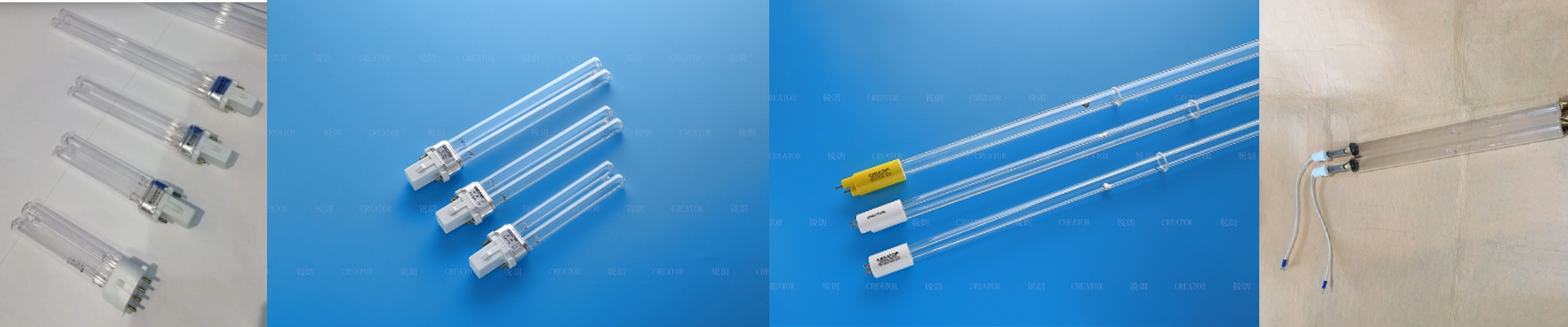
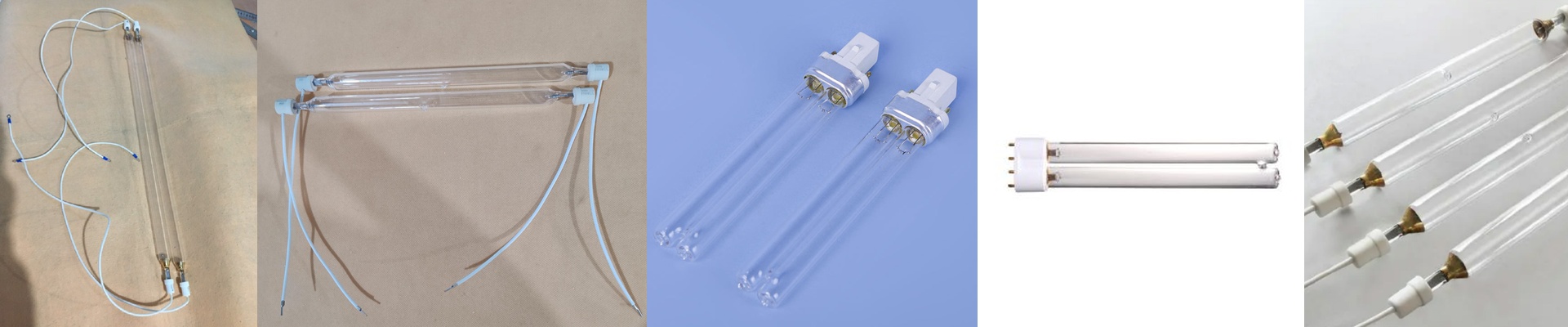
We spent some time hitting the road and visiting 3,000 printing plants. We wanted to see where things actually go wrong on the shop floor. What we found was a pattern. Most shops are fighting the same two ghosts: ink that won’t cure consistently and lamps that burn out way too early. For 2026, we’re changing how we build our high-pressure mercury lamps. We’re stopping the obsession with raw wattage. Instead, we’re focusing on two things that actually matter: keeping the light steady and managing the heat.
The nitty-gritty of the physics
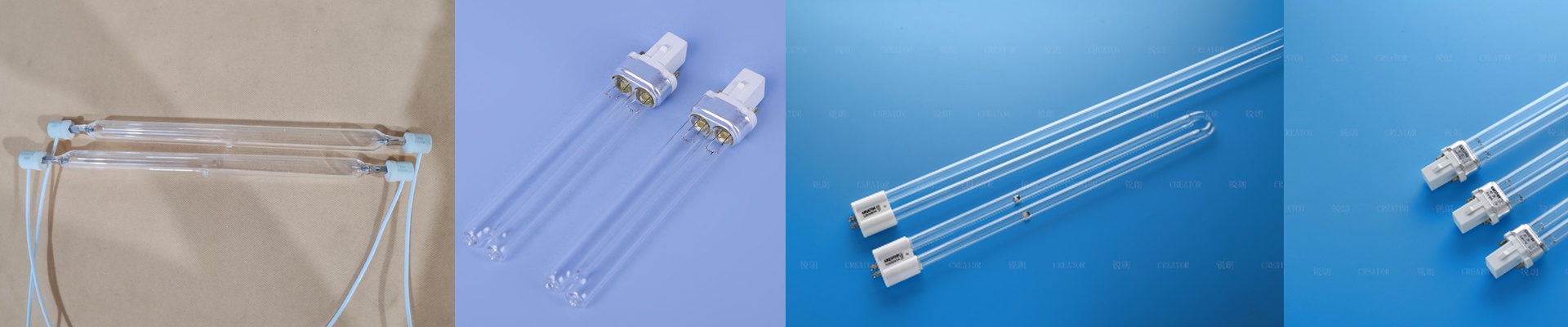
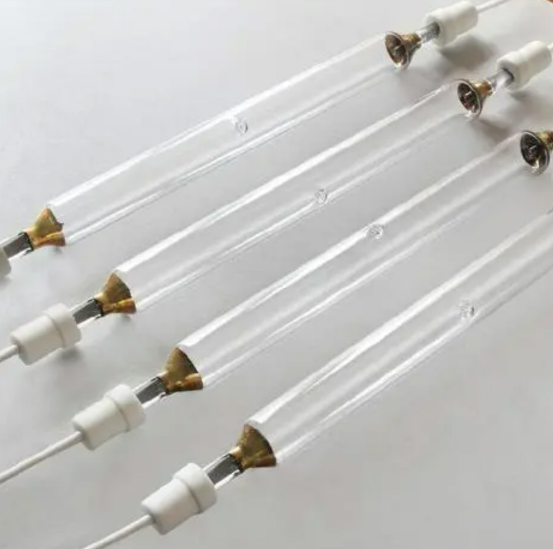
Here is how it works. We excite mercury vapor to get that broad spectrum of UV light—mostly UVC and UVB—that your inks need. But to get the fast cure speeds modern lines demand, you need a stable arc. If the arc wobbles, you get “end-loss,” which is just a fancy way of saying your light drops off right where you need it most, near the electrodes. To stop that, we’ve been obsessing over the quartz wall thickness. It’s a delicate balance. The walls have to be just right to handle the internal pressure without buckling under the heat.
The trade-offs nobody talks about
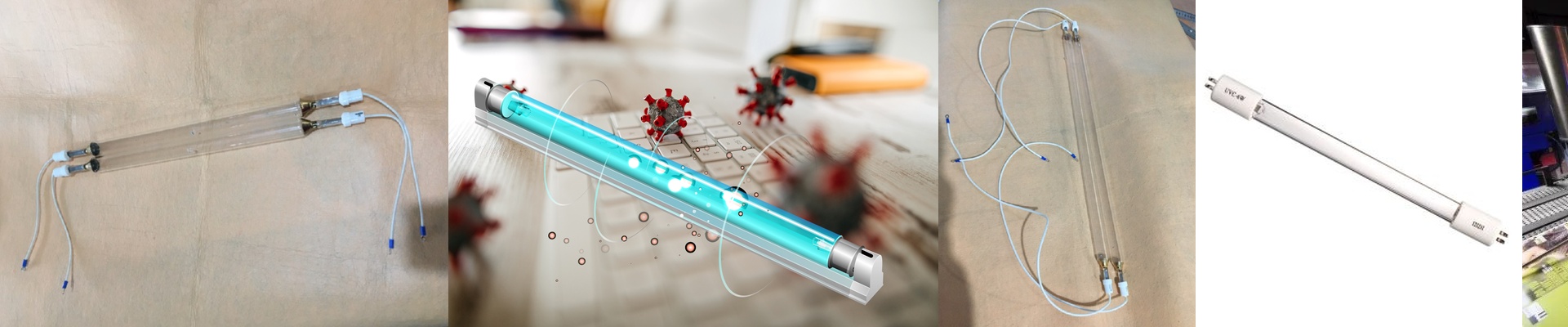
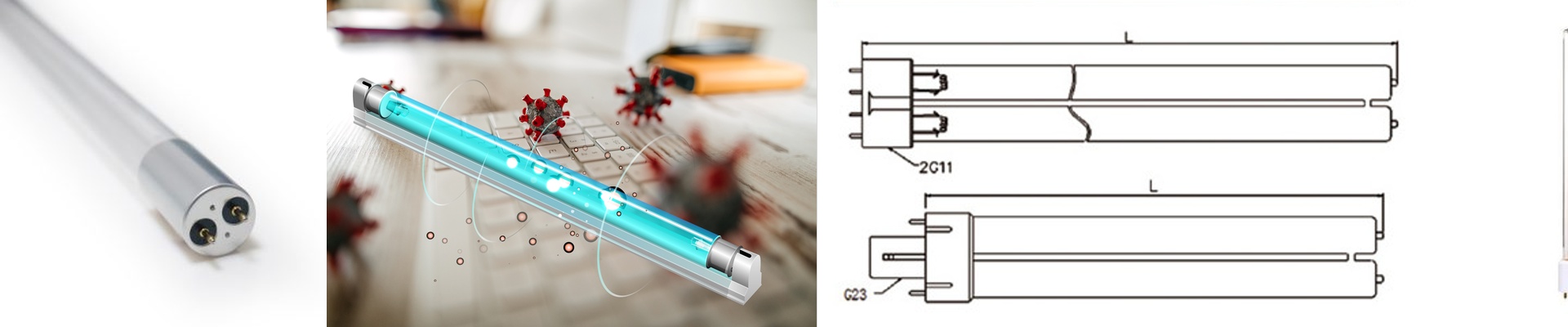
We use high-purity synthetic quartz because it lets the most UV light through. Simple as that. But here’s the catch. When you crank up the wattage to speed up your line, the heat spikes. It’s a trade-off. If your cooling blowers can’t keep up with that extra heat, your reflectors will warp and your lamp life will plummet. We also took a hard look at the connectors. We standardized them to ensure a tight, snug fit. In a shop with constant vibration, a loose socket causes arcing, and arcing kills lamps.
Making it work on your floor
These are designed as drop-in replacements. They should slide right into most industrial systems without a fuss. But please, be careful with your ballast settings. Match the voltage and wattage exactly. If you over-drive the lamp, you’ll be replacing it in a few weeks. If you under-drive it? Your ink stays tacky, and your customers aren’t happy. One last tip:Clean your reflectors. It sounds basic, but a thin layer of dust is a silent killer. It blocks the UV output, which forces the lamp to run hotter to compensate. Keep them shiny, and your lamps will last much longer.