Introduction
Here’s the thing: when we build our mercury UV lamp systems for industrial curing, it all comes down to one critical piece—the reflector. That reflector? It’s the heart of the whole setup. Its shape dictates the path of the light, deciding exactly how much UV energy lands where it needs to. The goal is straightforward: get more power to the target, and pack that energy in tight, all without just throwing more wattage at the problem.
The Nitty-Gritty: Power, Voltage, and Fit
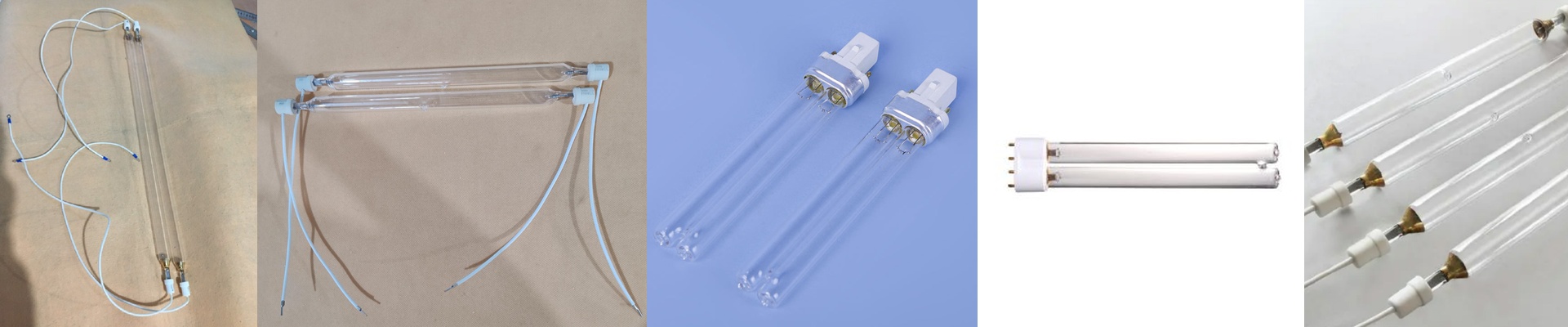
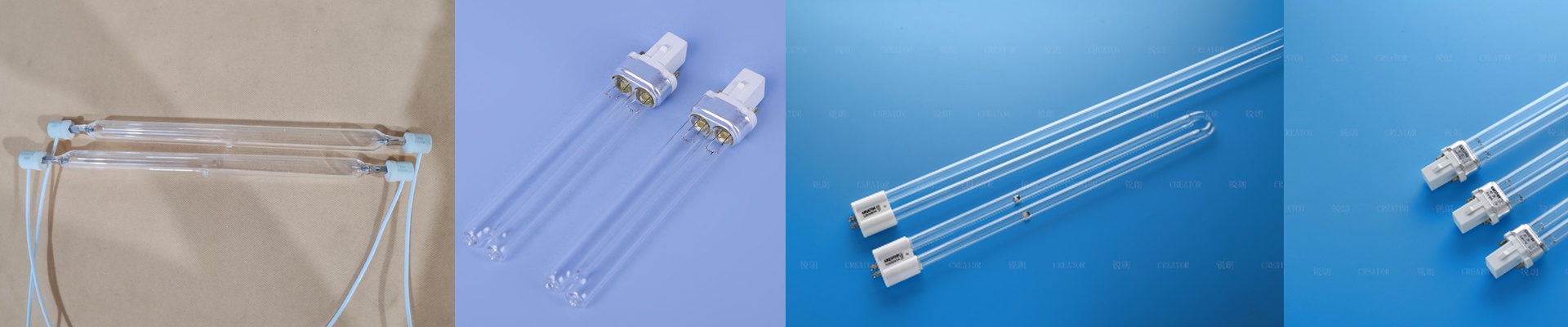
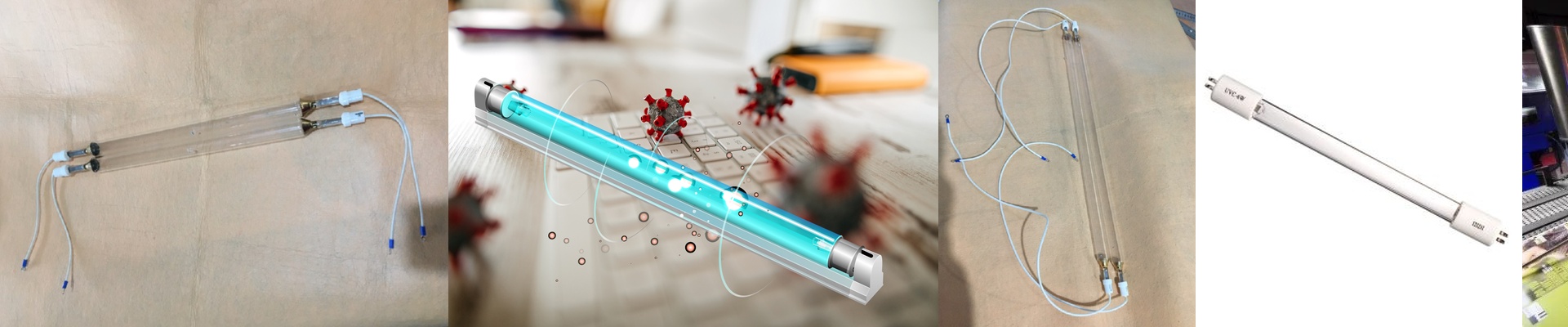
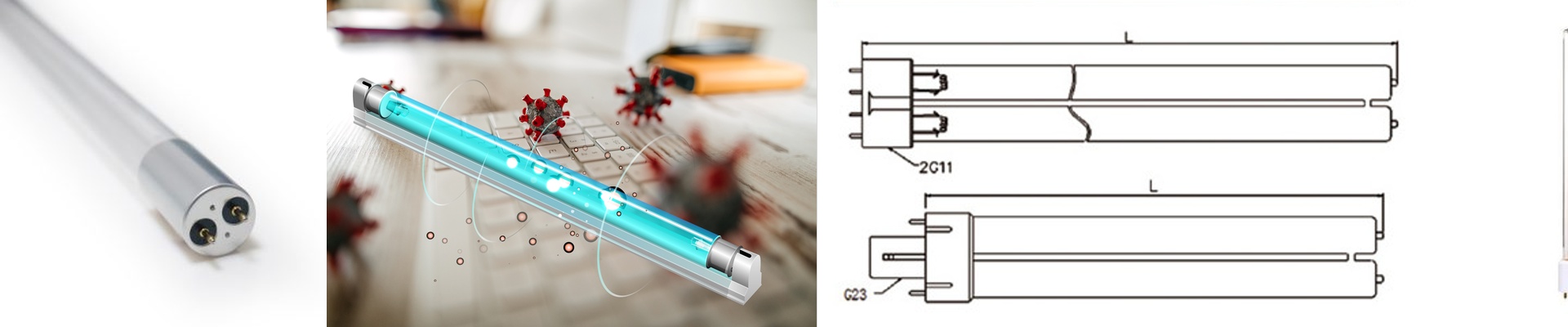
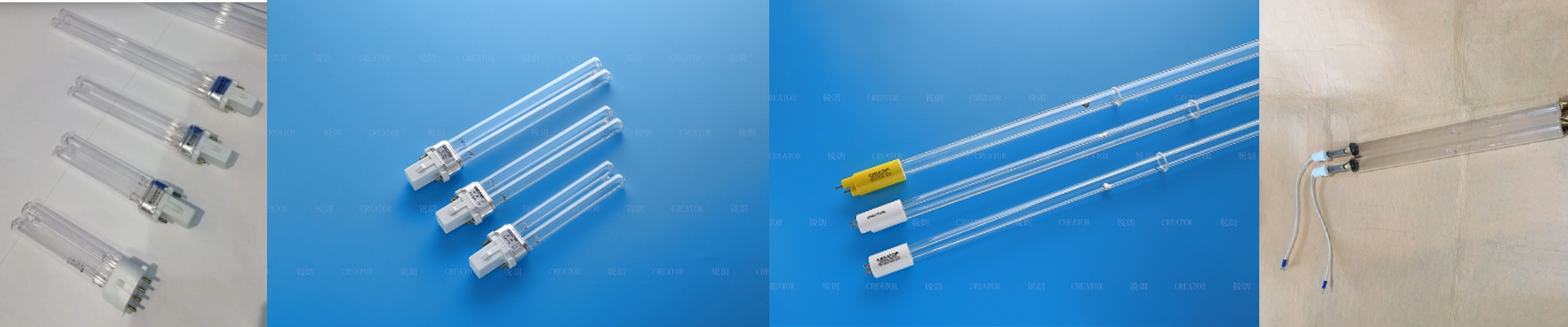
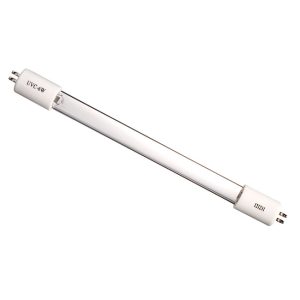
Our lamp tube is basically a precision-engineered mercury discharge device. We size it to a specific length and wattage, and that voltage rating is carefully matched to the arc length inside. Why does that matter? Because it keeps the lamp firing up smoothly and delivering consistent output. No flicker. No drops in intensity. Just rock-solid UV, ready for those high-speed processes. And the physical fit? That’s non-negotiable. You need a lamp that slides right into your existing fixture without a fight. We design the tube length and diameter to match standard holders, so swapping one out is a simple drop-in job. No re-engineering. No headaches.
Where the Magic Happens: Reflector Design
This is where the physics really gets interesting. We shape the reflector with a precise geometry—often elliptical or parabolic—to focus the UV output. This isn’t just a shiny shell. It’s a calculated optical surface, designed to straighten and direct the light into one tight beam. That focused beam means less stray radiation and more energy packed into the exact spot you’re curing. The payoff? A concentrated, even UV beam that delivers higher spot density. That translates to faster line speeds and less wasted energy.
Real-World Results
In the field—like when you’re curing photopolymers or coatings—the lamp and reflector combo is the workhorse. That focused beam gives you the intensity you need to blast through thick layers or keep up with a fast-moving line. But there’s one thing to keep in mind: heat. High-density UV output generates a lot of it. Your cooling system has to be up to the task. When your cooling is on point, the system runs consistently and lasts. You get a stable process, day in and day out, with results you can count on.