How We Built UV Lamps That Actually Protect Dental Clinics
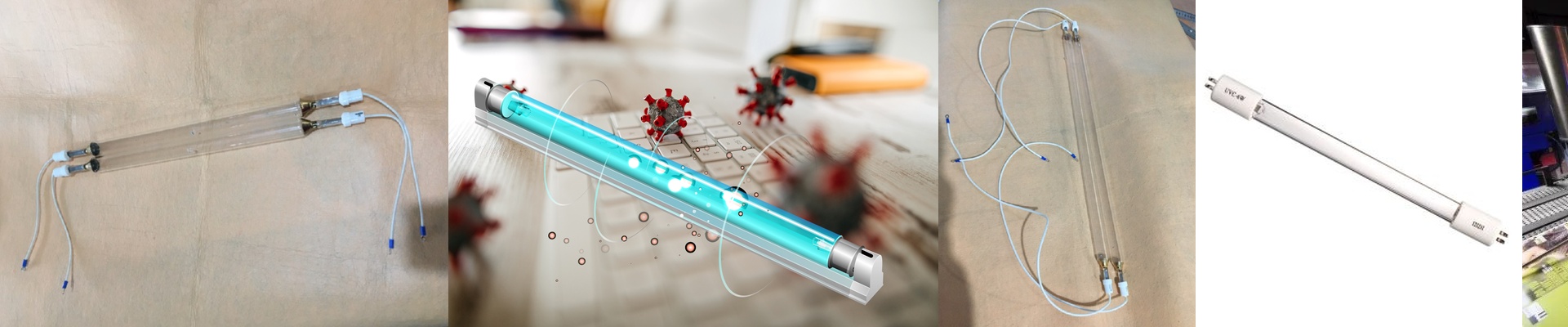
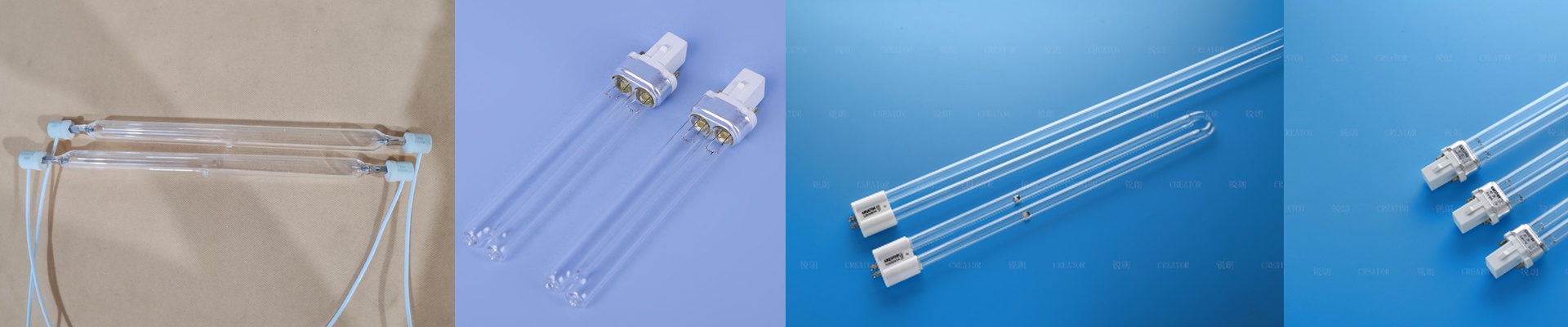
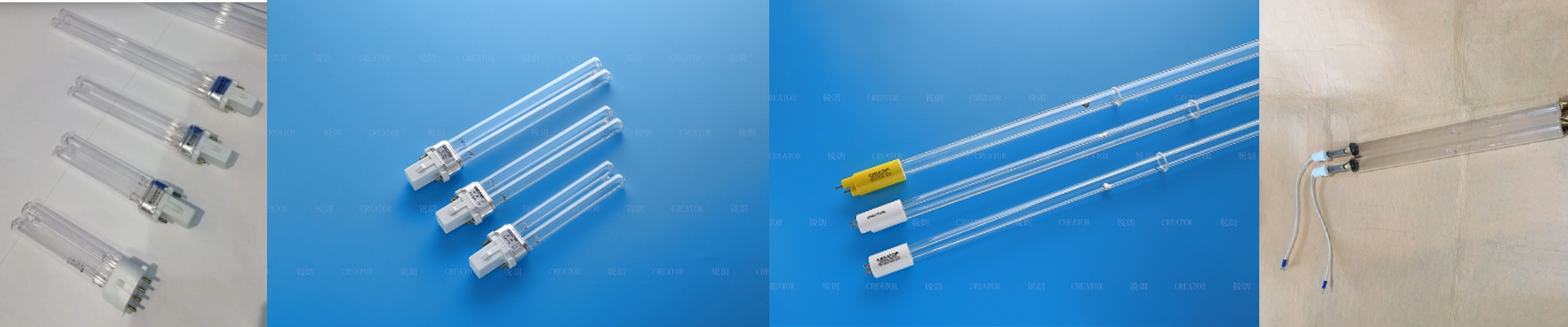
Let’s talk about what really matters in a dental clinic: keeping patients and staff safe from cross-infection. That’s why we don’t just build UV lamps for sterilization boxes—we build them to solve a very real, very urgent problem on the shop floor. Because in a dental office, every instrument tray, every handpiece, every surface is a potential risk. And standard bulbs? They just don’t cut it. You need something engineered for the job. A lamp that delivers steady, powerful UV light, day after day, inside those tight sterilization chambers.
Getting the Power Right: It’s All About the Fit
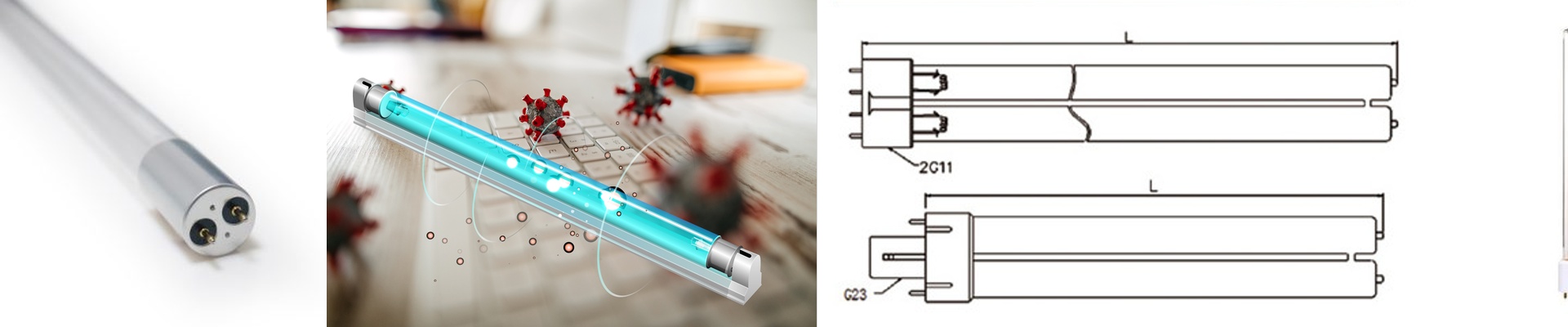
When we design these lamps, we obsess over two things: intensity and consistency. We set up the voltage specifically so the lamp can pack enough punch into a small space. That way, the UV light doesn’t just skim the surface—it gets deep into biofilms and wipes out pathogens where they hide. And the length? We tailor it to match the chamber exactly. No cold spots. No guesswork. Every instrument gets fully exposed, every single time. You flip it on, and it hits the right intensity right away.
Built to Last: Quartz, Coating, and Solid Connections
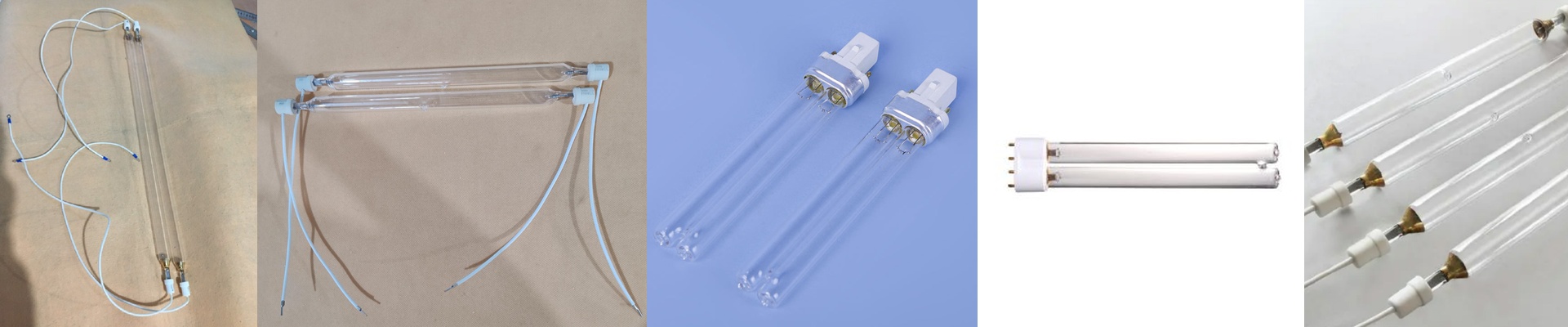
These lamps go through a lot. Constant heating, cooling, handling. So we use high-purity quartz envelopes because they can handle the thermal stress without cracking. Inside, a special coating keeps the UV output stable over the life of the lamp. No annoying drop-off that could leave microbes alive. And the connector—usually an R7s—is made for quick swaps and solid contact. It takes the daily grind of loading, unloading, and cleaning without arcing or coming loose. That means it’s a true drop-in replacement. No fiddling. No downtime. Just swap it and keep moving.
The Payoff: Fast, Precise Sterilization You Can Rely On
In a dental clinic, the sterilization cycle has to be fast and dependable. Our customized UV lamps deliver the intensity needed to hit disinfection targets within standard cycle times. And because the output is concentrated, shadowing is reduced—even on instruments with tricky shapes. Every angle gets covered. Now, with that kind of power, you do need proper chamber ventilation and spacing. We’re upfront about that. Plan your cooling and room accordingly. But here’s the payoff: a sterilization process you can trust. You reduce the risk of cross-infection without slowing down the workflow. That’s the peace of mind we set out to build.