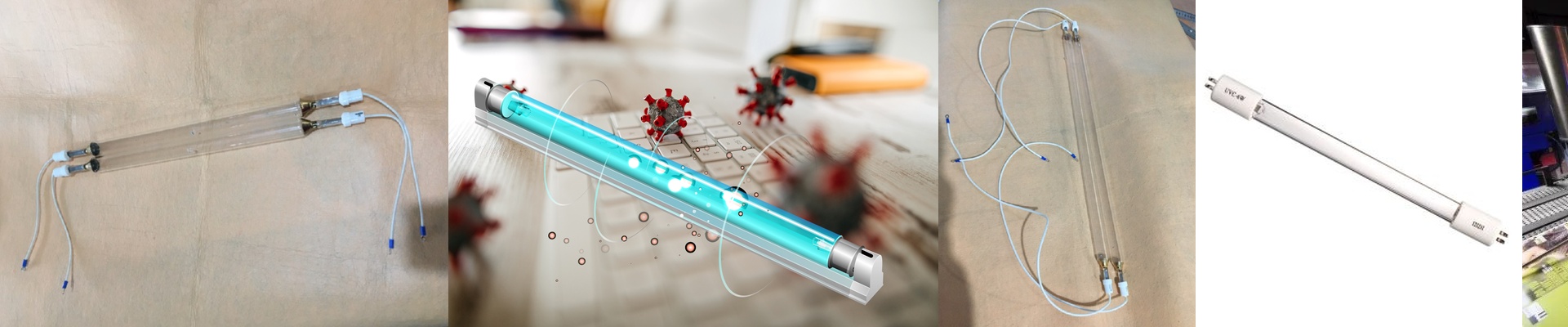
On the press floor, you know the moment the lamp power is off the moment the ink stays tacky. Pinholes show up. The reject pile grows. Matching UV lamp power to your press and the ink you’re running isn’t a guess—it’s a straight-up calculation.
What matters under the hood
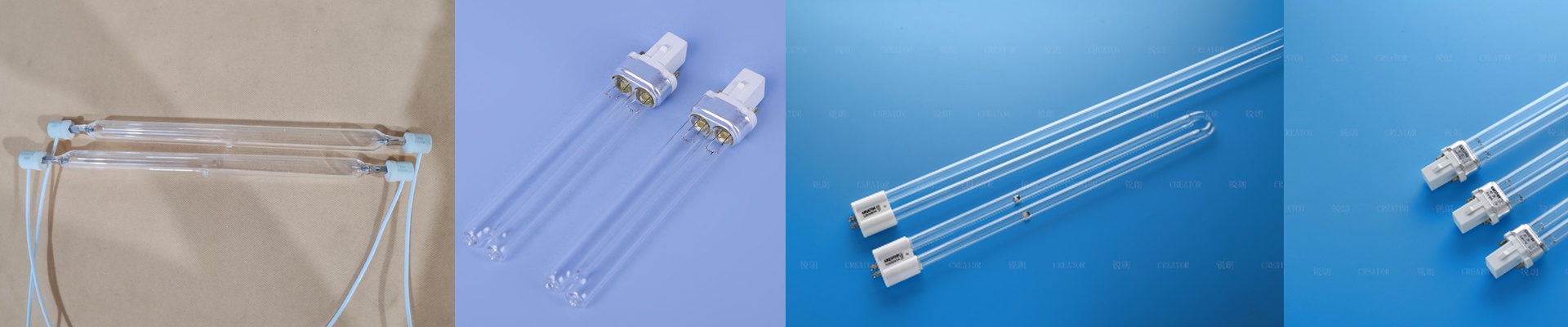
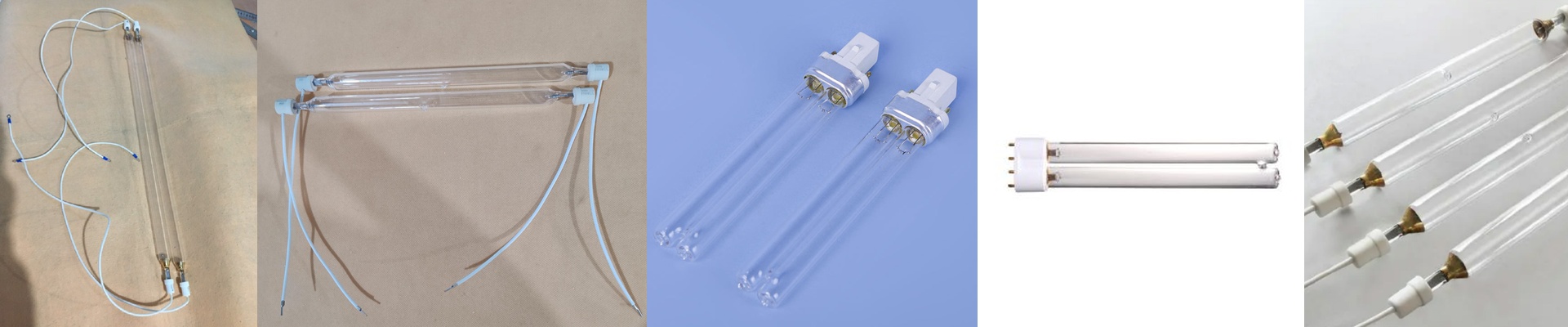
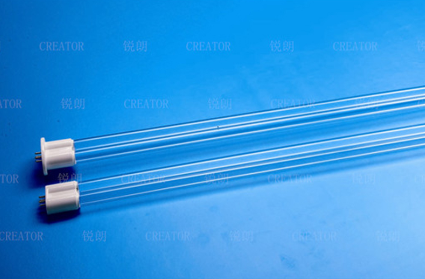
We spec high-temperature wire for UV lamps because the thermal load inside a high-pressure mercury vapor lamp system is brutal. The conductor geometry and insulation rating keep voltage drop in check, while the quartz body and internal leads stay stable at sustained operating temperatures. That’s what gives you consistent ignition and a steady arc—and that, in turn, keeps spectral output and peak irradiance where they need to be. With mercury lamps, the usable energy is at 365 nm and 385 nm. Your ink’s photoinitiator package picks which wavelength actually drives cross-linking. Measure curing energy density in mJ/cm² at the substrate plane, not at the lamp window. And a reflector with a stable dichroic coating keeps the delivered dose repeatable, job after job.
Why this matters on your press
When you set up a UV lamp for your specific press—offset, flexo, or screen—you line up the lamp’s electrical data, reflector geometry, and dwell distance with the dose the ink needs. With a stable lamp system, you can push line speeds higher without under-cure, and keep dot gain and color density within tolerance. Energy use drops because the lamp isn’t constantly chasing a marginal cure. Rework falls because spectral consistency keeps the cure profile repeatable.
The details that keep you out of trouble
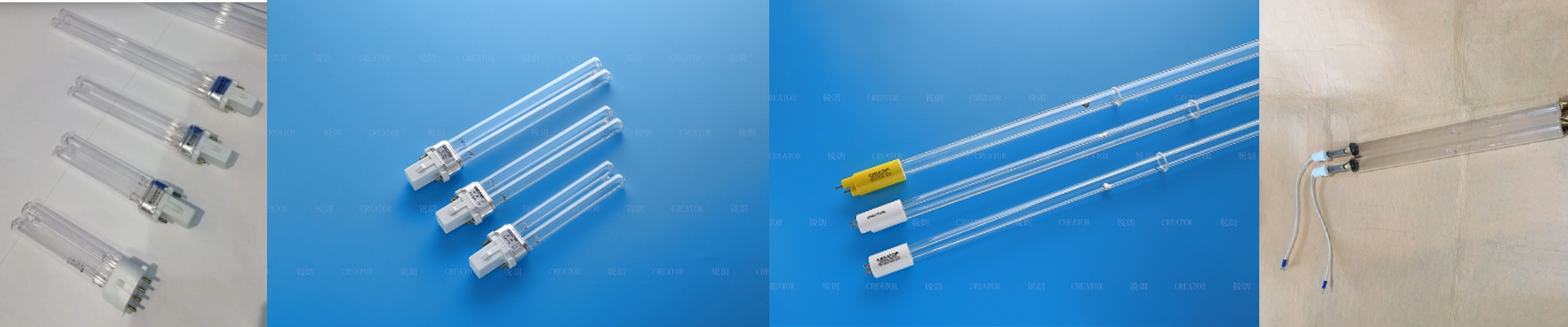
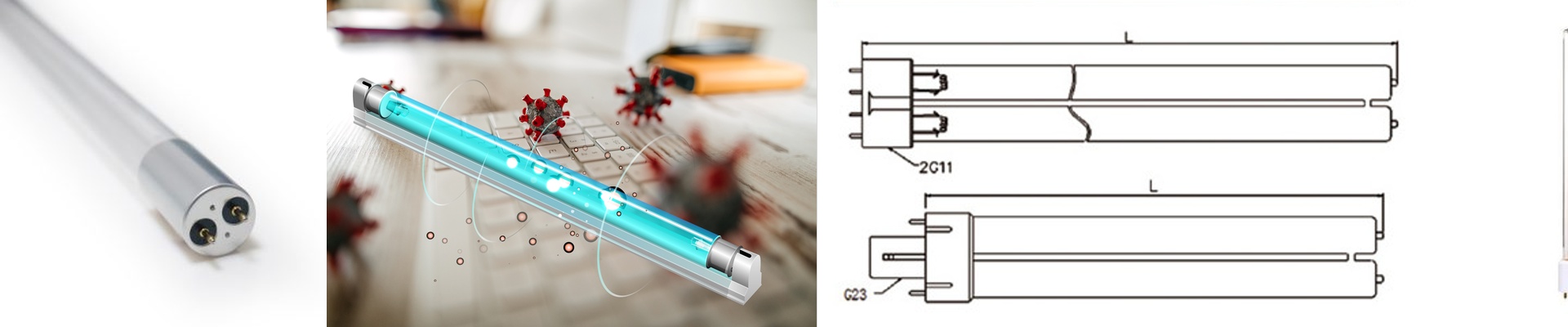
Match lamp length, arc gap, and connector type to the fixture. Check the power supply’s open-circuit voltage and current limit against the lamp’s rated ignition and operating points. High-temperature wiring helps, but thermal management still matters. Keep airflow as designed, and don’t reroute coolant lines in a way that changes lamp temperature. Plan replacements by hours and output decay, not by the calendar. And use a calibrated radiometer to verify dose at the web.