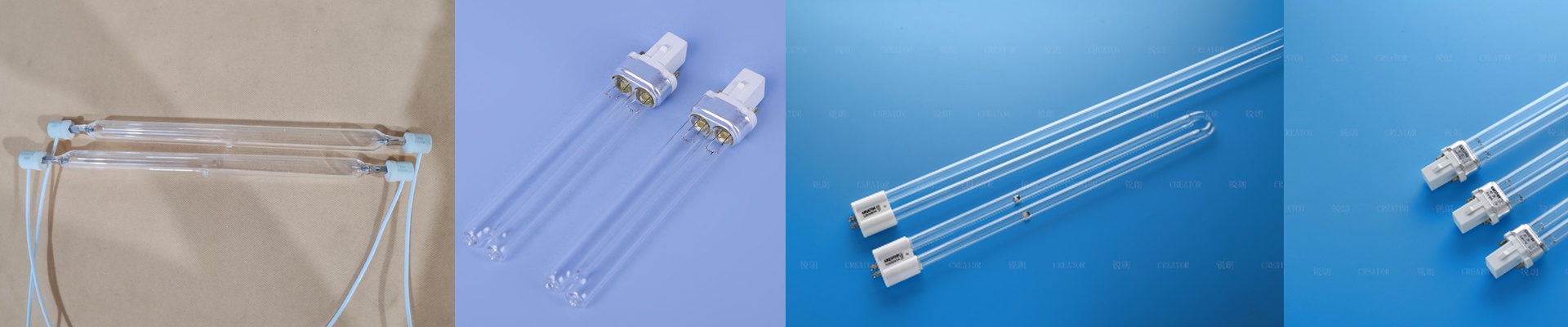
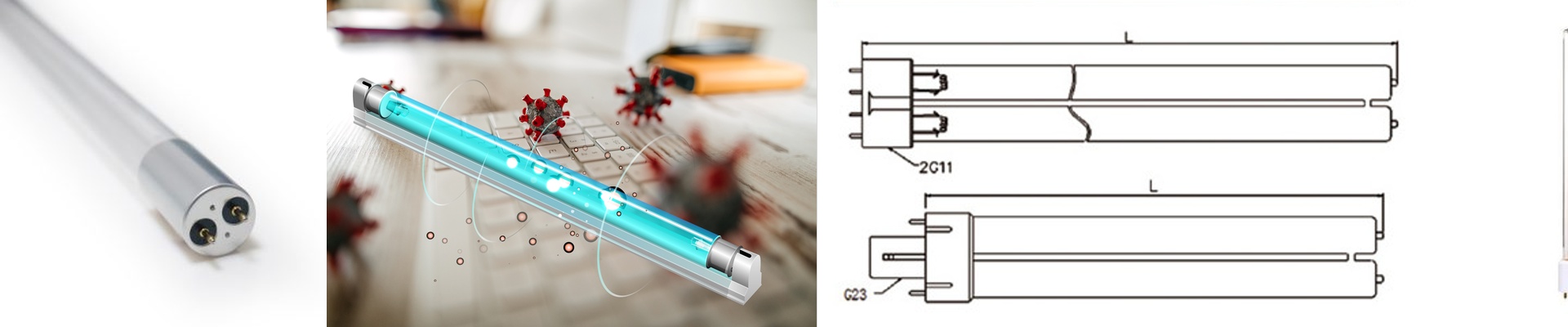
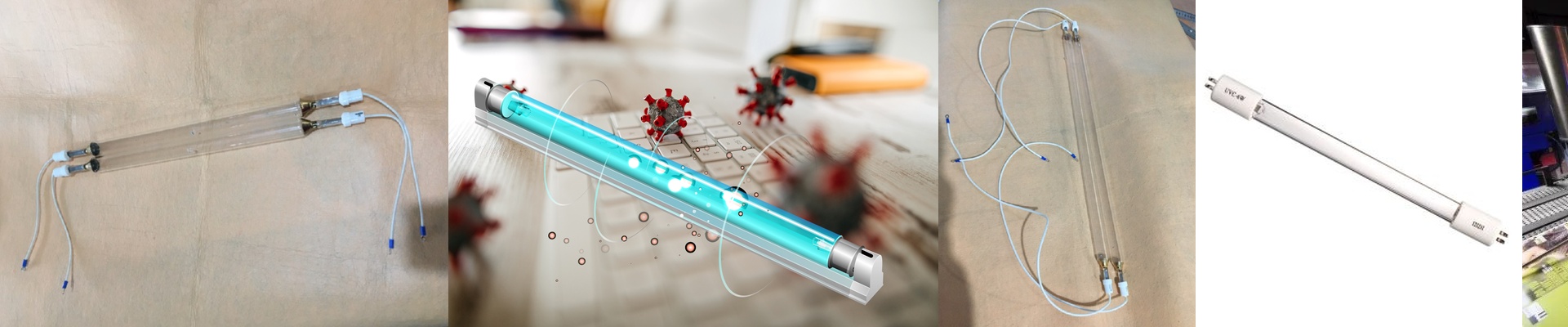
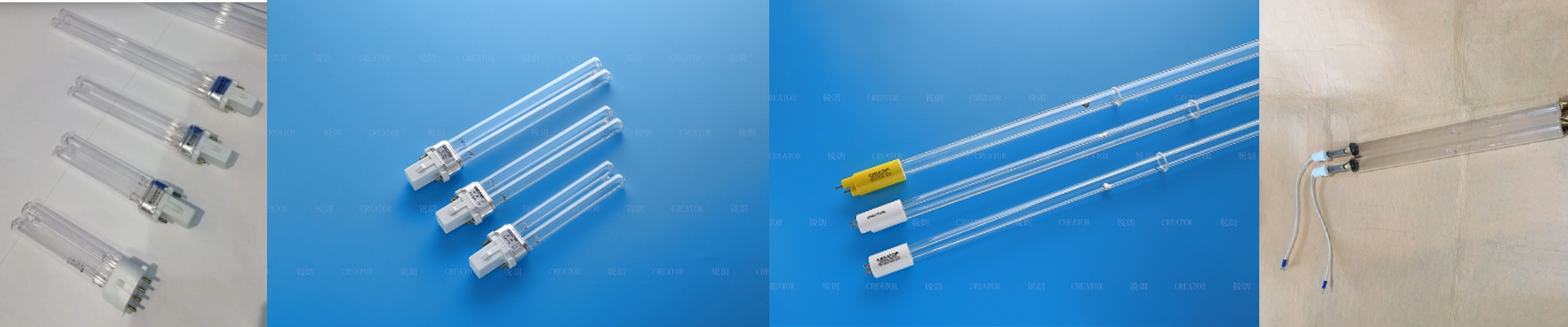
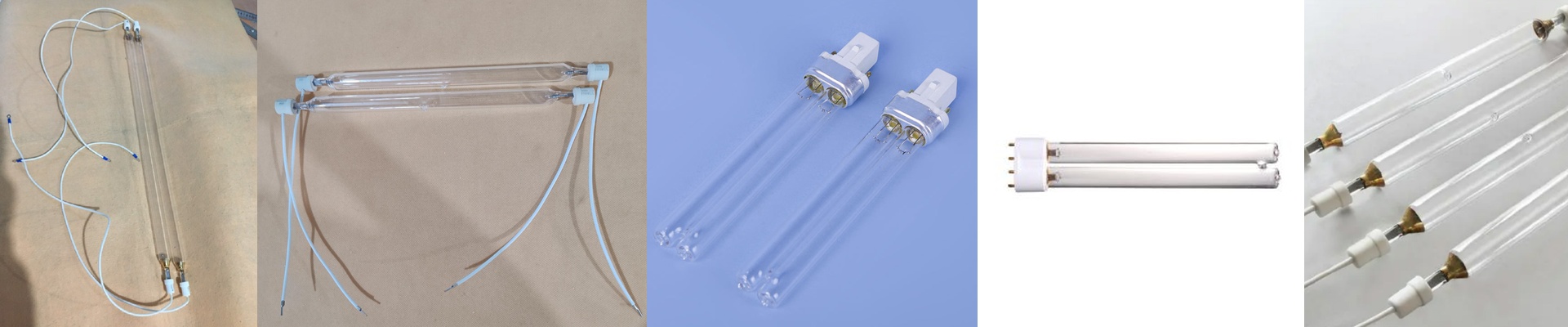
On the floor, nobody’s debating theory. It’s about keeping the line moving, getting ink to stick, and not having to rework everything. Short-wave UV or LED for garment curing? The call comes down to spectral control, energy density, and what your operation can actually run with. What matters under the hood Short-wave UV—usually 365nm from high-pressure mercury vapor lamps—drives deep into thick ink layers and cures the film from the bottom up. Forget wattage as a shortcut; peak irradiance at the substrate is what counts. Reflectors with dichroic coatings shape the spectral output and keep heat off the fabric. LED UV gives you a narrow-band output—365nm, 385nm, or 405nm—with stable irradiance across the emitters. Instant on/off, repeatable dose, and the ability to match the photoinitiator absorption precisely. Measure curing as energy density in mJ/cm² at the surface and at the bottom of the ink. Full cross-linking needs enough dose at the deepest interface, not just a tack-free surface. Why it plays out this way With thick plastisol and specialty inks, short-wave UV often gets you through the full build, which cuts down on handling issues after cure. LED UV shines on thin, pigmented inks and high-speed runs where instant cure means you can stack immediately. LED also gives you faster cycle times, lower peak power draw, and longer source life—often 10,000+ hours with controlled output decay. Short-wave still wins on penetration, but it comes with higher energy use and more frequent lamp changes. The details that bite you LED systems need serious thermal management. Keep substrate temperature in check, or you’ll scorch thin fabrics. Mercury lamp systems should be ozone-free and have exhaust routed properly. **In 2026, UV lamp disposal rules tighten for mercury-bearing lamps.**LED eliminates mercury, which simplifies compliance, but confirm local requirements for recycling and end-of-life documentation. Match the wavelength to the ink chemistry, verify dose with a radiometer, and choose the source that fits your ink build, line speed, and compliance profile.