Rethinking UV Curing: How High-Output Halogen Lamps Keep Modern Plastic Lines Humming
We built this UV lamp for one simple reason: to keep up with the pace—and the precision—that modern plastic curing lines demand. Forget the old idea that UV is just about drying something off. In an Industry 4.0 setup, the lamp is more than a heat source. It’s a control point, right in the middle of your material science. It needs to deliver heat you can count on, snap to new settings fast, and fit neatly into automated cells. That’s how we treat light energy here—as a real process variable, not just a fancy heater.
Power, Voltage, and Size—Without the Fluff
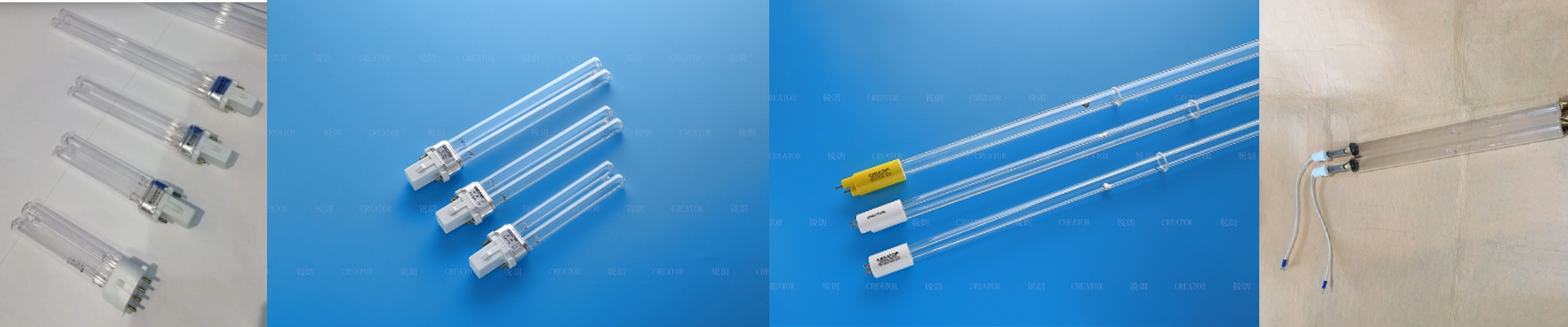
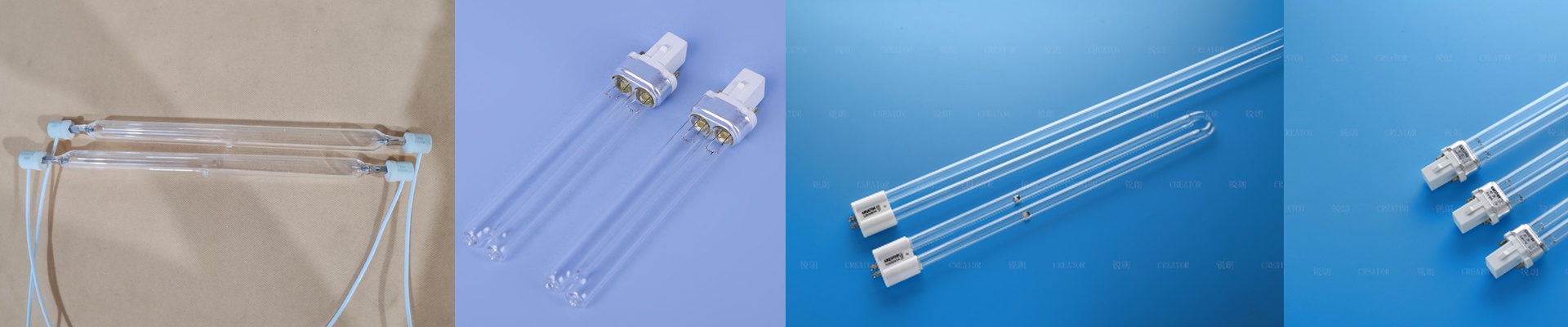
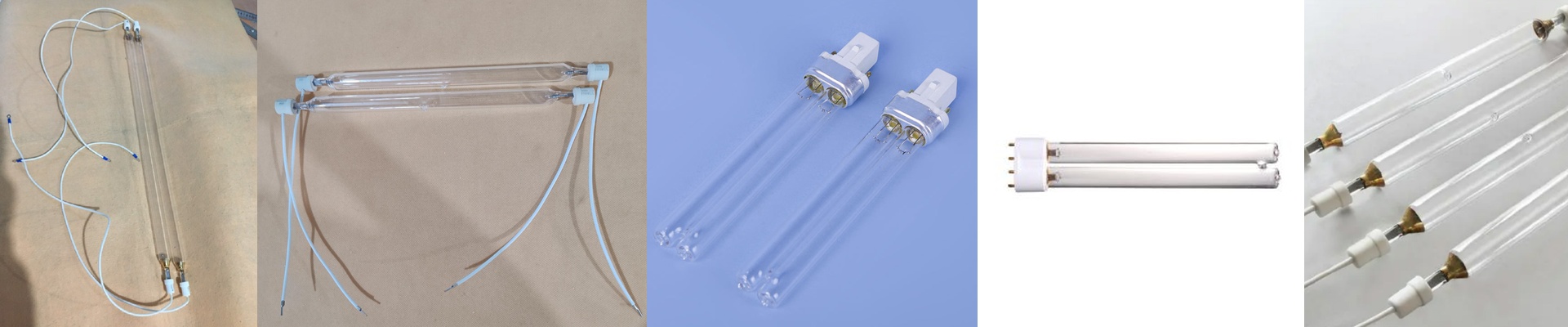
This is a high-output halogen UV lamp, engineered for demanding thermal profiles. It runs on 400V, a choice that lets us pack serious wattage into a compact package. Higher voltage means higher power with lower current on the line. Less current stress on the conductors. Control cabinets that stay cooler. Practical stuff that keeps your plant running smoothly. The lamp is 300mm long and rated at 2500W—and those numbers aren’t random. The size concentrates the energy where you need it most. You get intense heat density in a tight zone, without wasting energy on the surrounding area. Perfect for fast-cycle curing and localized heating when the line never stops.
Inside the Build: Halogen, Quartz, Coating, and the R7s Base
At the heart is a halogen element inside a quartz envelope. Quartz handles high temperatures and stays steady, even when you’re cycling heat on and off quickly. And the halogen cycle helps keep the element clean, so output stays consistent over time. We also apply a specialized coating to shape the spectral output. It steers the energy toward what common plastics actually absorb, so more of the power does useful work instead of just making heat. Then there’s the R7s connector. It’s the practical pick for this form factor—secure, two-contact, and easy to wire. Swap it in, plug it in, and you’re back up. It’s designed to be a straight drop-in replacement on standard fixtures.
On the Line: Curing Plastics Without the Headache
When it’s installed, this setup is built for uptime. The concentrated energy speeds up curing on coated plastics and supports rapid heating for forming and finishing steps. And when maintenance comes around, the R7s base makes it simple. Swap the tube, re-lamp, and get the machine back online—no fuss. Now, the trade-off: 2500W at 400V generates serious heat density. So your machine’s cooling and airflow need to be properly spec’d to keep the area around the lamp head at a manageable temperature. When the cooling is matched up, you get stable curing, cycle times that don’t drift, and fewer rejects. That’s exactly what Industry 4.0 production needs—quiet confidence, shift after shift.