Introduction
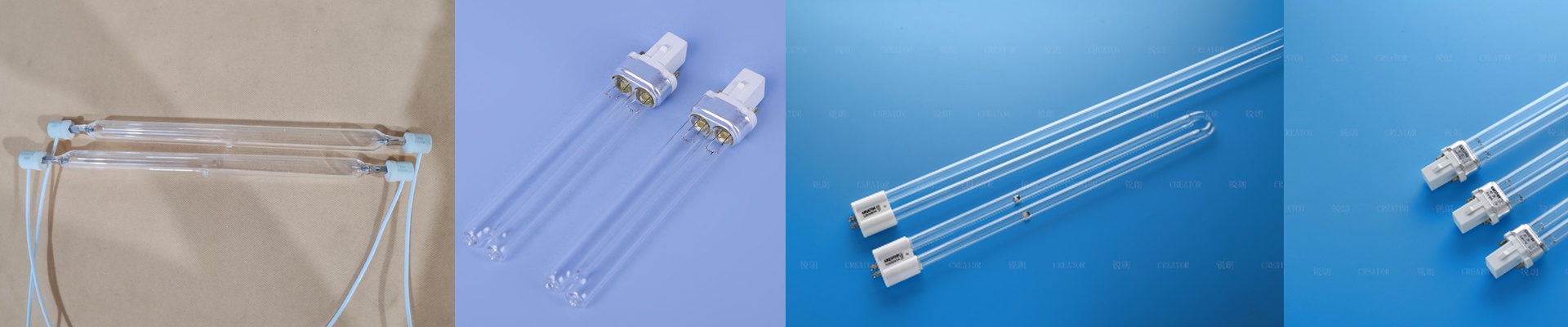
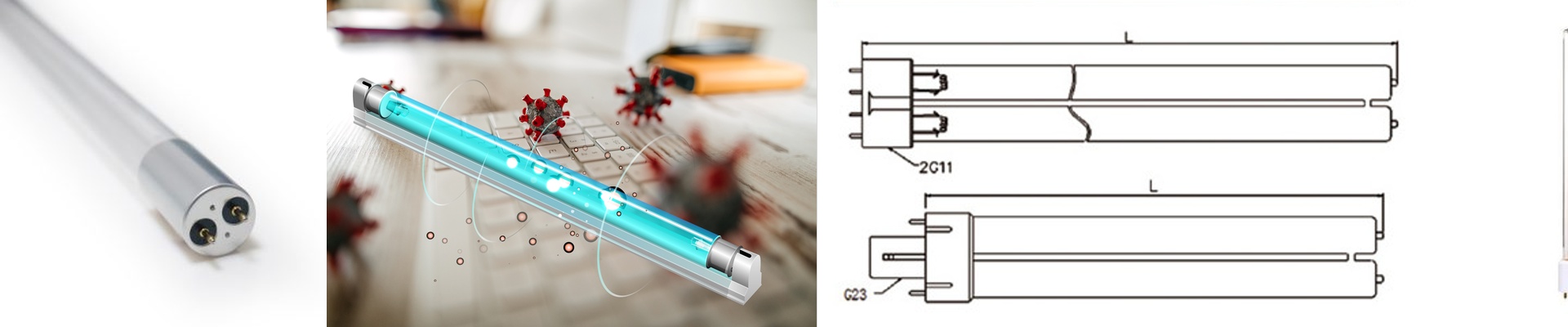
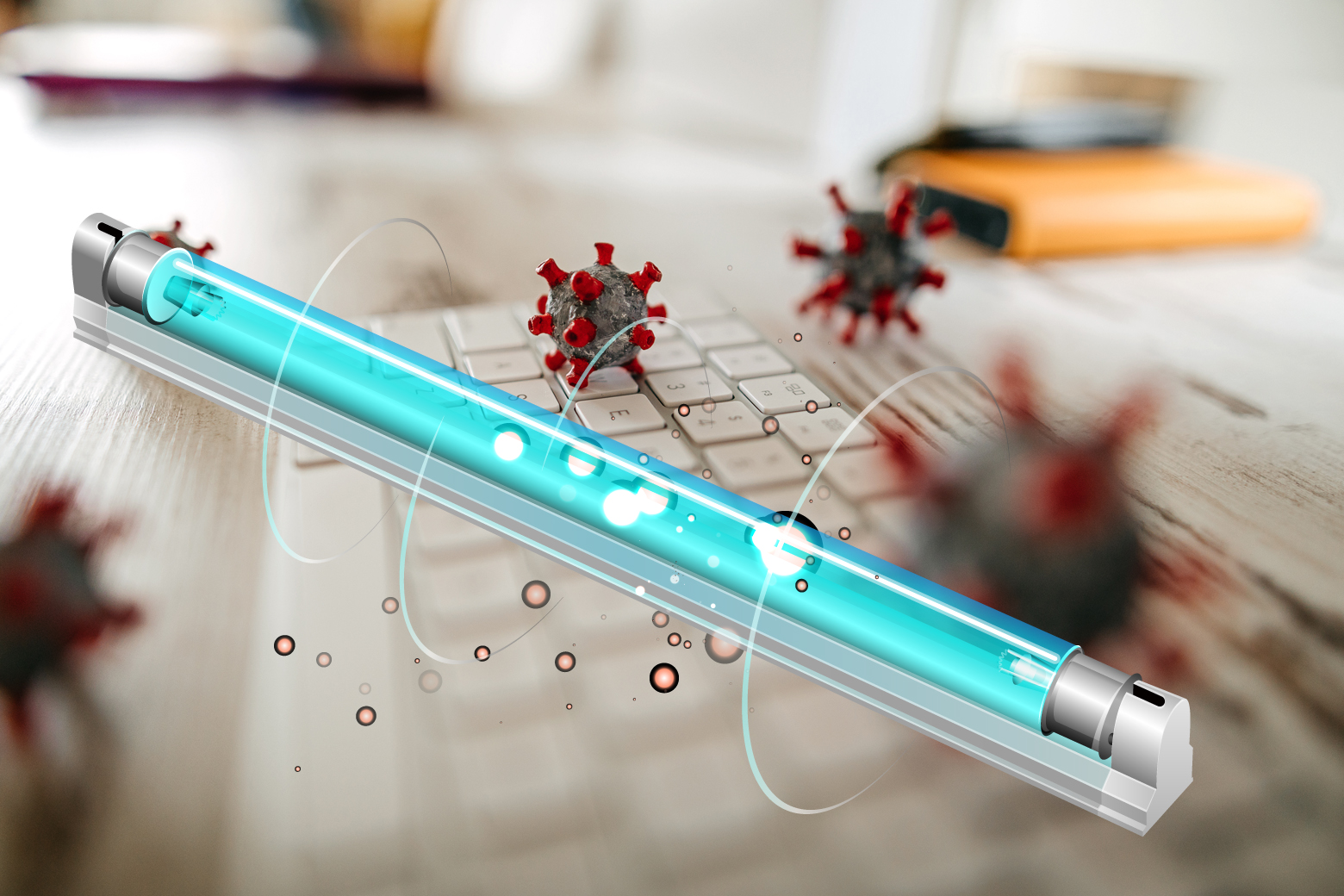
When you’re building pet products, adding a UVC lamp isn’t just another box to check. It’s a serious design decision. And that’s exactly why we built our sterilization units the way we did. We made them to slide right into your existing production line—no fuss, no redesign needed. The whole point? Give you a disinfection powerhouse that’s rock-solid and hygienic, without making your assembly process a headache.
Let’s Talk Specs: Power and Size
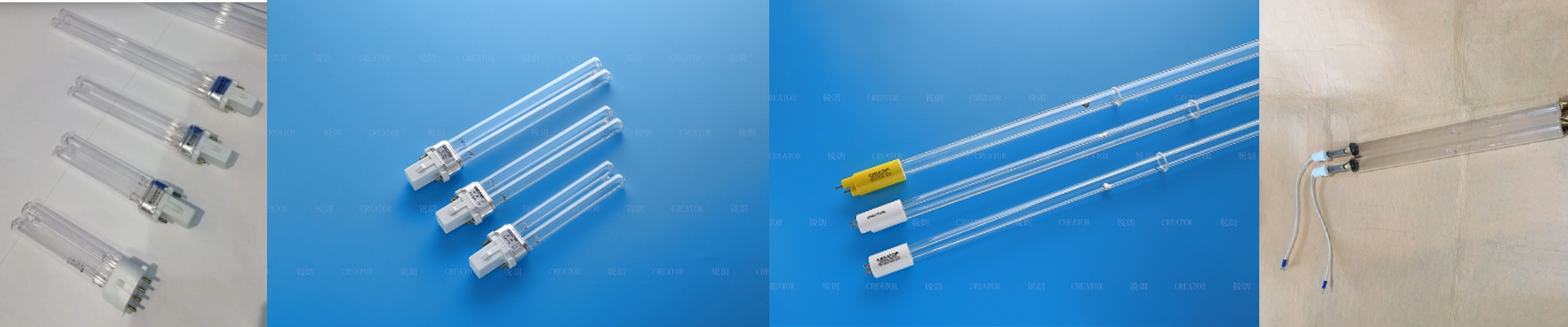
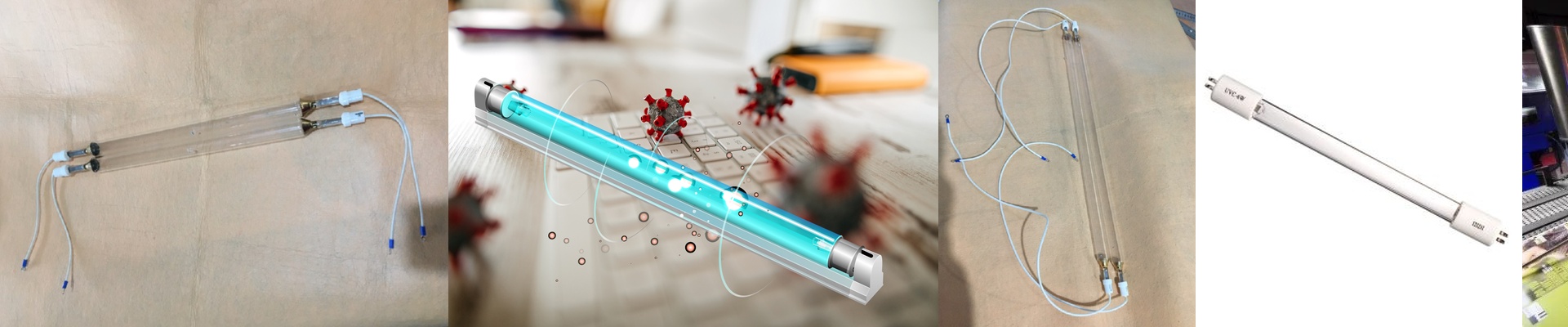
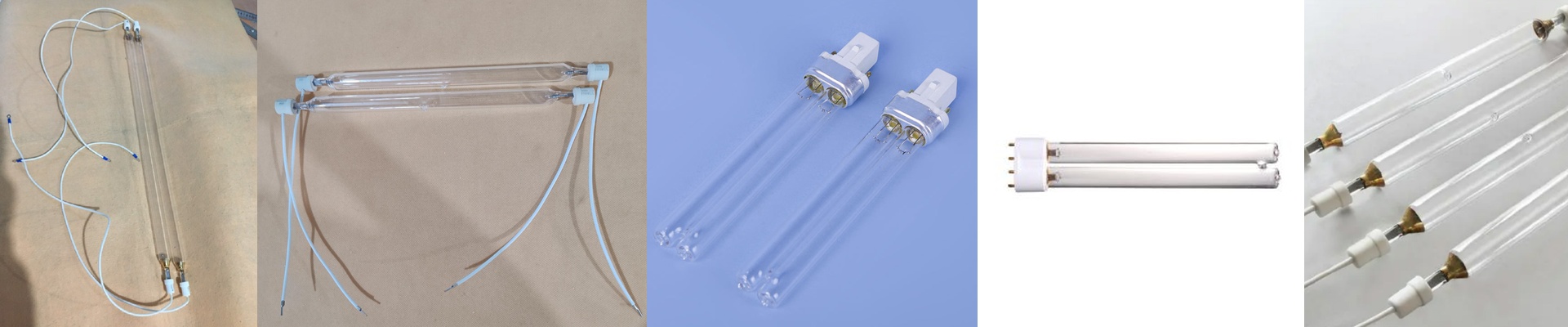
We designed these lamps to fit the real-world spaces you already work with. Take the power, for example. These units run on a 400V high-voltage input. That’s not just a number on a sheet—it’s what gives the lamp the oomph to strike instantly and hold a steady arc, even when the factory voltage dips and jumps. And the size? The tube is typically 300mm long. Why? Because that’s the sweet spot that lines up with standard sterilization chambers. It keeps your footprint tight, predictable, and easy to work with.
The Inside Story: How It’s Built to Last
The magic happens in the details. The quartz glass body is coated to focus that 254nm wavelength—the one that really knocks out germs—while filtering out the extra light you don’t need. This coating isn’t just for show. It protects the internals and keeps the lamp tough enough to handle repeated heating and cooling, day after day. Then there’s the R7s connector. It’s the workhorse of the setup, giving you a solid, bi-pin connection that handles high current without sparking. In other words, swapping this lamp in is straightforward. It’s built to run strong, not burn out fast.
On the Floor: What It Feels Like to Use
Here’s what it looks like when this setup hits the shop floor. You get a ton of UVC power and heat density packed into a small space. That means you can disinfect pet toy molds, food bowls, and packaging quickly and thoroughly. It’s fast. Really fast. But there’s one thing to keep in mind. The 2500W power density cranks out a lot of heat. So your machine’s cooling system needs to be ready for that extra warmth. If you plan for it, you get a sterilization step you can count on—one that adds real, verifiable safety to your pet products.