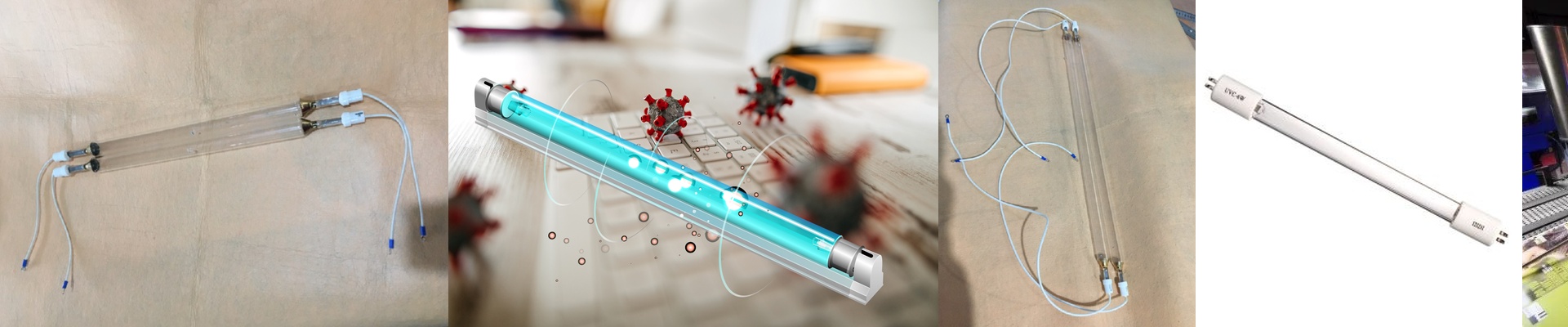
Why Most UV Bulbs Fail (And How We Fixed Them)
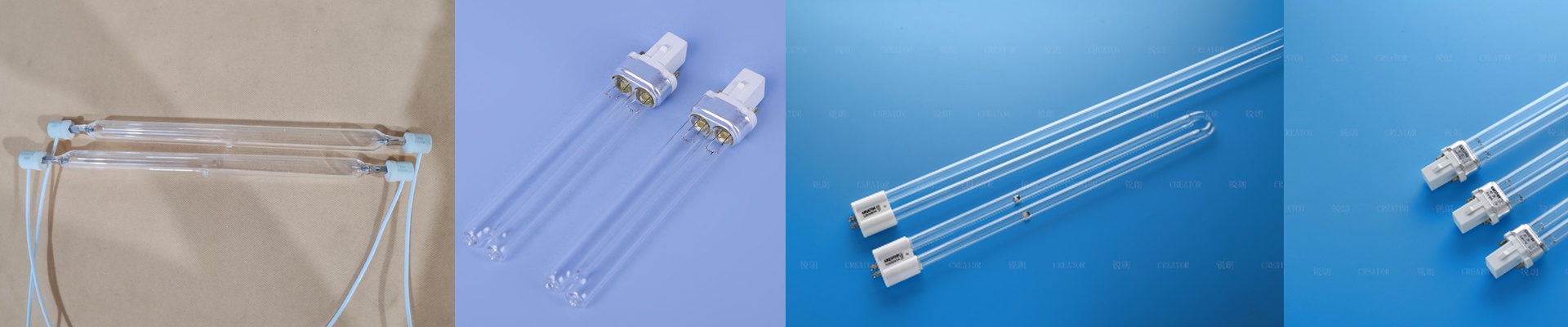
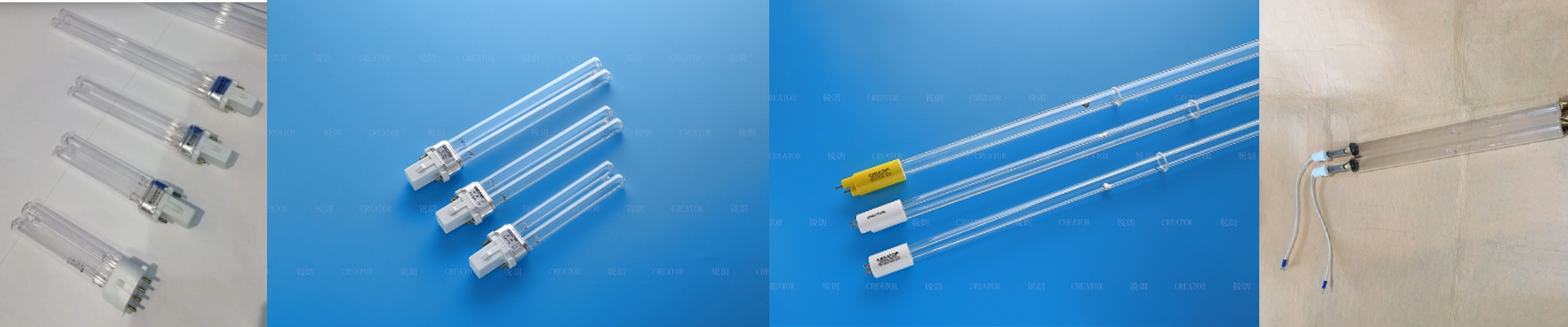
We didn’t design these bulbs in a lab. We spent time on the floor of 3,000 different printing plants, watching where things actually go wrong. Here’s the reality: most “off-the-shelf” bulbs just aren’t built for the chaos of a real production line. They can’t handle the constant shaking of a high-speed flexographic press or the brutal heat soak of an offset machine. We focused our design on one thing: keeping that arc stable and the UVC output high, without frying the electrodes.
The battle against “Dark Ends”
Industrial mercury bulbs are a balancing act of pressure and temperature. If the voltage dips or your ballast is a bad match, you get those dreaded “dark ends.” You know the feeling. You pull a sheet and the ink is smearing because the curing wasn’t complete. It’s a nightmare. It means rejected batches and wasted time. To stop that, we use high-purity quartz glass. It ensures the 254nm wavelength actually gets out of the bulb instead of getting trapped in the glass.
Heat, Hardware, and the Trade-off
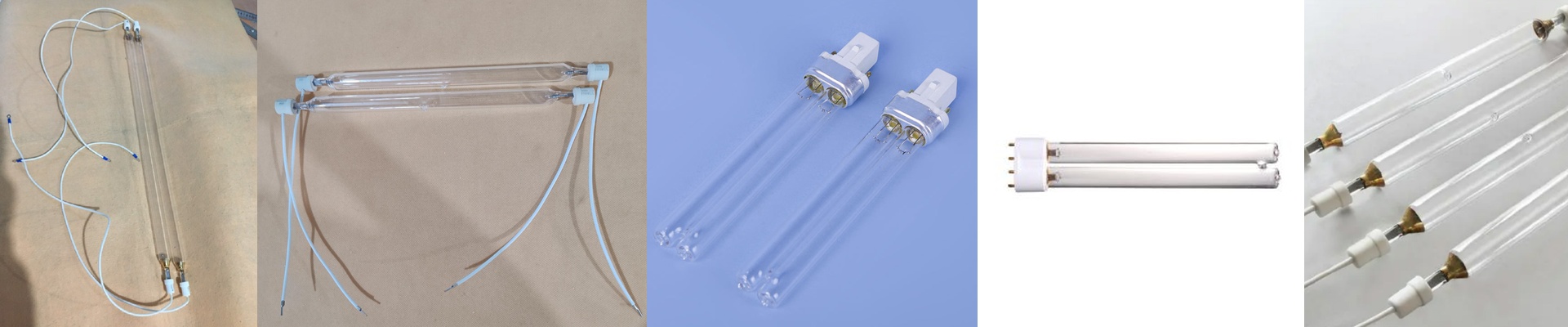
We use heavy-duty electrodes to keep the arc from wandering when you’re running at full tilt. It makes the bulbs last longer, but there’s a catch: they run hotter. You’ve got to have a cooling system—whether it’s forced air or water jackets—that can actually keep up. And a quick tip? Check your reflectors. If they’re pitted or covered in grime, that heat bounces straight back into the bulb. It’s a death sentence for the lamp. Keep them polished, and your bulbs will thank you.
Making it work on your floor
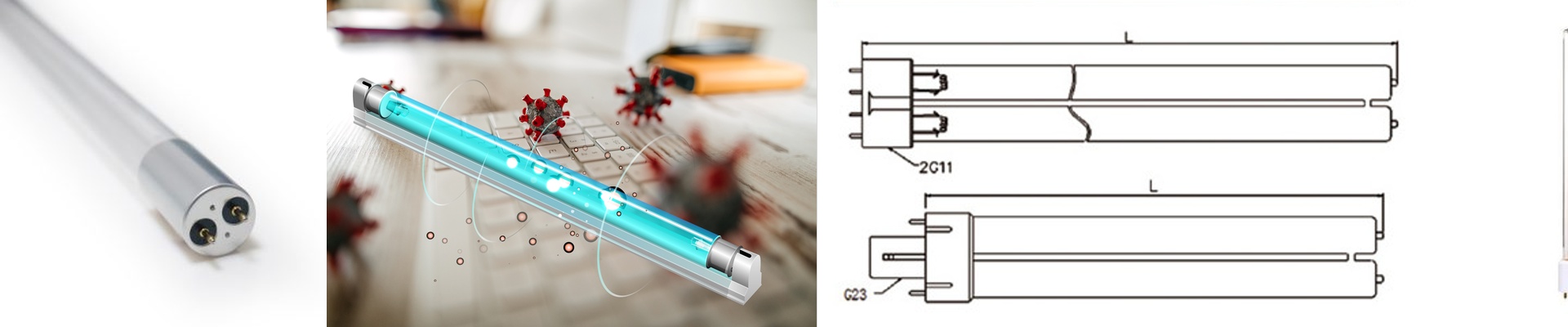
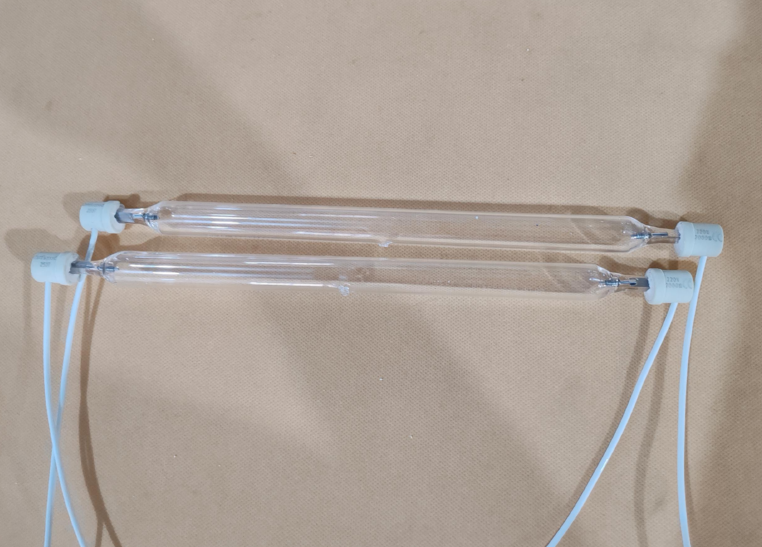
These are designed to be simple drop-in replacements for your existing UV arrays. No fuss. We’re obsessive about the tolerances on the end caps. Why? Because a loose fit creates resistance. That leads to arcing at the socket, and nobody wants a fire on the shop floor. We also sell these in wholesale lots. It sounds like a logistics thing, but it’s actually about performance. When every bulb in a curing bank has the same aging profile, your line speed stays consistent across the entire web. No surprises. Just a smooth run.