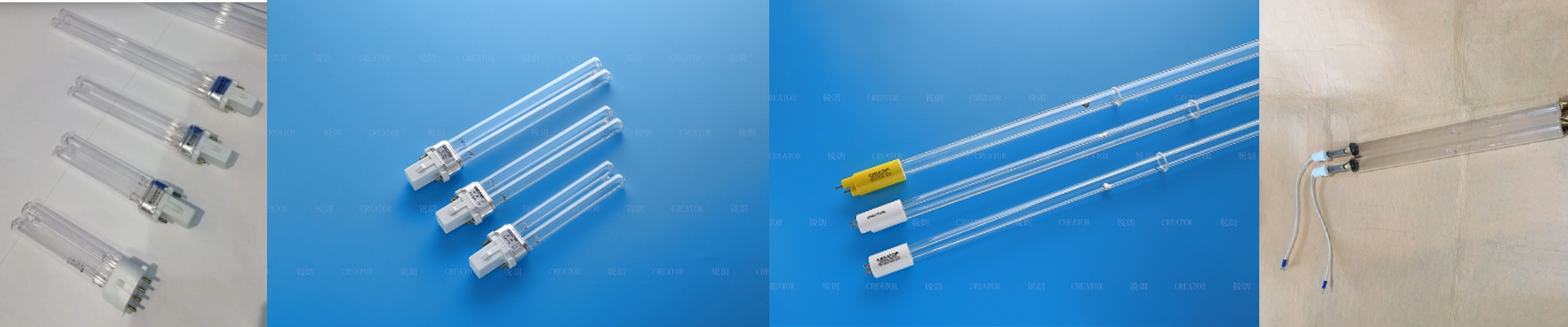
Mercury Vapor UV Curing Systems: Built to Run Clean, Built to Last
Here’s the thing about industrial UV curing: you want it to do the hard work, then step back and just keep humming. That’s exactly what we built these mercury vapor UV curing systems for. They’re for production lines that need to run clean—and run long—without the drama. They hit hard with high-intensity ultraviolet output, so coatings, adhesives, and inks cure fast. And the whole design is focused on zero-emission production: we use fully environmentally compliant materials, and we lean on a long-life architecture that cuts down on waste and keeps downtime off the table.
Power, Voltage, and Fit: The Details That Keep You Moving
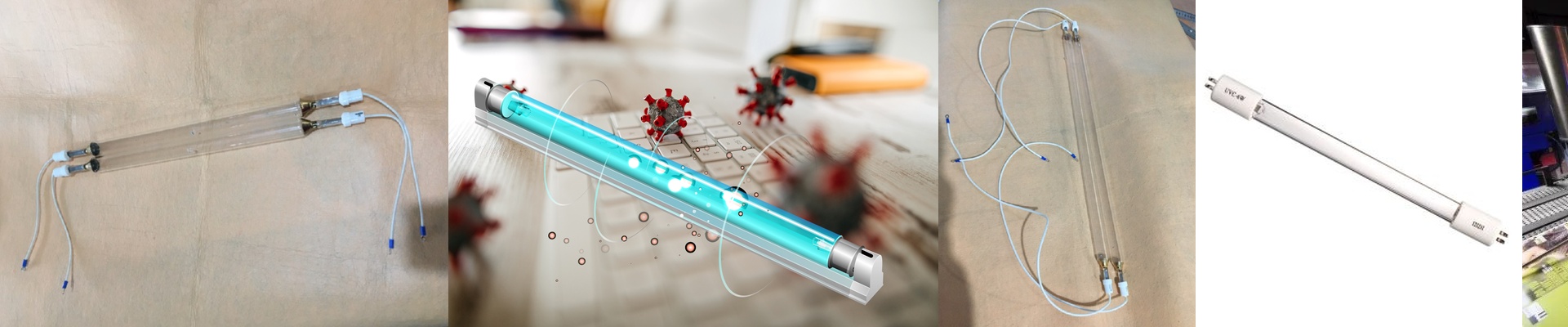
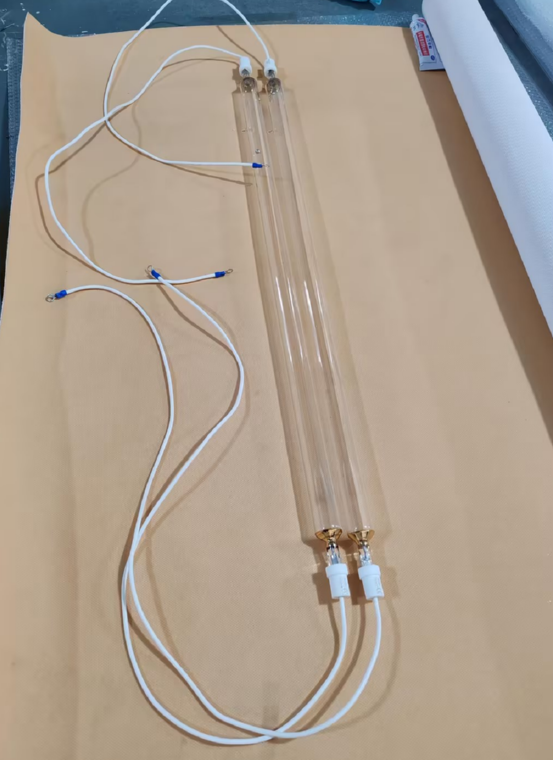
Mercury vapor UV lamps are all about balance—electrical and thermal. We spec them at 400V high voltage, because that gives you stable ignition and keeps the arc steady, even on demanding industrial power setups. Then there’s the wattage density. It concentrates energy right where you need it, so the photopolymerization process speeds up. And the size? We engineered it to fit standard curing chambers, so you can swap the lamp in as a direct replacement without re-engineering your whole line.
Inside the Build: Quartz, Coating, and the R7s Connection
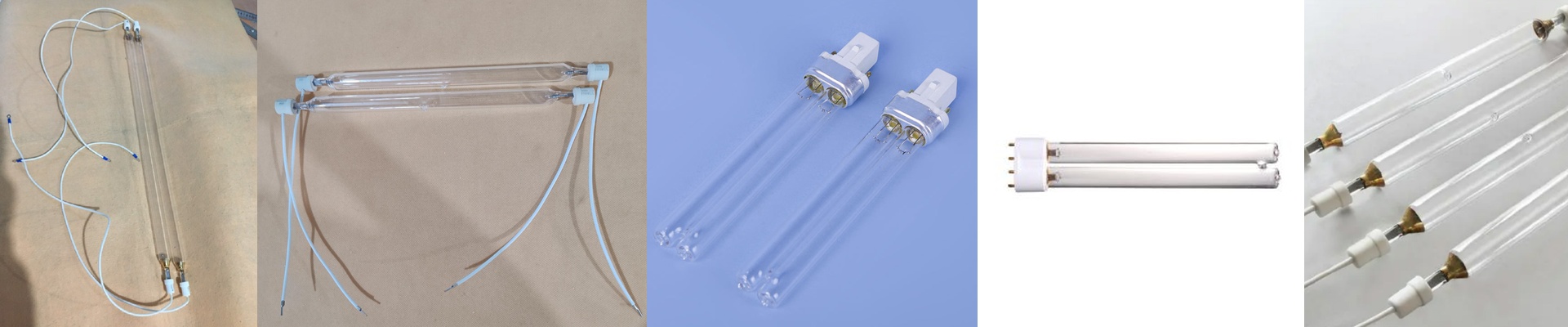
The core uses high-purity quartz. It transmits UV energy cleanly, with minimal absorption, and keeps the spectral output consistent. We also added a specialized coating. It helps control ozone generation and protects the envelope, which matters when the lamp cycles through heat over and over. The result is a long service life you can count on. And the R7s connector? It’s a proven industrial interface for a reason. It handles high current, holds contact reliably, and makes lamp swaps quick and simple—no fussing, just get back to work.
What It Feels Like on the Line: Fast, Tight, and Ready
In real-world UV curing, this setup delivers high heat density where it counts and doesn’t waste energy. The footprint is compact, so integration into existing machines is straightforward. And with R7s termination, installation stays clean and simple. But there’s a practical trade-off: high power density means you need proper cooling. Make sure your machine’s airflow and heat management are spec’d correctly, so the lamp and the surrounding electronics stay within safe operating limits. When that’s handled, you get the performance—without the overheating worries.