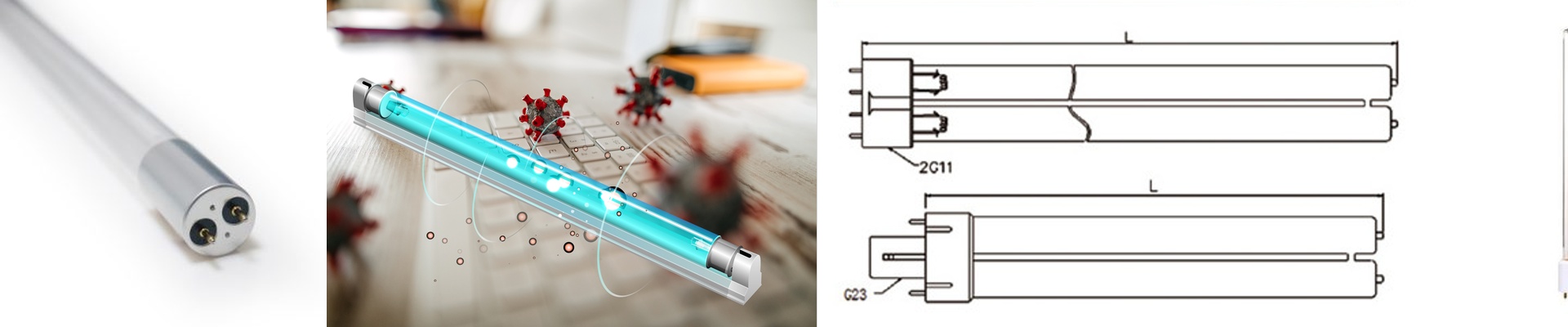
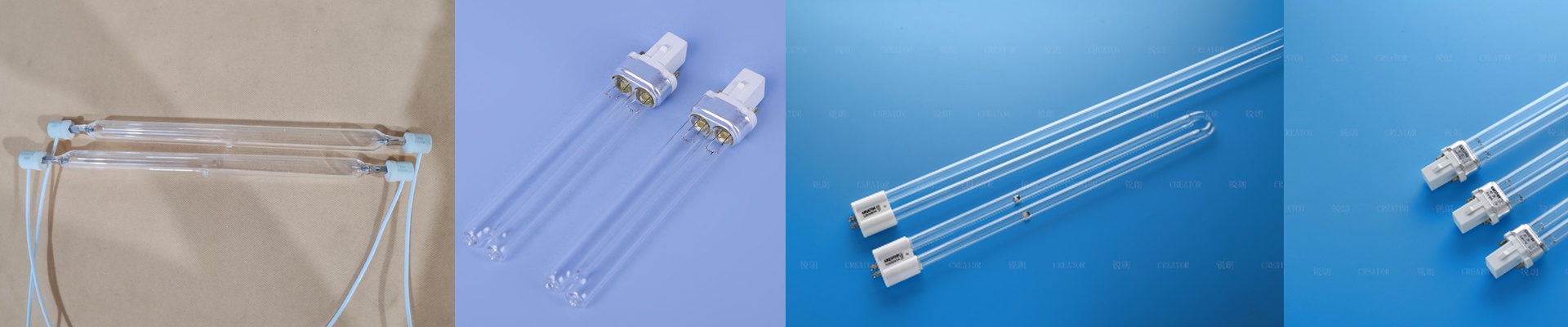
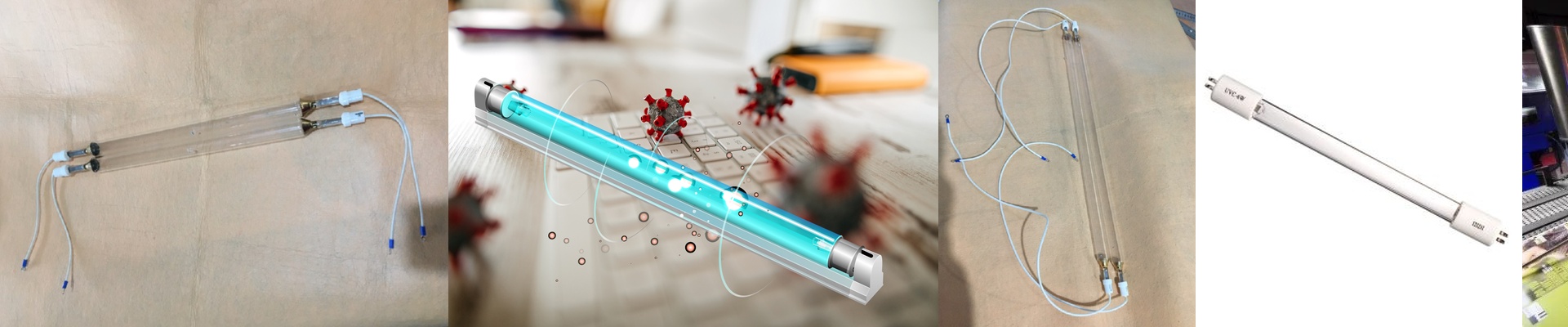
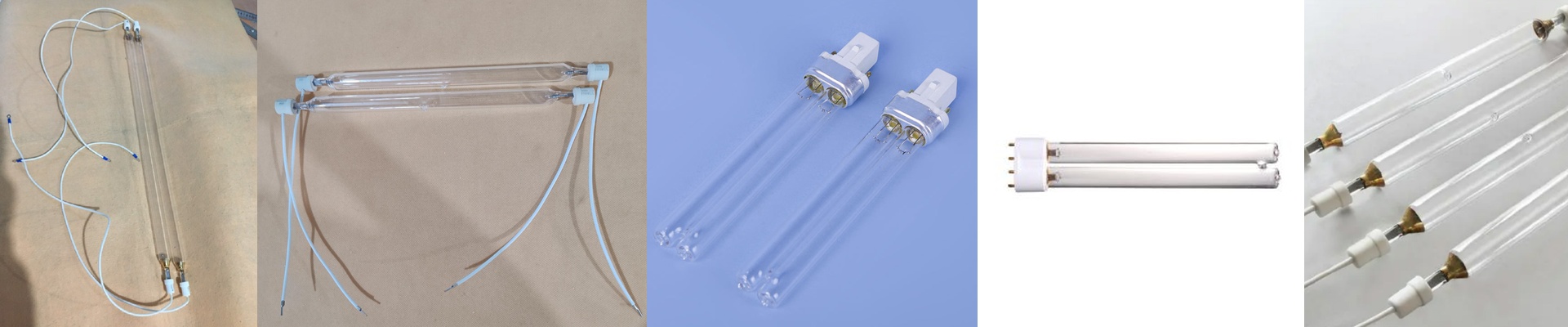
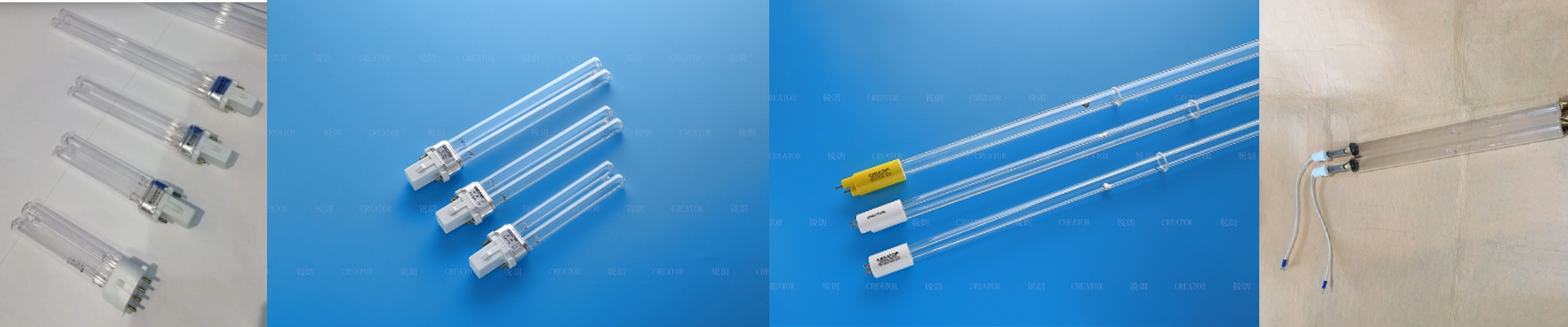
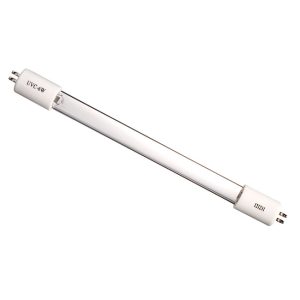
On the plant floor, a UVC lamp that looks lit isn’t the same as one that actually delivers the microbial kill you need. UVC output drops as the lamp ages, as the power supply drifts, and as the reflector gets fouled. Without real-time intensity measurement, you’re running sterilization on hope. What matters, technically UVC germicidal performance comes down to delivered dose: irradiance (mW/cm²) at the target plane, multiplied by exposure time. A lamp rated at, say, 100 W/cm can deliver far less by end of life, or after the quartz sleeve clouds up. The only way to confirm performance is continuous monitoring of spectral output and intensity with a calibrated radiometer traceable to NIST standards. Don’t chase “total UV.” Track the 254 nm peak. Log intensity, lamp hours, and warm-up stability. When the reading dips below the validated threshold, the process fails—even if the lamp still glows. Why this works where you run it On packaging lines, in cleanrooms, and at surface disinfection stations, you need repeatable cycles, documented proof, and a predictable lamp replacement schedule. Intensity monitoring turns sterilization from a black box into a controlled unit operation. You stop guessing and start meeting validation requirements with objective data. The payoff is fewer false passes, fewer recalls, and fewer unplanned lamp changes. A few shop-floor details that bite you UVC intensity sensors have to sit at the same working distance as the target—and stay clean. Dust and condensation will skew the reading. Reflector geometry and lamp-to-target alignment can reshape the dose profile, so verify across the entire zone, not just one spot. And treat lamp disposal as regulated waste. Mercury content means proper handling and the right documentation.