Why CE Certification Actually Matters for Gallium Iodide UV Lamps
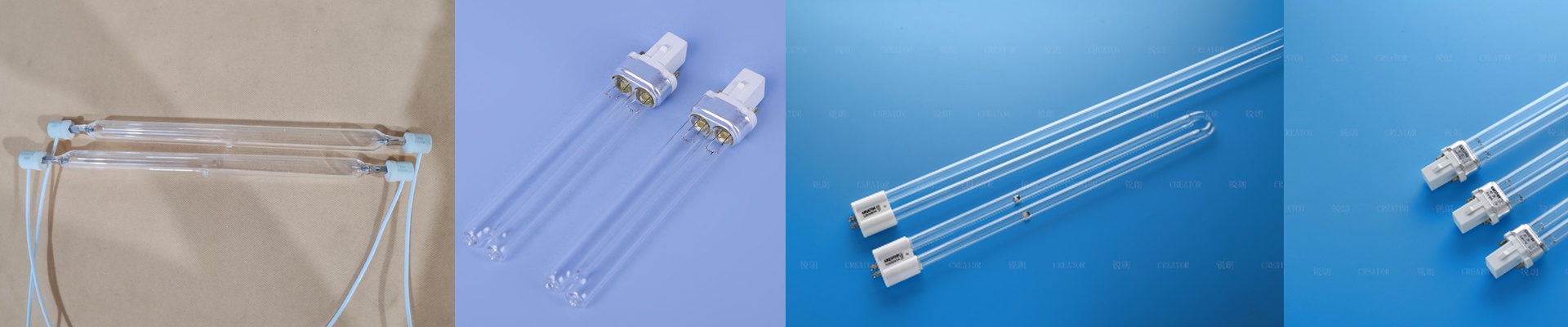
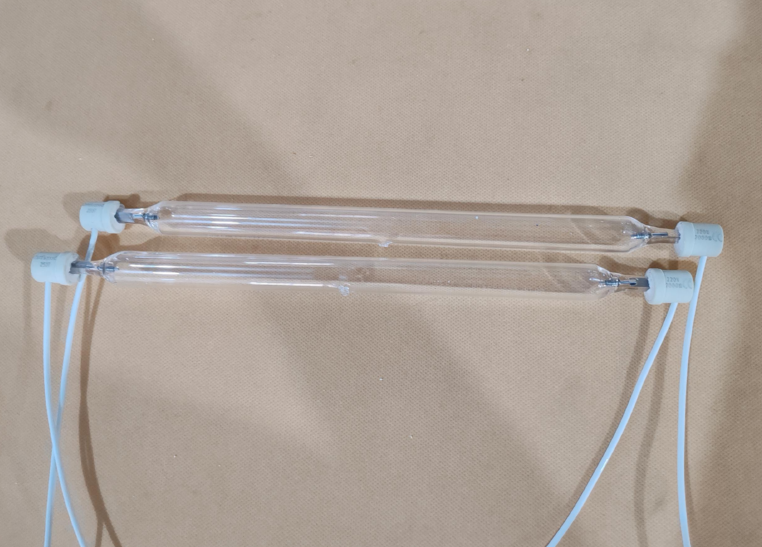
If you’ve worked with standard mercury vapor tubes, forget that for a second. Gallium iodide lamps are a different beast entirely. We build these to shift the light spectrum, hitting those specific wavelengths you need for deep-curing or tricky photochemical reactions. But here’s the catch: when you go custom, the electrical load and the heat are intense. It’s not just about a logo. When people talk about CE certification, they often think of it as just another sticker. It’s more than that. It’s about making sure your lamp and ballast don’t freak out. Gallium iodide lamps need incredibly precise voltage to keep the arc steady. If the insulation is sloppy or the shielding is off, you’re looking at electrical leaks or—even worse—interference that messes with every other sensor on your factory floor. We spend a lot of time testing for dielectric strength and leakage current. Why? Because nobody wants a lamp that fries their entire control circuit. The reality of getting it into the field. If you’re selling into high-end markets—especially in Europe—you can’t just wire up a random UV system and hope for the best. The regulators won’t allow it. It comes down to liability. The CE mark shows the lamp follows the Low Voltage Directive (LVD) and RoHS standards. Without it, you’re stuck. You can’t put these lamps into automated production lines in regulated regions. Having that certification just takes the guesswork away for the site engineer. They see the mark, they know it’s safe, and they move on. The balancing act: Power vs. Safety. I’ll be honest: getting a custom lamp CE-certified takes some time. We’re constantly juggling the wattage you want for that high UV intensity against the thermal limits of the housing. It’s a trade-off. If you push for more output, the lamp runs hotter. Simple as that. That’s where your cooling comes in. You’ll need to get your fans or water jackets exactly right, or you risk the quartz envelope cracking under the stress. We give you the data sheets so you can match your cooling capacity to the actual heat the lamp puts out. It saves a lot of headaches—and broken glass—down the road.