Getting UV Curing Right in Your Textile Line
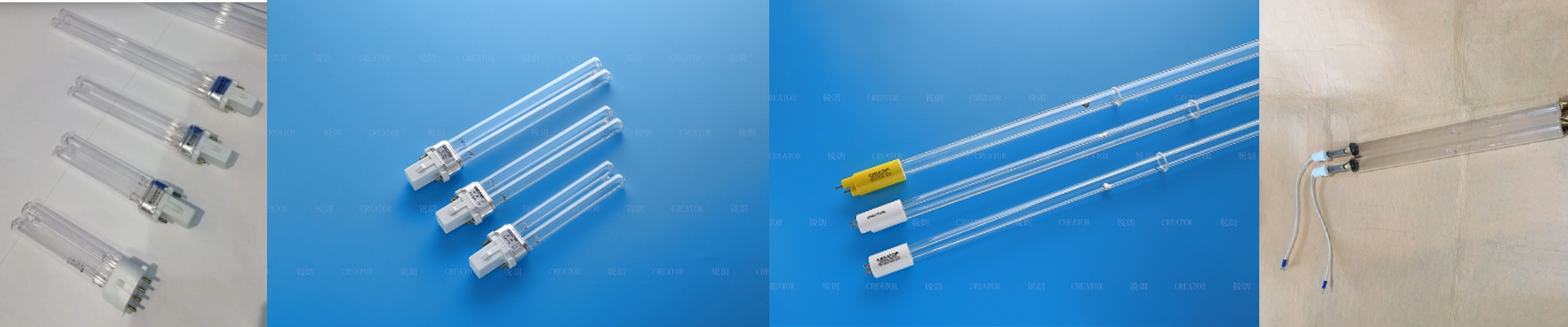
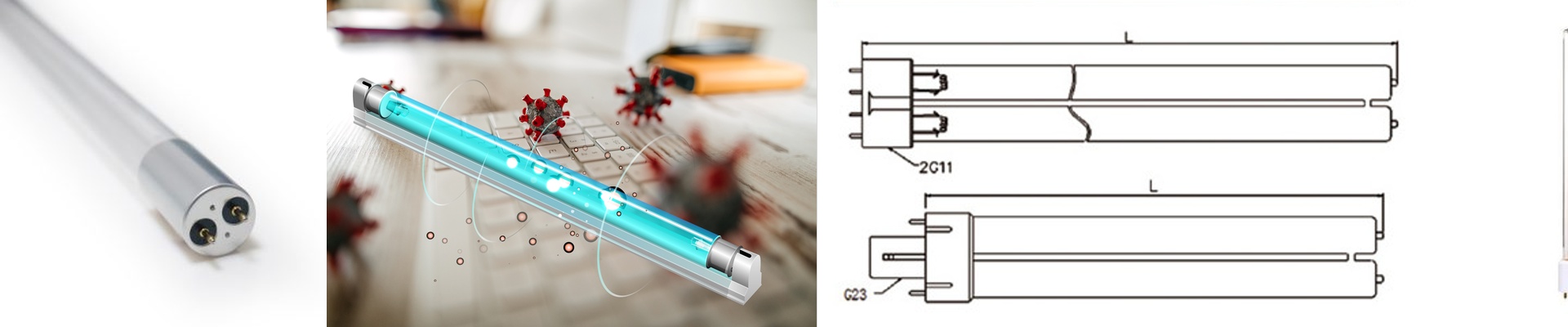
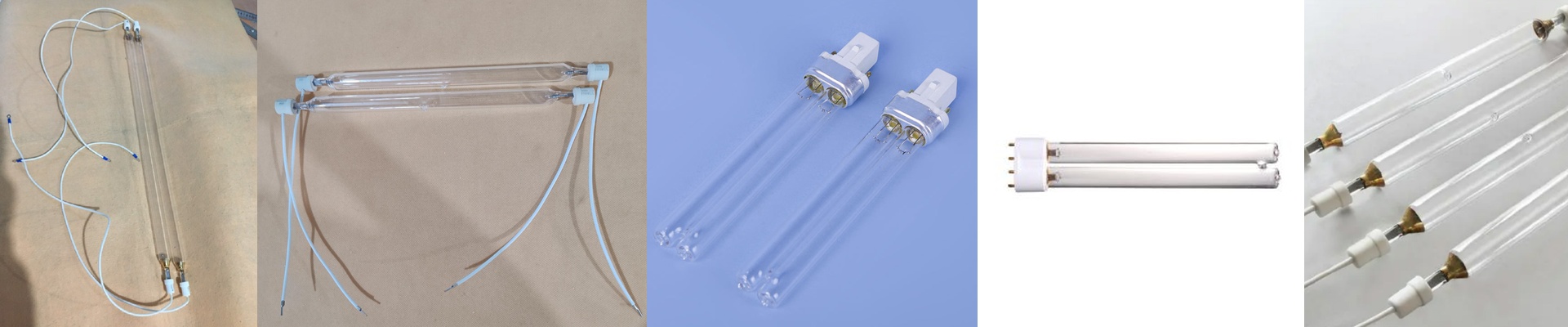
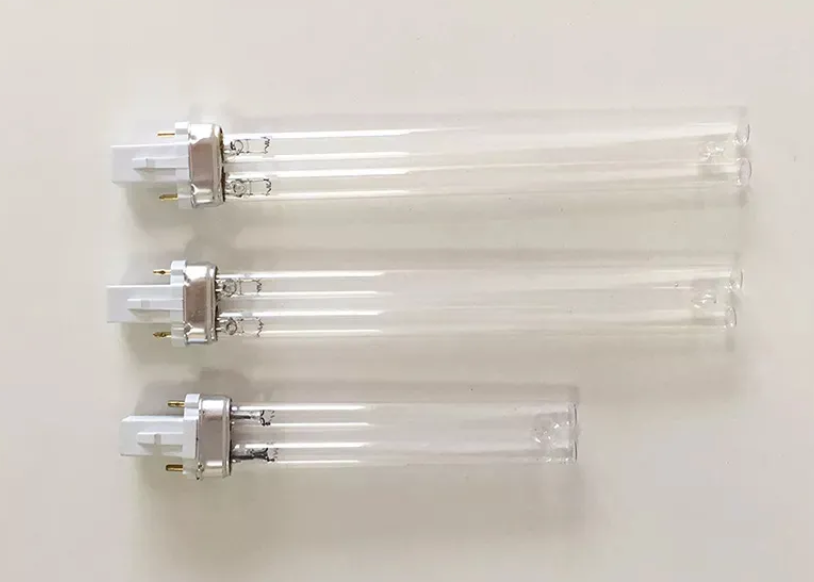
Most people don’t think about the lights above their fabric, but those UV lamps are basically the unsung heroes of the whole operation. We build them to handle the heavy lifting—specifically getting inks and coatings to set instantly. The best part? You don’t have to blast your fabric with heat. That means you can cure your materials without worrying about melting or ruining delicate fibers.
Picking the Right Power
When we figure out which lamp you need, it usually comes down to two things: how fast you need to move and how sensitive your fabric is. If you’re looking for sterilization or a rock-solid resin bond, we go with high-intensity UV-C. For standard pigment curing, UV-A is the way to go. But here’s the tricky part: the layout. If you’re running a wide-web conveyor, you can’t just throw some bulbs in there and hope for the best. We make sure the lamp footprints overlap perfectly. Otherwise, you’ll end up with “zebra stripes” or weird uncured patches right in the middle of your roll. Nobody wants that.
Heat and Glass
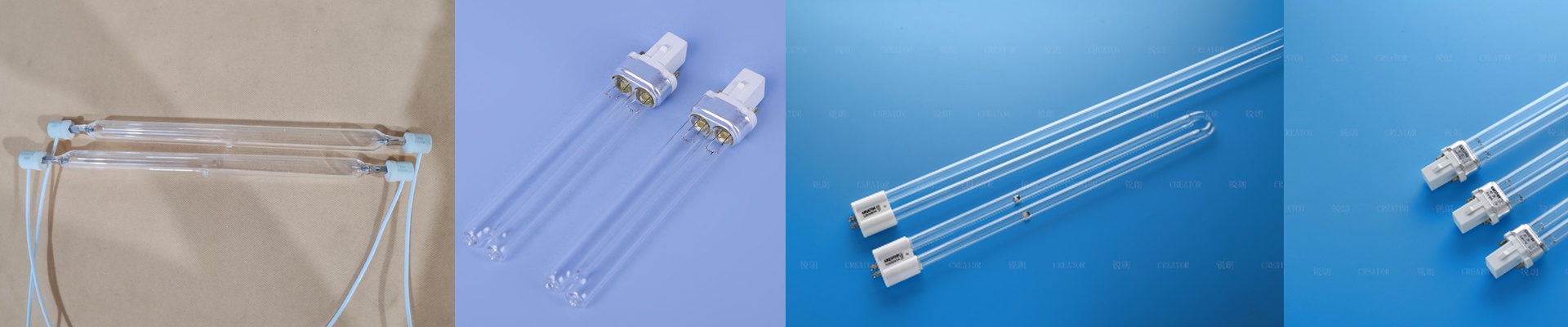
We use high-purity fused quartz for the glass because it lets the most UV light through. And for the really messy, heavy-duty lines, we can add custom coatings to protect the glass from chemical splashes or tweak the light spectrum. But you’ve got to keep an eye on the temperature. High-wattage arrays put out a ton of energy. If your cooling system isn’t up to the task, things get messy. Your fabric might warp, or worse, your crisp white textiles start turning yellow. It’s a nightmare to fix once it happens.
Making it Work in the Real World
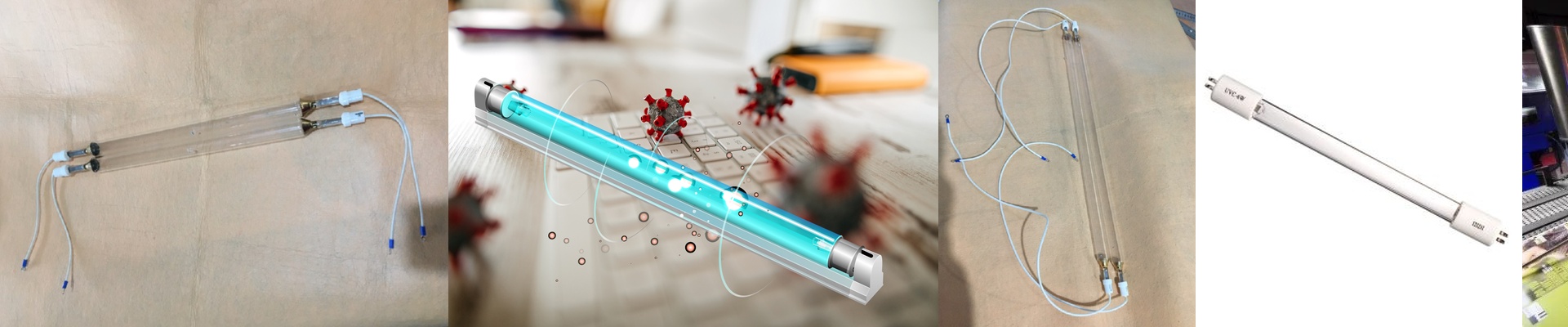
We know you can’t just shut down your factory for a week to install new gear. That’s why we build our lamps as drop-in replacements. Whether you have a weird proprietary chamber or need specific end-cap connectors, we handle it. We weld and seal everything to make sure they can handle the constant shaking and vibration of industrial looms. Factories are rough on equipment. To stop your lamps from burning out too early, we focus heavily on electrode stability. We want your lights to stay steady and strong until the very end of their life cycle, so you aren’t constantly swapping bulbs in the middle of a shift.