Getting Your UV Curing Right: No Scorched Fabric, No Tacky Ink
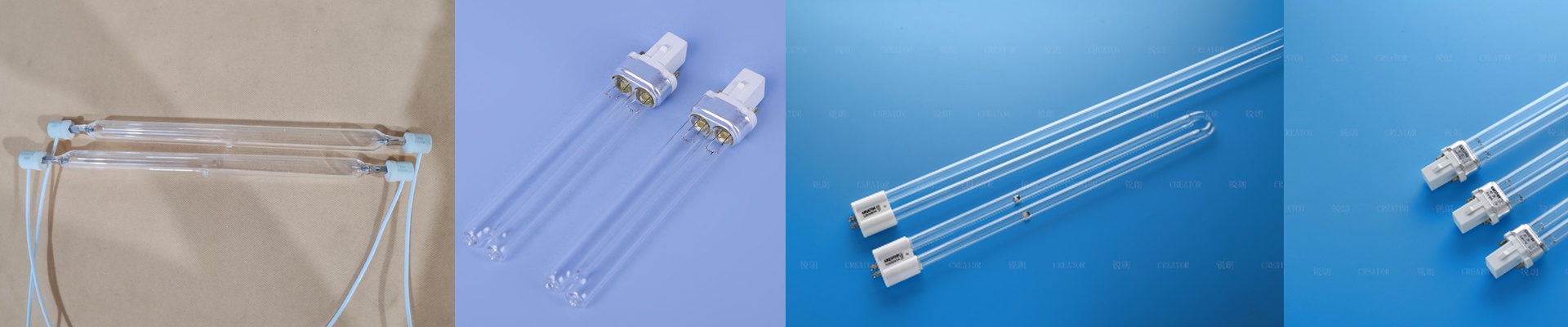
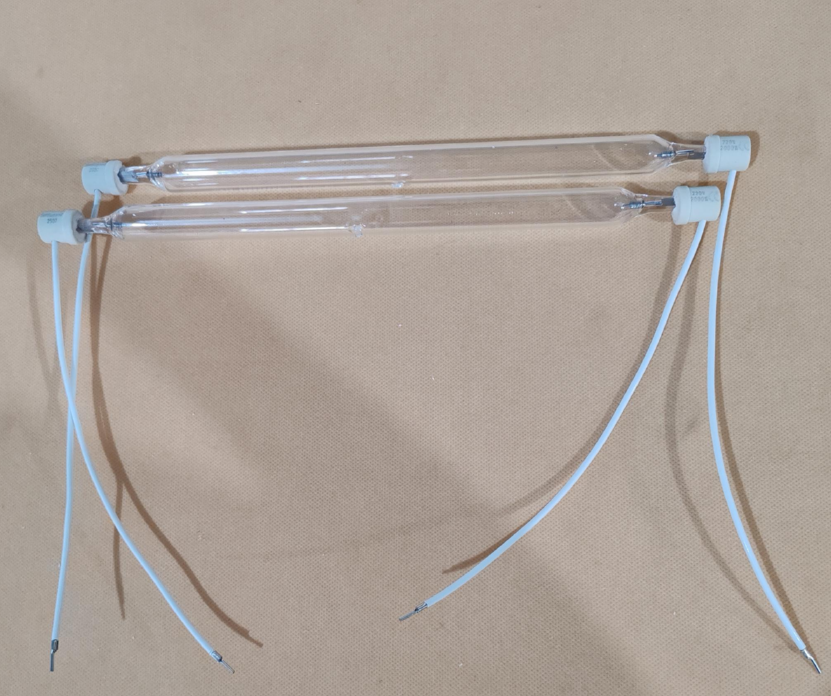
When you’re curing textile ink, you can’t just throw a generic light at the problem and hope for the best. If the wavelength is off or the intensity is weak, you’re just wasting electricity. But if it’s too aggressive? You’ll end up scorching your fabric. That’s why we build our UV lamps to hit a very specific sweet spot. The struggle with line speed Here’s the thing: your lamp power has to keep up with how fast your conveyor is moving. If the wattage is too low, the ink stays tacky. You know that annoying feeling where the print just doesn’t “set”? That’s the problem. On the flip side, crank it too high and you risk damaging the material. We spend a lot of time dialing in the tube length and voltage. We want a uniform field of light across the whole print width. No “cold spots.” Because nothing is more frustrating than finding a patch of uncured ink right in the middle of a finished run. Heat, quartz, and the “burn” We use high-purity fused quartz for the tubes. It’s a tough material. It lets the UV light through while handling the stress of being turned on and off all day. For the heavy-duty setups, we add reflectors to bounce every possible photon back down onto the textile. But you’ve got to keep an eye on your cooling. High-wattage lamps get hot. Really hot. If your exhaust system isn’t pulling that heat away, your tubes will burn out way faster than they should—and your fabric might actually warp. We build the lamps to take the heat, but your machine’s airflow has to do its part. Making it actually work in your shop We keep the end-caps simple so these are basically drop-in replacements for the gear you already have. No fuss. We also make sure the electrical contacts at the pins are tight. That stops the arcing that usually kills lamps prematurely. The real secret, though, is matching the light spectrum to the specific photoinitiators in your ink. When those two things line up, you don’t need as much energy to get a full cure. That means less heat hitting your fabric and a much cleaner finish.