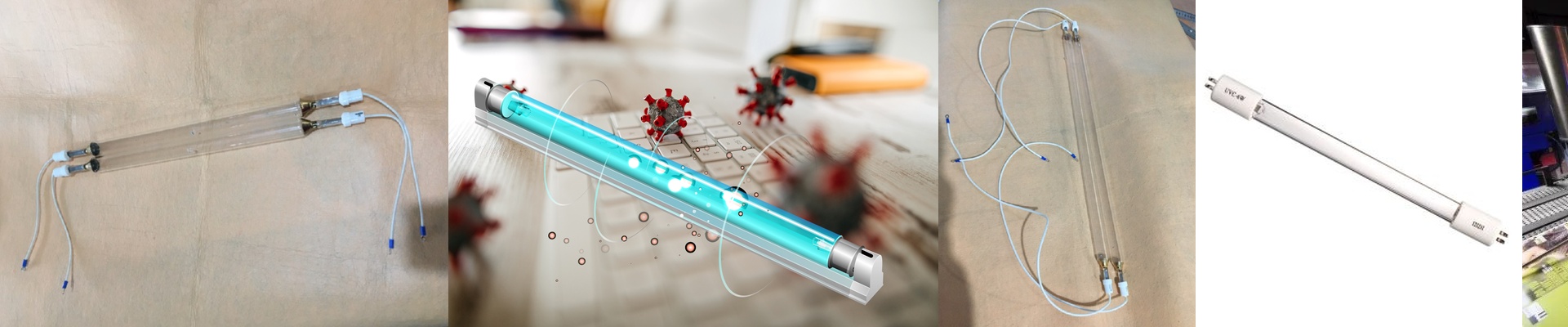
Getting Your PCB Curing Right with Gallium Iodide Lamps
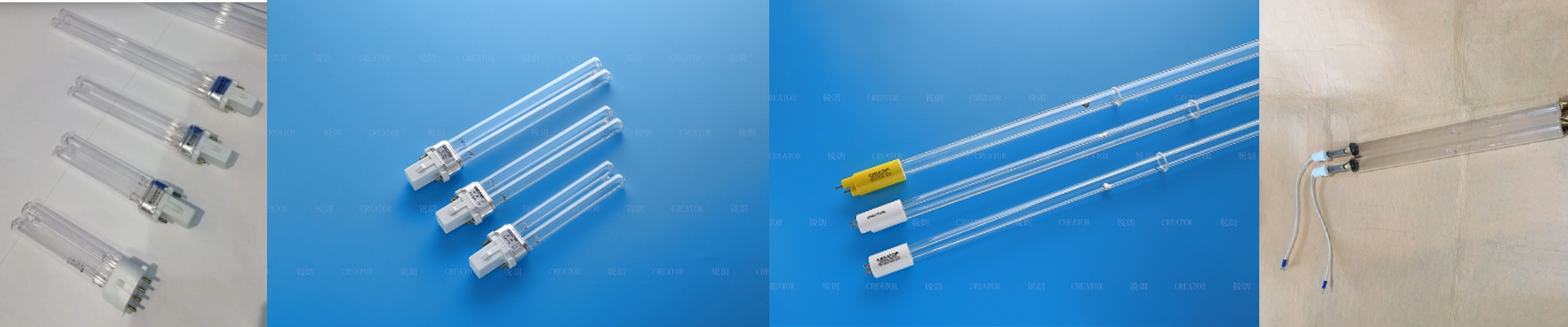
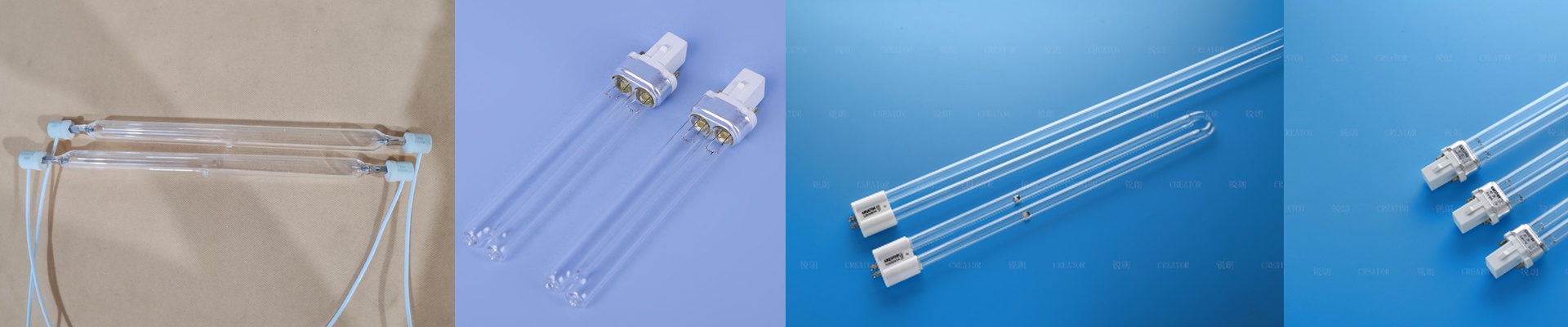
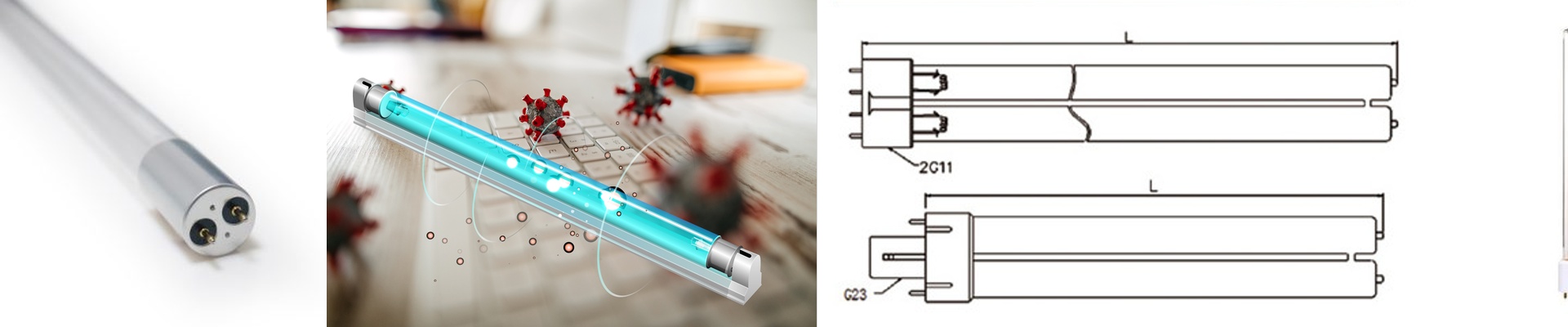
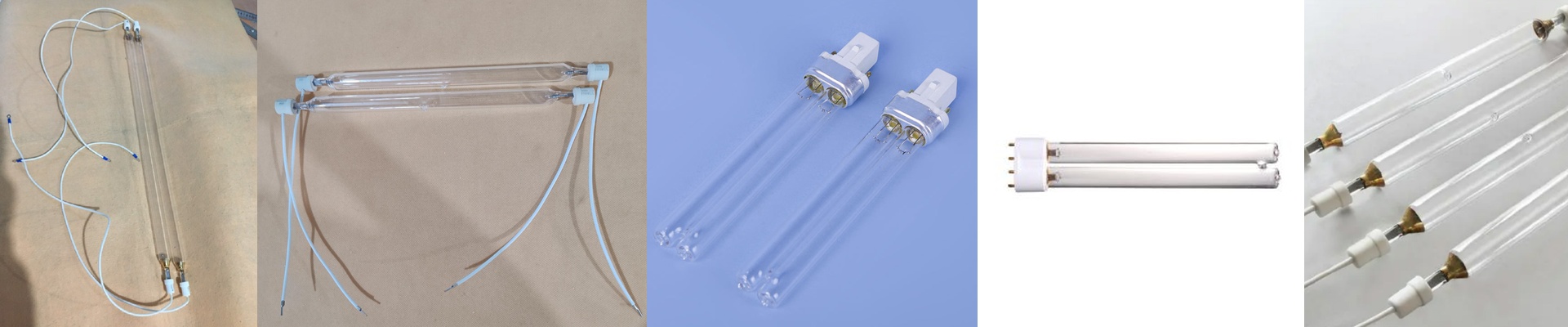
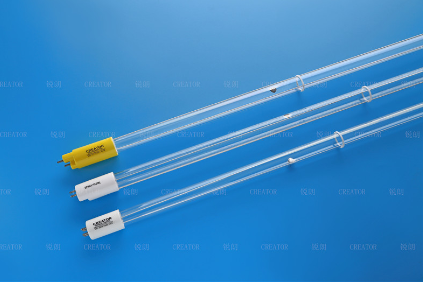
If you’re running a PCB line, you know that curing photoresists is a bit of a balancing act. You need the UV energy to be just right. That’s why we lean on Gallium Iodide (GaI) lamps. Unlike your standard mercury lamps, these shift the light toward longer UV wavebands. Why does that matter? Because it lets the light actually sink deep into the resist layer instead of just bouncing off the top. The physics of it is pretty simple. Most lamps can cause “surface skinning.” That’s when the top layer hardens way too fast, trapping all those unreacted monomers underneath. It’s a nightmare for quality control. GaI lamps fix this by hitting the UV-A and UV-B ranges harder, making sure the resist hardens evenly from the surface all the way to the bottom. We build these things to take a beating, too. They handle high thermal loads so the light stays steady and predictable. A few things to watch for during setup. You’ll usually slot these into your exposure units or curing tunnels. We use high-purity quartz for the tubes because regular glass would just soak up all that UV energy, leaving you with nothing. But here is a heads-up: if you’re swapping these into an old line,double-check your ballast. Gallium lamps don’t start up the same way standard UV lamps do—the strike voltage is different. If you plug them into a system that wasn’t built for GaI, you’re going to burn out your electrodes way faster than you should. The trade-off. Look, these lamps are great for high-density patterns, but they run hot. Really hot. You can’t cut corners on your cooling fans or chilled water loops. If your cooling dips, the lamp temperature spikes. When that happens, the spectral peak shifts, and suddenly your curing is inconsistent across the board. It takes more power, sure. But in exchange, you get a faster line and much tighter registration. To us, that’s a fair deal.