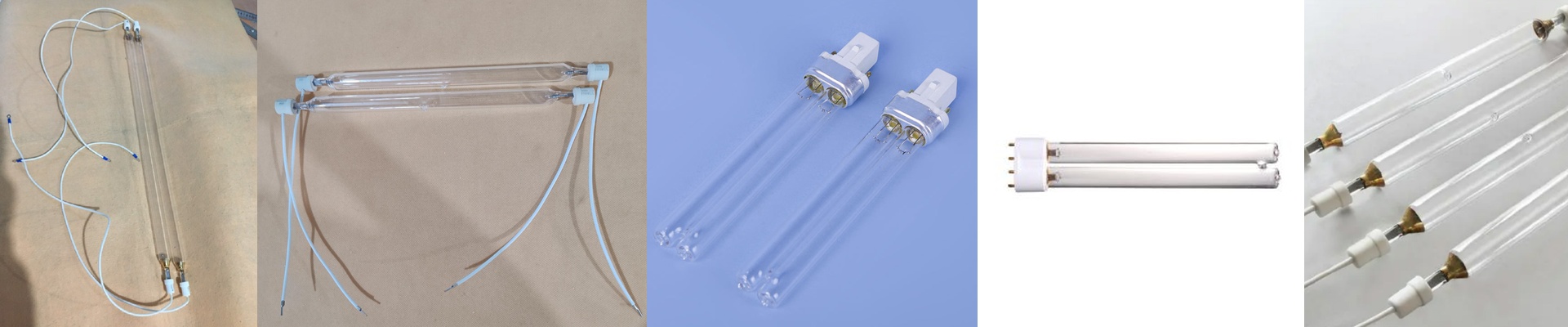
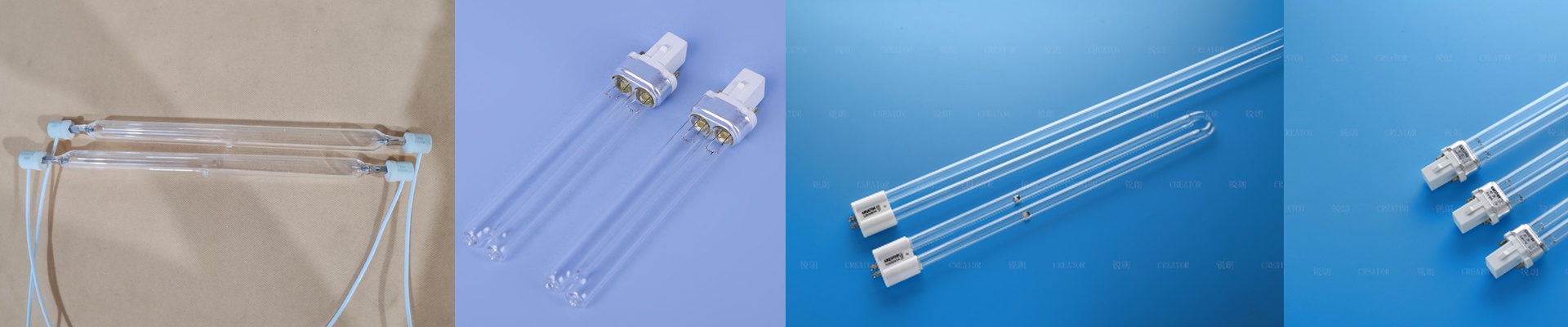
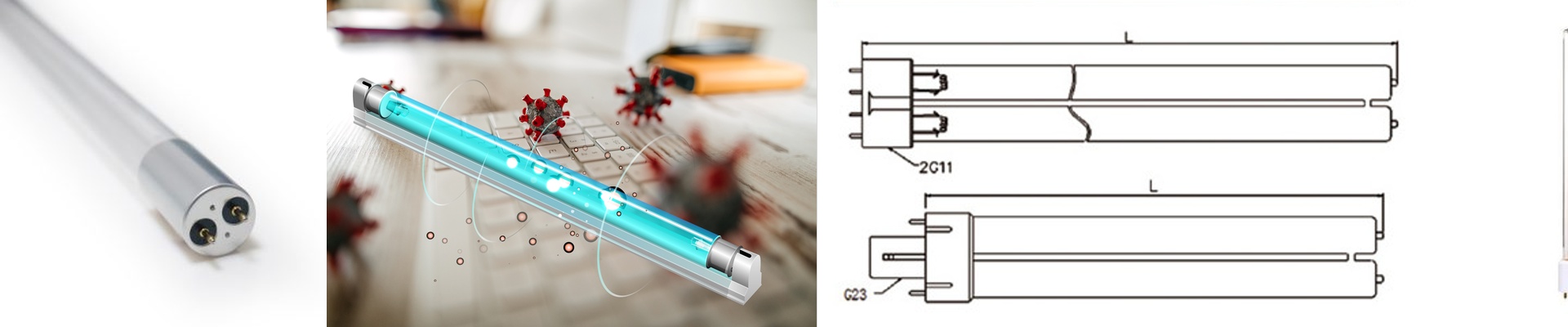
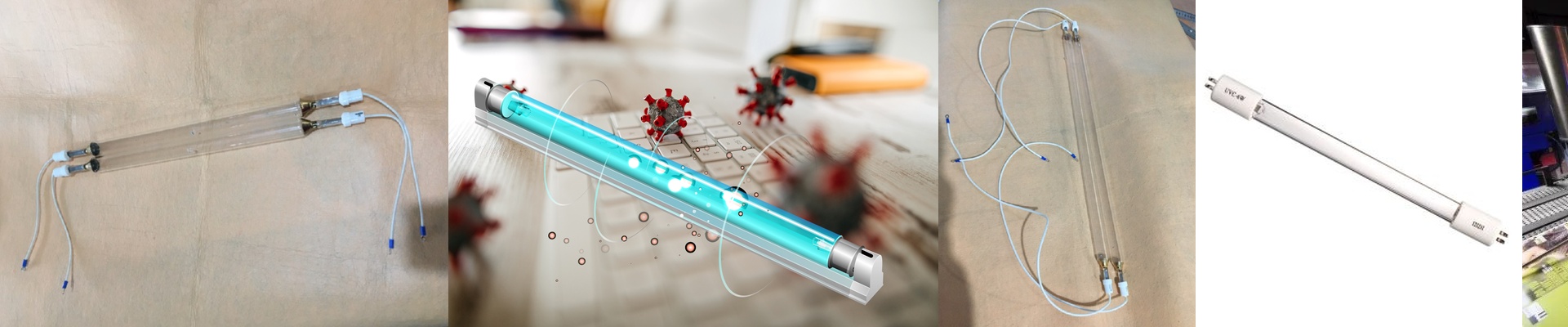
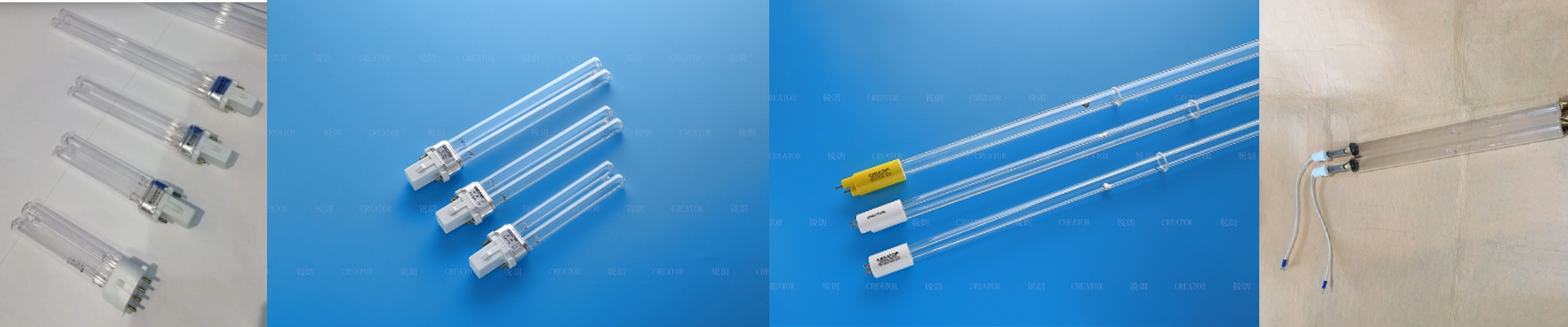
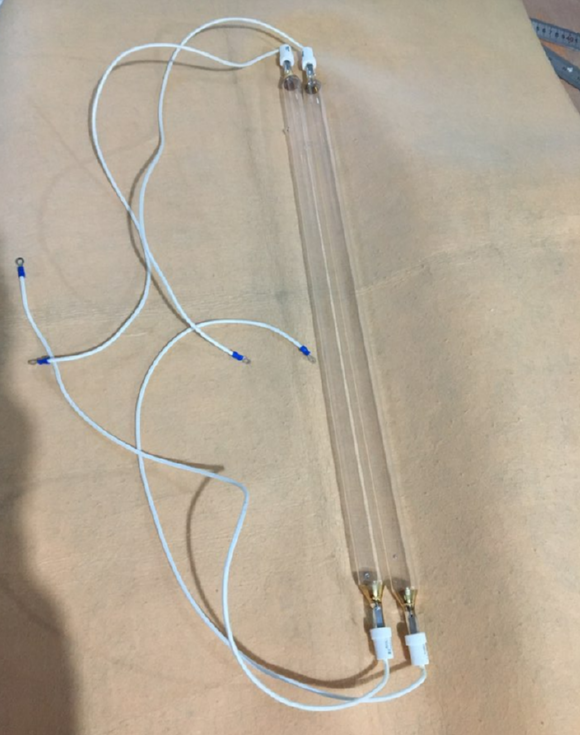
On the floor, packaging that fails in transit doesn’t just lose product—it eats your margin. In UV-cured packaging lines, the bottleneck is often the lamp. Inconsistent spectral output leaves ink undercured, and output that fades early makes adhesion unpredictable. Gallium-doped UV curing lamps cut straight to the fix. What actually matters under the hood Gallium doping pushes the dominant emission toward 365nm and 385nm, which lines up with the photoinitiators in a lot of UV inks and coatings more closely than standard mercury vapor lamps. That tighter spectrum puts more photon flux right at the absorption peaks, so the effective energy density hitting the substrate climbs. Peak irradiance holds steady across lamp life, and output drop is typically under 5% after 5,000 hours when you run within rated power density. The quartz arc tube and dichroic reflector assembly are built for high UV reflectance and controlled heat load, so you get consistent cross-linking without hot spots that warp thin films. Why this works on packaging lines Packaging that has to survive long-haul logistics lives and dies by a narrow curing window: enough cure to lock in color and adhesion, but not so much that the substrate distorts. The gallium-doped profile gives you repeatable cure at lower line speeds and tighter tolerances, which cuts rejects from scuffing, delamination, and poor edge definition. You can run thicker varnishes and high-pigment inks without chasing lamp power up and down. Energy use drops because the spectral match cuts wasted IR and broad-spectrum output, and fewer lamp swaps mean fewer unplanned stops. Here is what you need to get right Matching lamp output to your press isn’t optional. Confirm arc length, end-of-life protocol, and reflector geometry against your existing UV system—gallium lamps aren’t a universal drop-in across all legacy fixtures. Expect slightly lower total UV output compared with high-pressure mercury; the trade is better spectral targeting and more stable cure on modern formulations. Keep the lamp window clean and monitor with a calibrated radiometer to hold the process where it belongs.