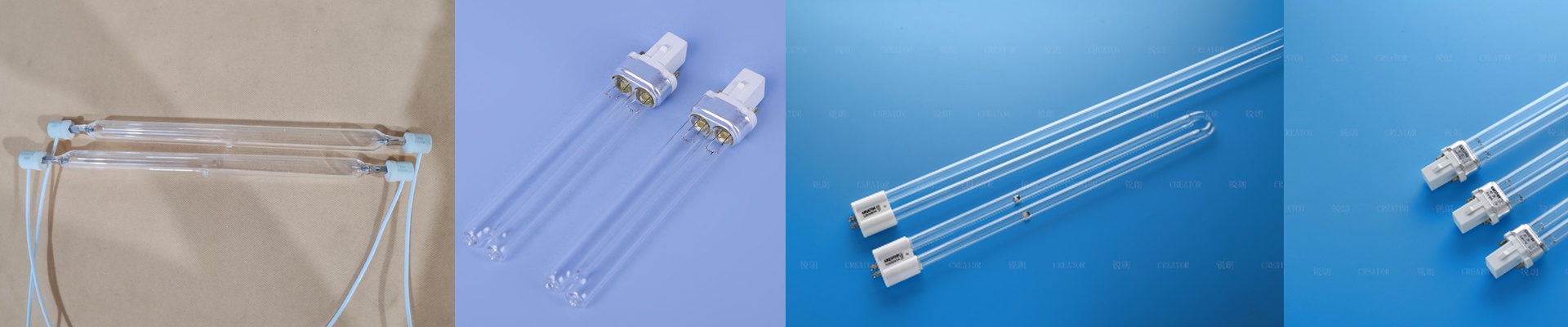
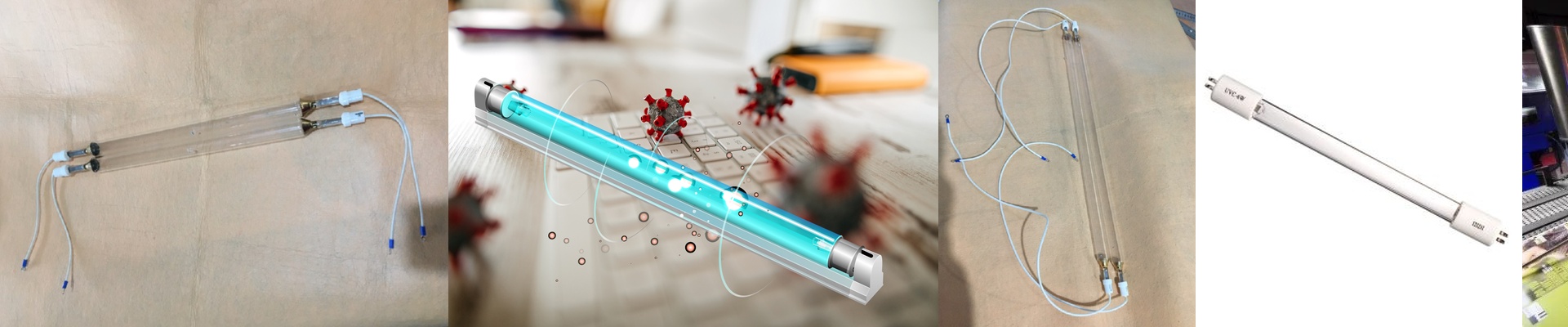
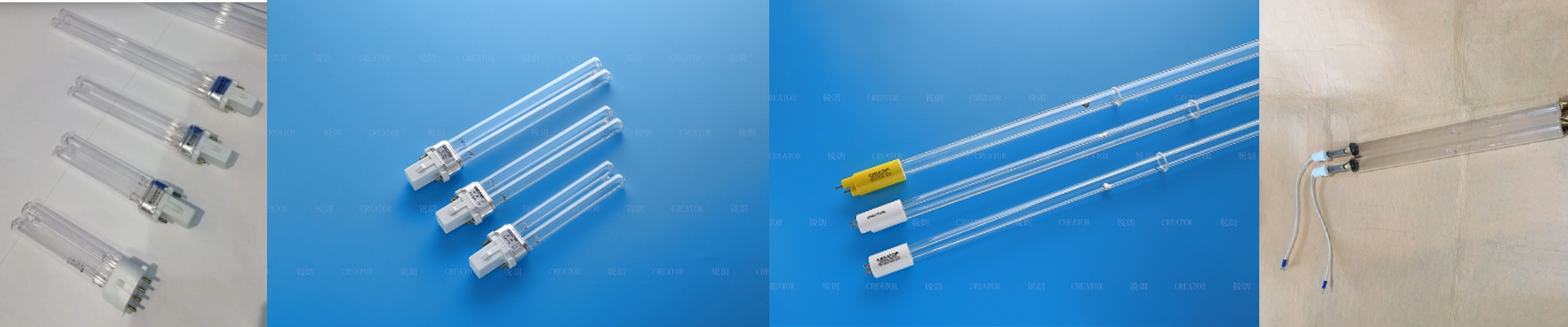
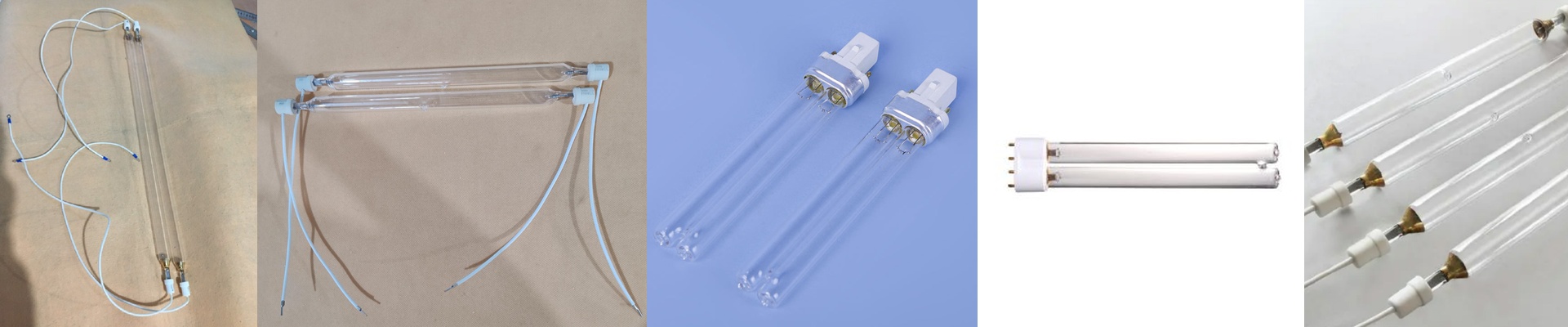
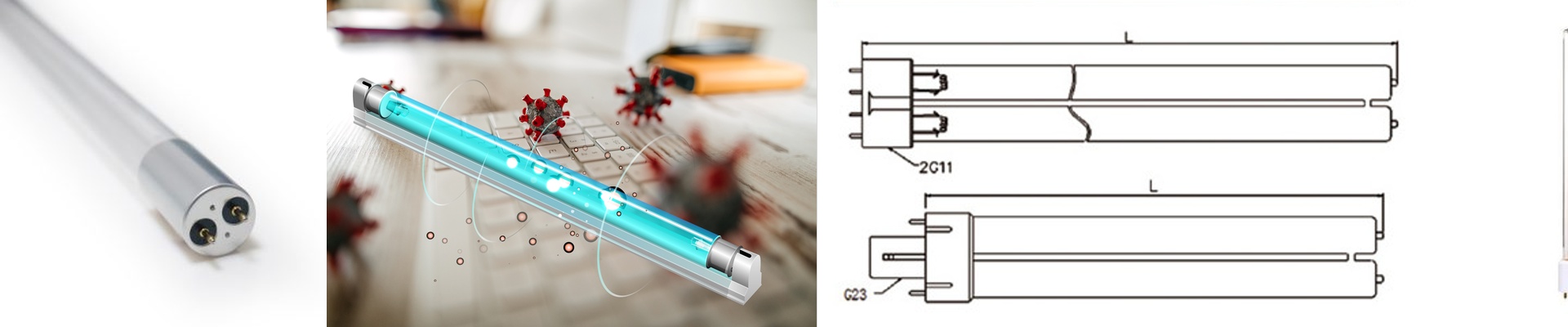
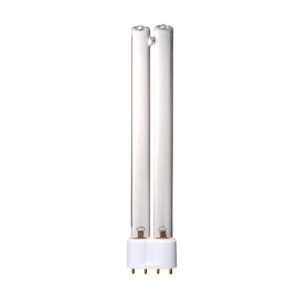
At 200 meters per minute, a web press doesn’t have time to negotiate with UV energy. If lamp output dips, you get a surface that feels cured while the base stays undercured. Then adhesion fails, blocking shows up, and the scrap pile grows. We built our gallium iodide lamp for exposure units to run at that pace without chasing peaks. The heart of it is spectral control. Gallium iodide doping pushes the dominant emission toward 385–405 nm, which lines up with the photoinitiators in modern UV inks. It also cuts the 365 nm spike that dumps extra heat into the web. That gives you a flatter spectral profile, steady arc stability, and faster cross-linking without scorching thin substrates. You get stable irradiance across the full lamp length, repeatable peak intensity from startup to end-of-life, and an output curve that holds within tight tolerance over thousands of hours. In high-speed web work, cure is about dose, not guesswork. Our lamp delivers the energy density you need at the speed you run, so you don’t have to over-speed the system to compensate. That means fewer micro-cracks, stronger adhesion, and less drift between job start and job end. Energy use comes down because you’re not overdriving the lamp, and replacement intervals stretch because the electrode load and dopant chemistry are tuned for long-duration ignition cycles. Here is the thing: gallium iodide lamps are particular about ballast matching. Install it with a driver sized to your arc length and power density, and double-check reflector alignment. If it’s off, dose across the web gets skewed. Also make sure your exposure unit geometry and dichroic reflector coatings are compatible. Spectral efficiency depends on the whole optical stack, not just the lamp.