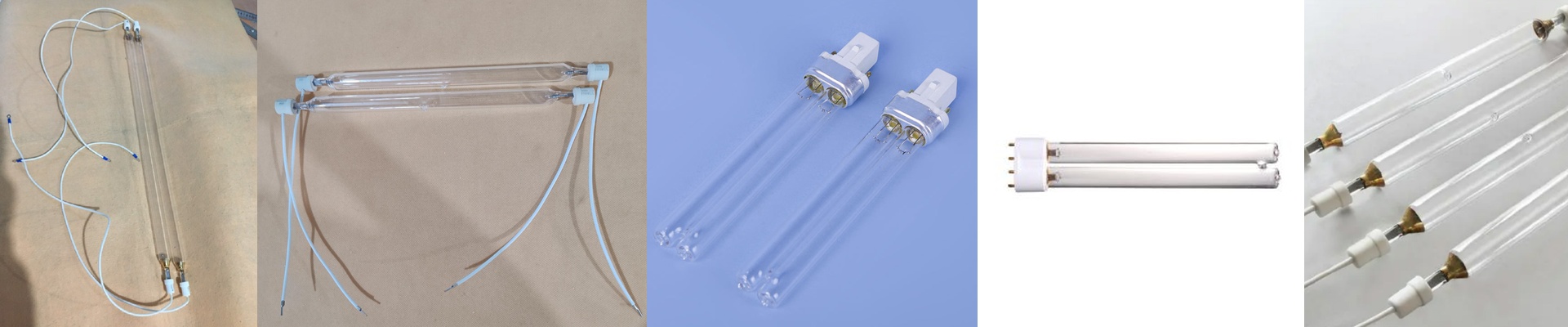
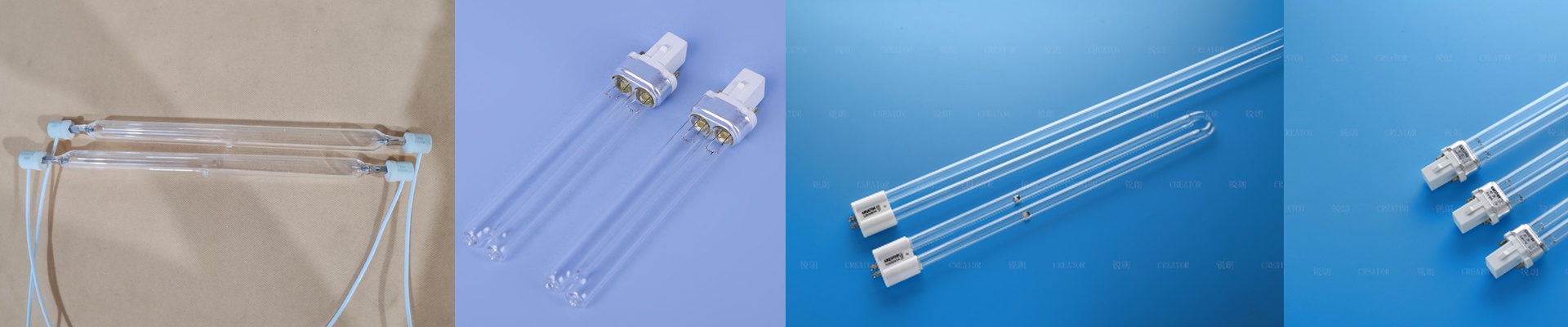
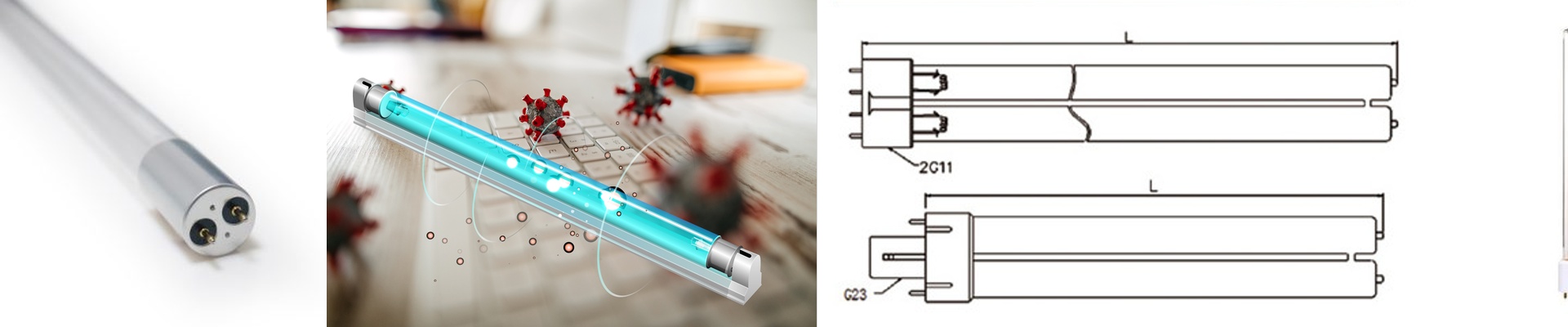
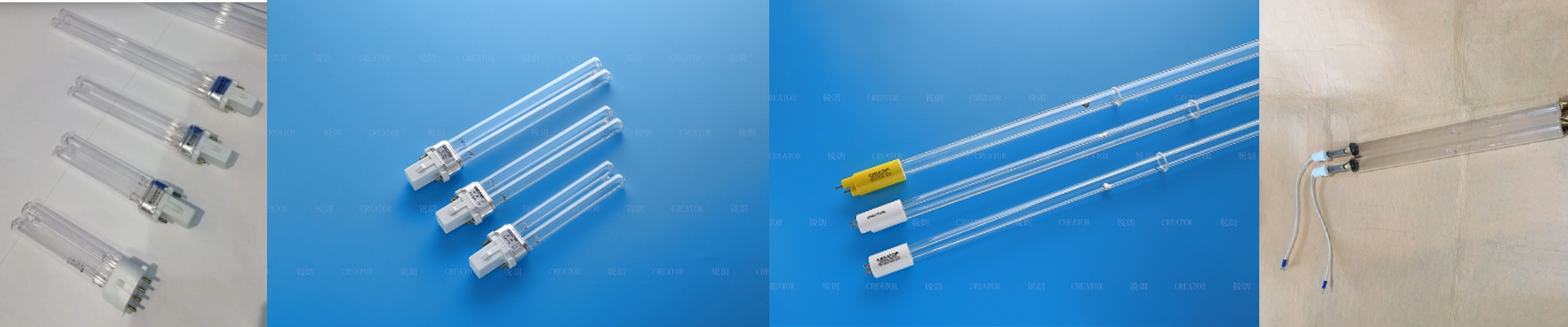
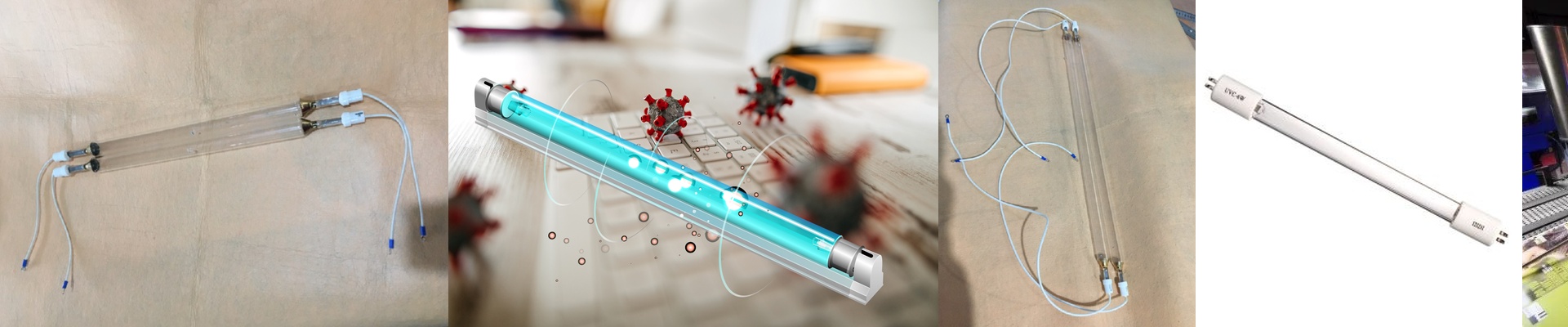
On a pad-print or screen line, color drift usually has a predictable culprit: the lamp and the ink’s photoinitiators aren’t speaking the same spectral language. When the lamp’s peak output shifts, you get top-surface cure while the bottom stays tacky, and pigments react unevenly. That’s how you end up with visible color variance from one batch to the next. What matters, technically Gallium iodide UV curing systems give you tight spectral control, with dominant output at 365nm and 385nm, plus optional 405nm lines. That narrow-band emission lines up with the absorption profile of common acrylate photoinitiators, so cross-linking happens uniformly through the full ink layer. Peak irradiance hits 1200–1600 mW/cm², delivering 600–1200 mJ/cm² at typical print speeds. The dichroic reflector keeps the spectral selectivity and cuts down broadband IR that adds heat and can warp the substrate. Ozone-free operation comes from quartz envelopes engineered to suppress the 185nm line. Why it fits pad and screen work Pad and screen inks sit thicker, and pigment loading is higher, so you need cure that goes all the way through. Gallium iodide lamps keep energy density consistent across the substrate, which means the first print and the thousandth print see the same spectral dose. You can expect stable dE under controlled conditions, less after-cure tack, and the ability to run faster without giving up adhesion. Energy draw is lower than with high-pressure mercury systems, and lamp life is typically 6000–8000 hours before output falls below spec. The things you really need to get right Installation has to match spectral output to the ink chemistry and the reflector geometry. Check PLC compatibility, shutter integration, and how the shutter cycle manages heat — poor thermal handling ages lamps fast. Some substrates with UV blockers will need dose compensation, or even a dual-wavelength approach. And plan on using a radiometer to track output over time. Without that measurement, color consistency across shifts is a shot in the dark.