Making UV Lamps That Don’t Trash the Planet
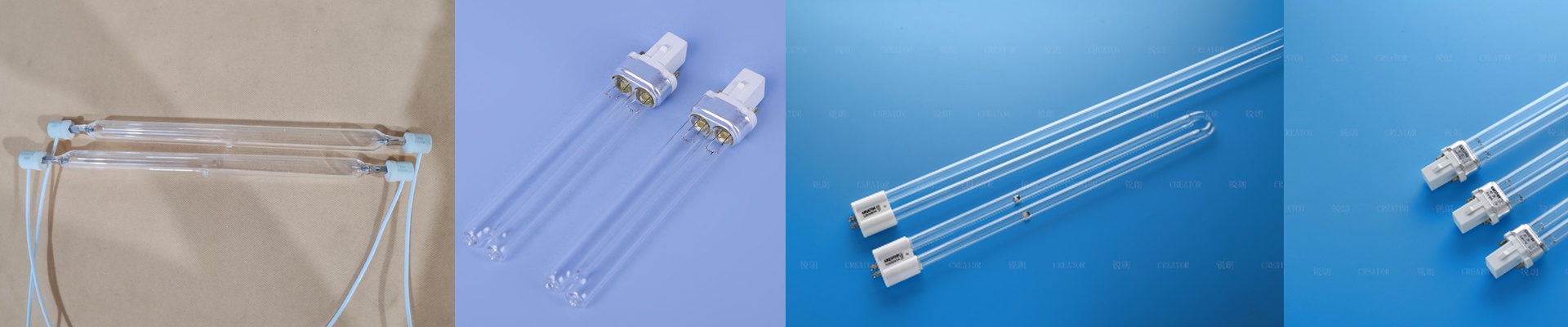
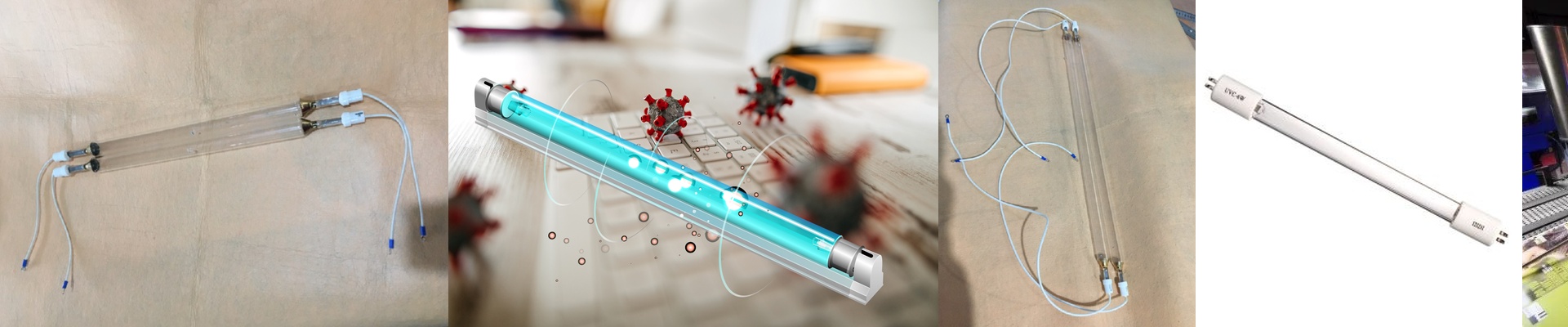
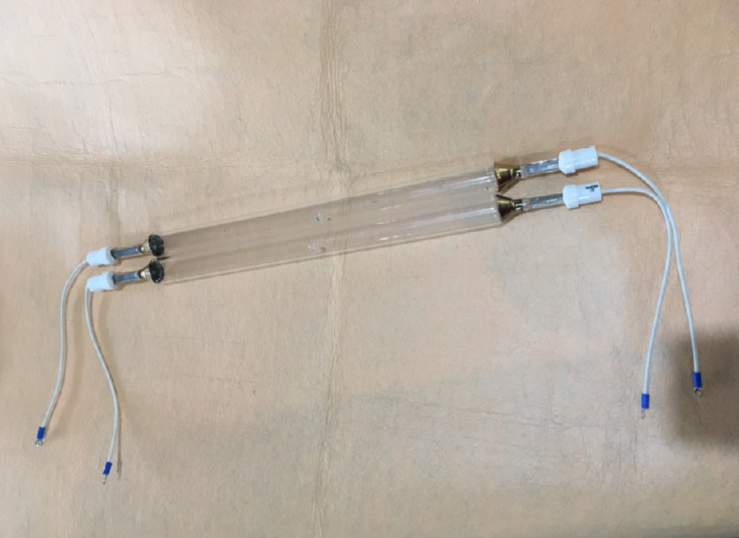
For a long time, industrial UV systems have leaned on mercury-vapor tech. Sure, it gets the job done for curing and sterilization, but it leaves behind a nasty trail of hazardous waste. We decided that wasn’t good enough. We’re moving toward a zero-pollution approach by ditching the toxic fillers and rethinking how the quartz envelope is built so these things actually last.
Why Most Lamps Die (And How We Fixed It)
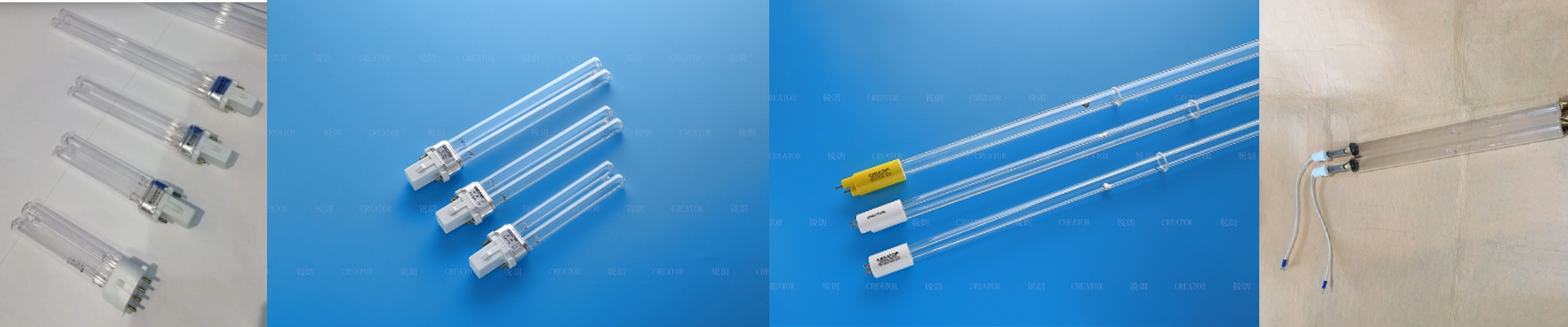
Usually, a UV lamp gives up because the electrodes wear out or the quartz glass gets “cloudy”—what the engineers call solarization. It’s frustrating. You think you’re good to go, but the output just drops. To stop that, we switched to high-purity synthetic quartz. It stays clear. No clouding, no surprises. We also tweaked the gas mix and the shape of the electrodes to take the pressure off the filament. The result? You get a lamp that keeps humming along way longer before you even have to think about replacing it.
Cleaning Up the Hardware
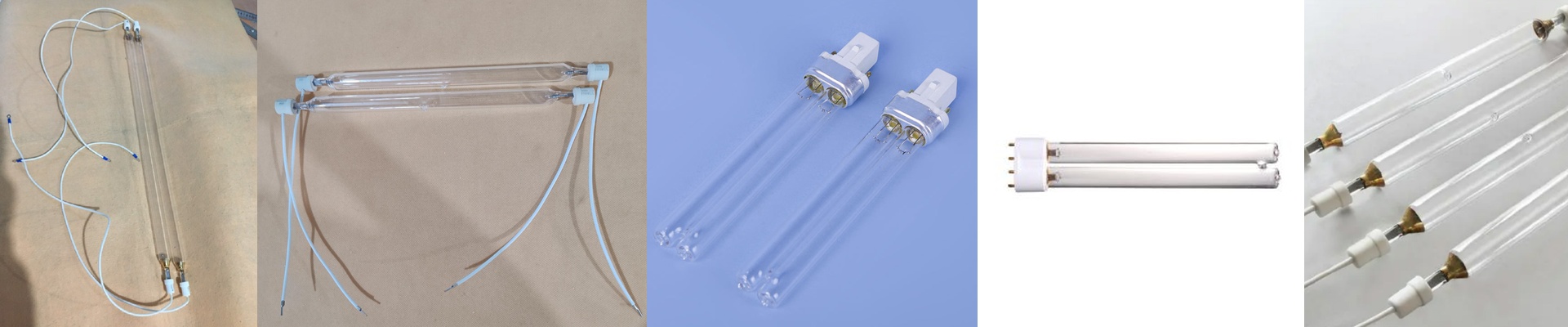
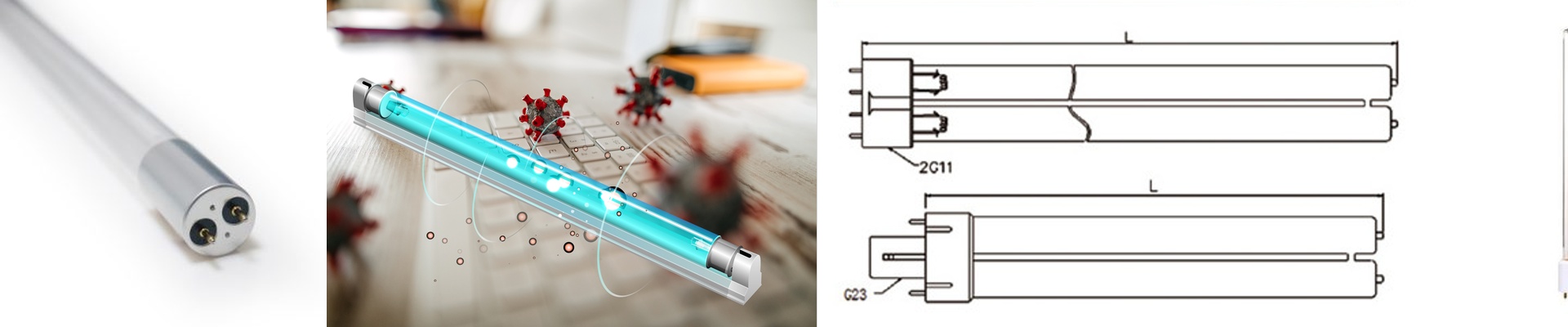
We’ve stripped out the mercury and the parts that create ozone. It’s a simpler, cleaner build. The best part? When the lamp finally hits the end of its life, you don’t have to deal with the headache of specialized hazardous waste disposal. It’s just better for everyone. We’re looking at the whole journey—from the moment it leaves our floor to the moment it hits the scrap heap.
The Practical Stuff
If you’ve already got UV arrays, you’re in luck. These are designed to be drop-in replacements. As long as your voltage and wattage match, you can just wire them into your current ballasts and get moving. But let’s be real about one thing: these eco-friendly, long-life lamps aren’t “instant-on.” They need a little bit of time to warm up before they hit peak power. You’ll want to adjust your conveyor speed or exposure time to account for that ramp-up. If your process absolutely cannot wait, just add a pre-heat circuit to keep the lamps warm and ready to go.