How UV Curing Actually Works (And Why Your Lamps Matter)
At its heart, UV curing is just a fast-acting chemical reaction. You’ve got monomers and oligomers that need a specific kind of light to snap together and harden. That’s where we come in. We build the lamps that trigger that reaction. If you’re running a high-speed line, you can’t have “luck” as a strategy. You need that light to hit the entire web evenly. Otherwise, you end up with wet spots in your ink, and that’s a headache nobody wants.
The Balancing Act: Power vs. Heat
Here is the thing about power: more wattage usually means more irradiance, which lets you crank up your line speed. Sounds great, right? But there’s a catch. More power means more heat. If your cooling system can’t keep up, your lamp’s output will actually start to dip as it gets too hot. It’s a bit of a tug-of-war. We spend a lot of time tweaking the electrode design and the gas fill so the arc stays steady, even when you’re pushing the machine to its limit.
The Gear Under the Hood
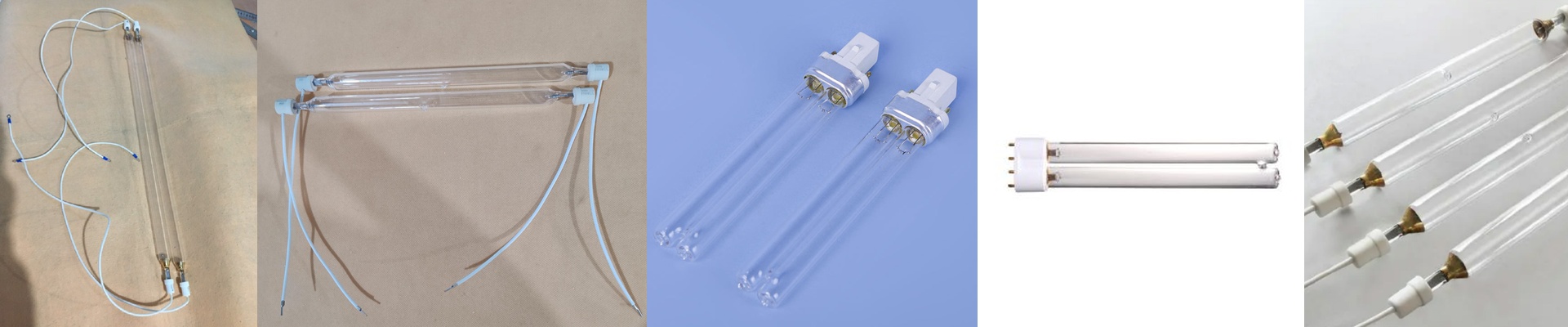
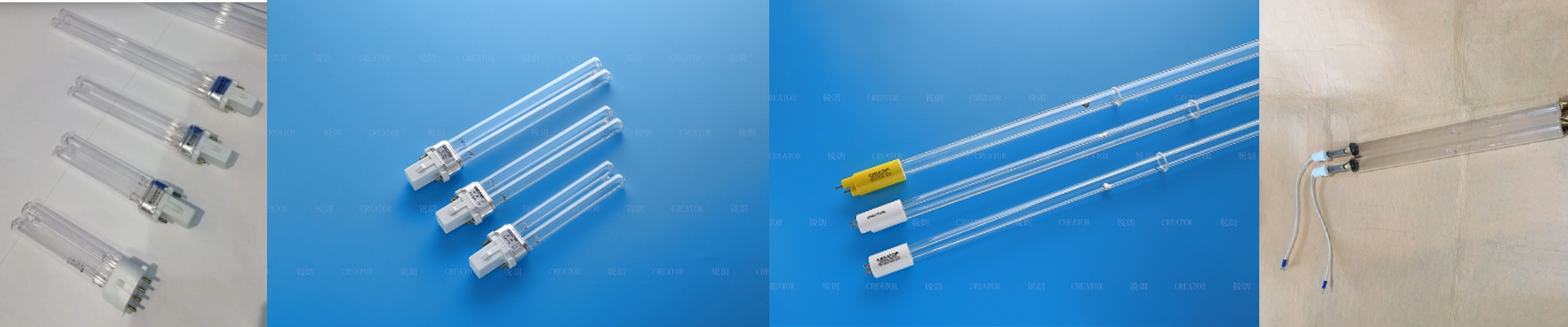
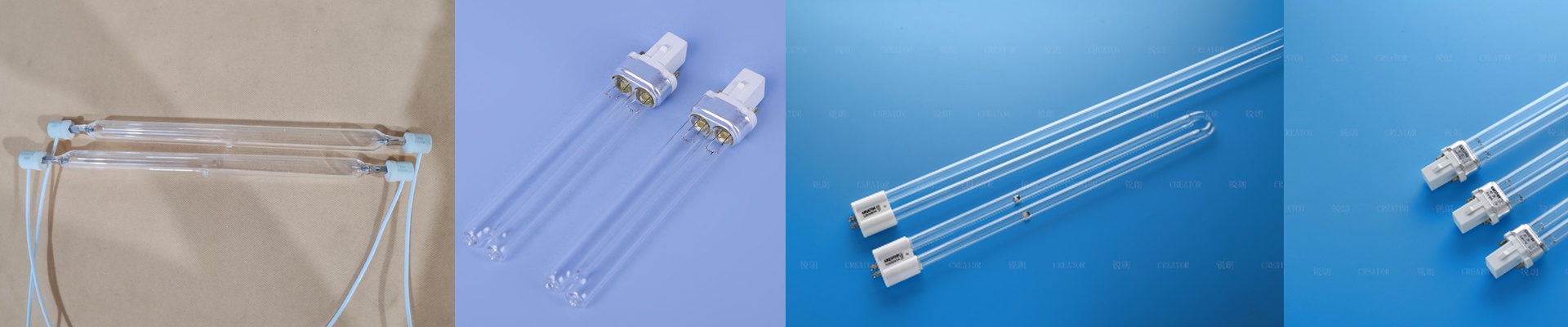
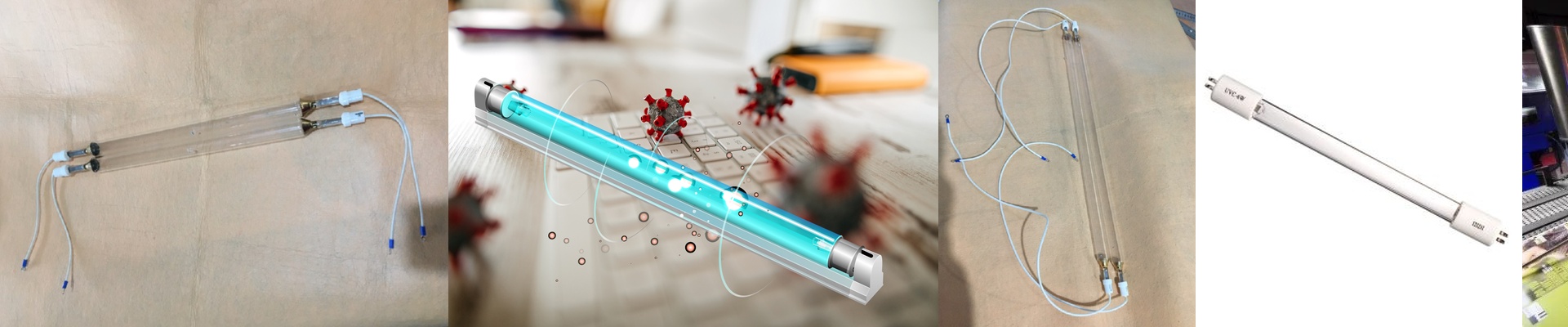
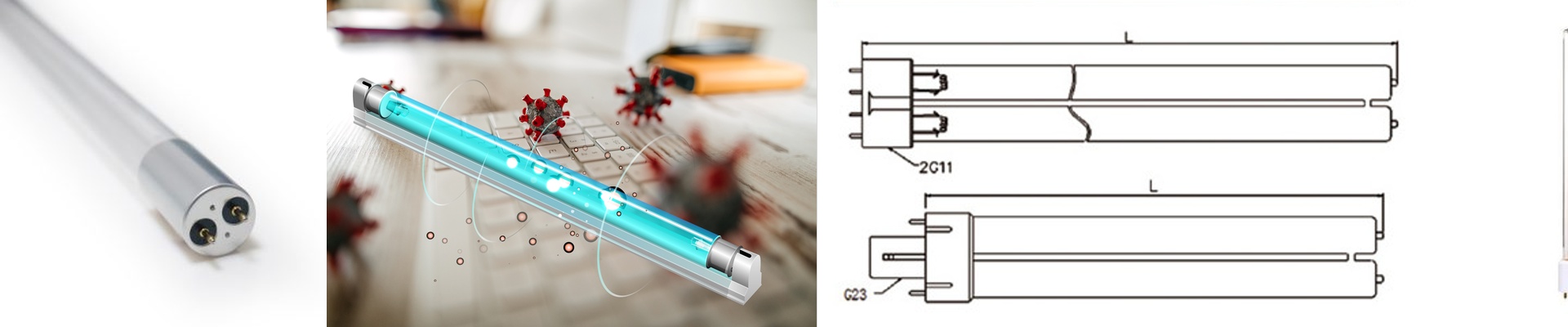
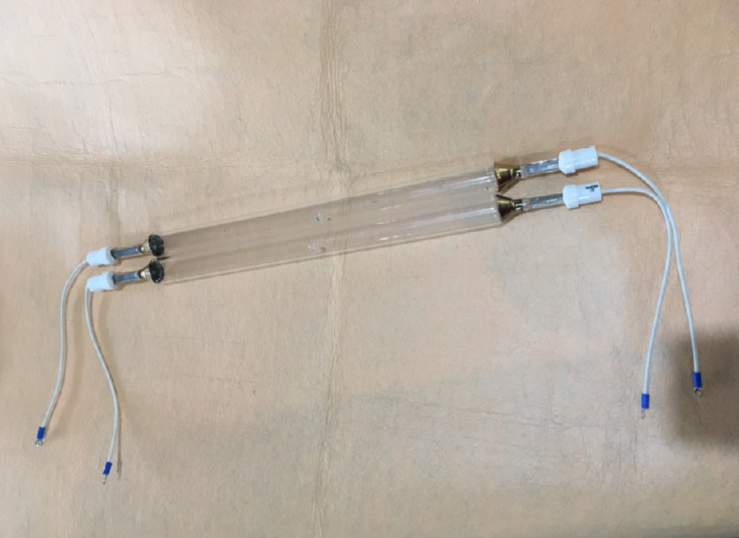
We use high-purity fused quartz for our tubes. Why? Because standard glass is basically a wall that blocks the shortwave radiation you need for a deep cure. Then there are the electrodes. These are usually the first things to give out. To stop them from burning out too early, we use thoriated tungsten or similar alloys. It just means when you hit the power switch, the lamp actually starts. Every single time.
Keeping Things Running
We designed these lamps to be simple drop-in replacements. They should just work with most industrial presses. We’re obsessive about the tolerances on the end-caps. If the fit in the reflector is loose, light leaks out. That’s just wasted energy. One last tip:Keep your tubes clean. Dust or a little bit of ink splatter might not seem like a big deal, but it creates hot spots. Those hot spots can crack the quartz and kill your lamp way before its time. A quick wipe-down keeps your cure rates steady and your lamps living longer.