
We Spent 15 Years in the Shadows. Now, We’re Stepping Out.
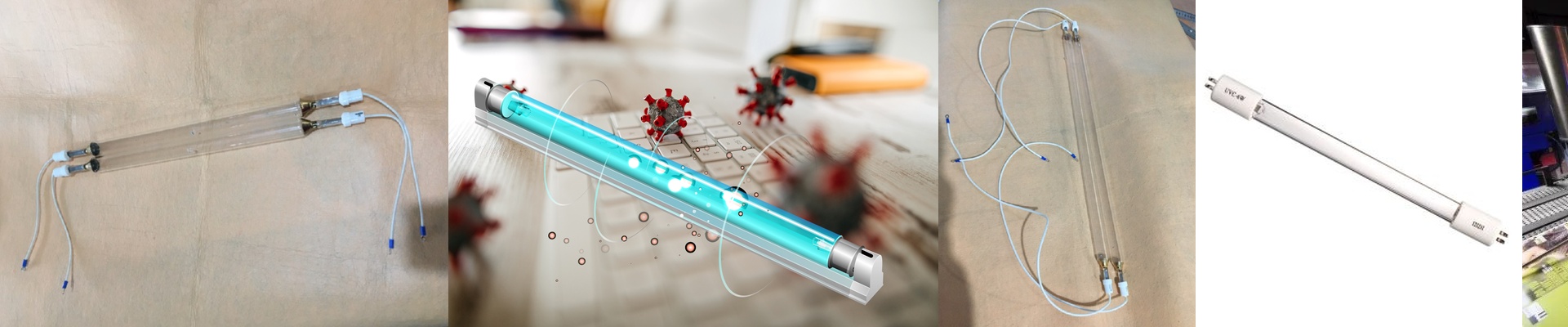
For a long time, we were the “secret weapon” for the biggest names in the UV industry. We spent 15 years as an OEM, basically doing the heavy lifting behind the scenes. During that time, we became obsessed with one thing: why do some lamps give up after 2,000 hours while others keep humming along for 8,000? We spent a decade and a half figuring that out. Now, we’re finally putting our own name on the box.
The Secret to a Lamp That Actually Lasts
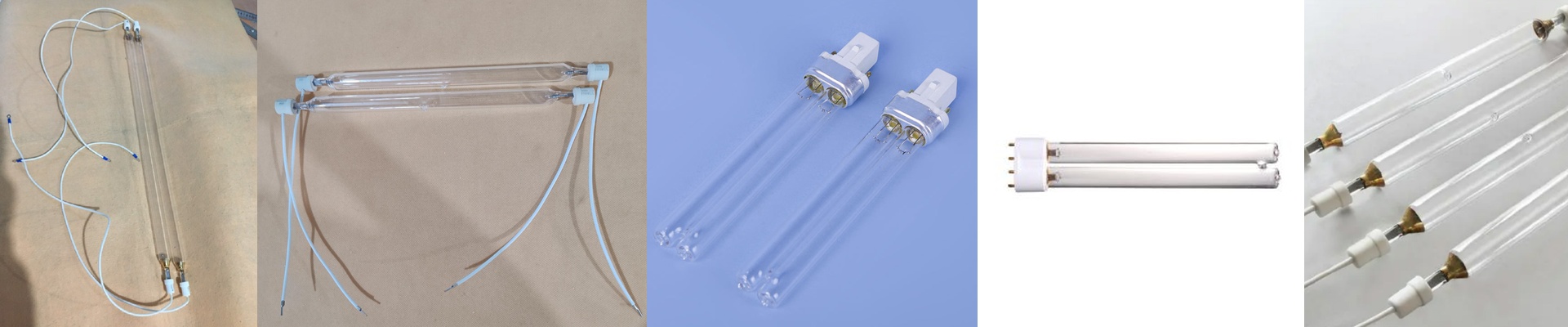
A lot of people think that if you want more power, you just pump in more electricity. But it doesn’t work like that. It’s more of a balancing act. You need the right electrode materials and incredibly pure quartz. If the quartz is cheap or full of impurities, it doesn’t let the UV light through. Instead, it traps that energy, turns it into heat, and—snap—your tube cracks. We also obsess over the seal where the electrode meets the glass. If that seal isn’t perfect, gas leaks out. And once the gas is gone, your lamp is dead. We make sure that doesn’t happen, because when you’re running a high-speed curing line, the last thing you need is a flicker or a sudden drop in power.
The Give-and-Take of High Wattage
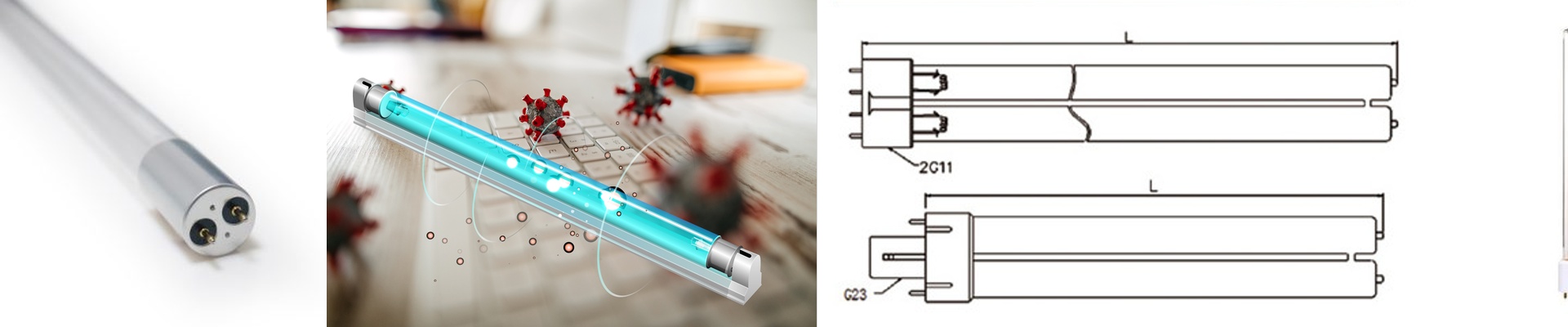
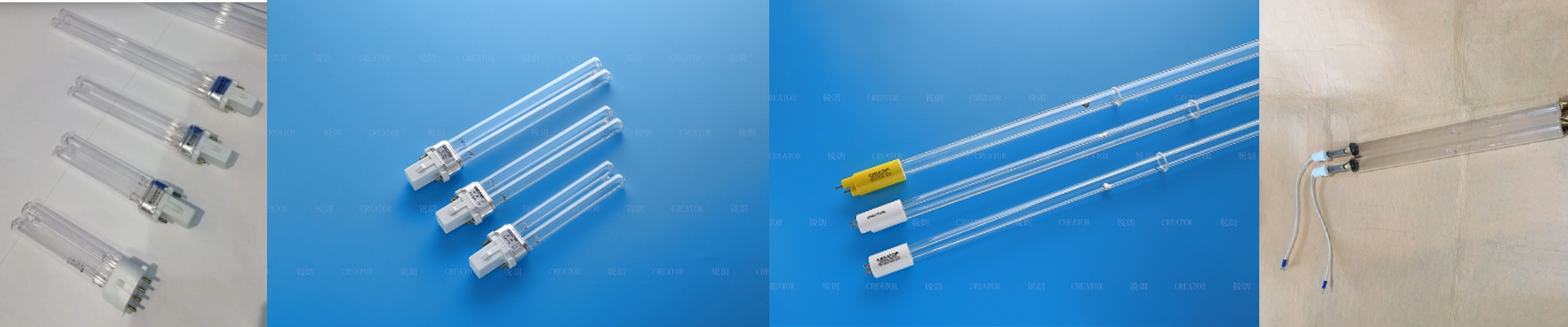
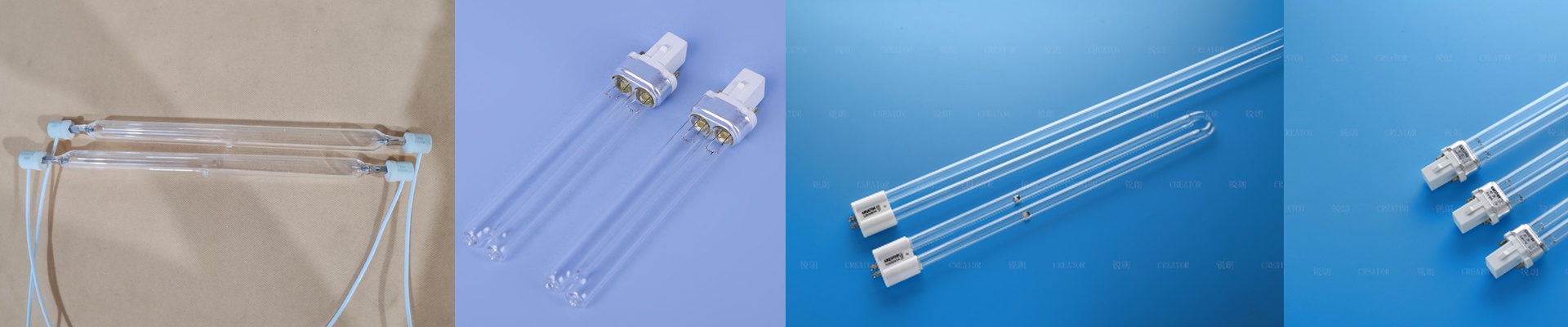
Our lamps are designed to be simple drop-in replacements for the big global brands. They fit the same footprint and play nice with your existing electrical setup. No headaches there. But here is the thing about high-wattage tubes: they are beasts. They give you the intensity you need for thick coatings or crazy-fast line speeds, but they generate a massive amount of heat. If your cooling fans or water jackets aren’t up to the task, the lamp will overheat. And when that happens, your lifespan plummets. You’ve got to make sure your machine can handle the heat before you crank up the wattage.
Built for the Factory Floor
These lamps aren’t meant for a clean lab; they’re built for the grit of a real factory. Whether you’re blowing PET bottles, spraying automotive clear-coats, or working with electronic adhesives, your gear takes a beating. Vibrations, temperature swings, dust—it’s a lot. We’ve tightened our manufacturing so our tolerances are spot on. That means when you swap a bulb, it just works. You won’t find yourself spending an hour tweaking your reflectors just to get things lined up again. You just plug it in and get back to work.