UV Lights in the Mill: More Than Just a Cleaning Tool
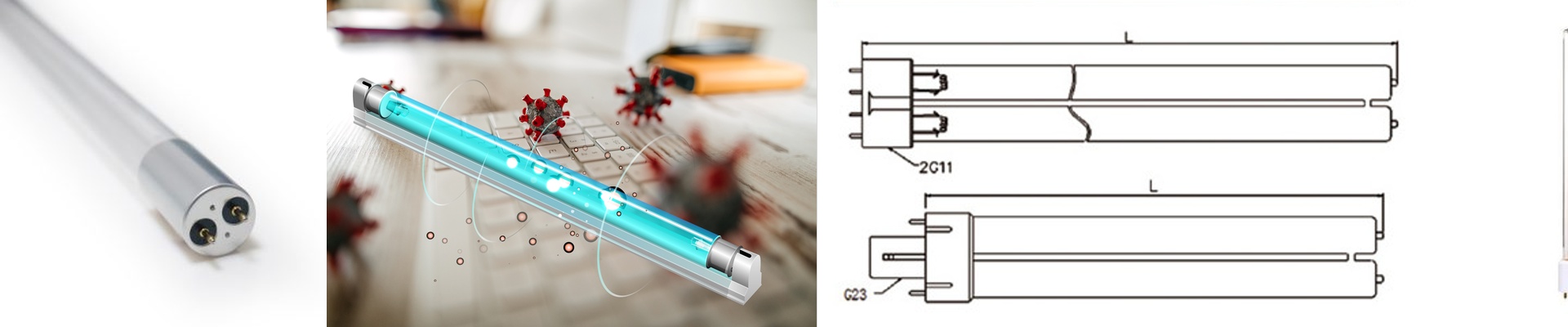
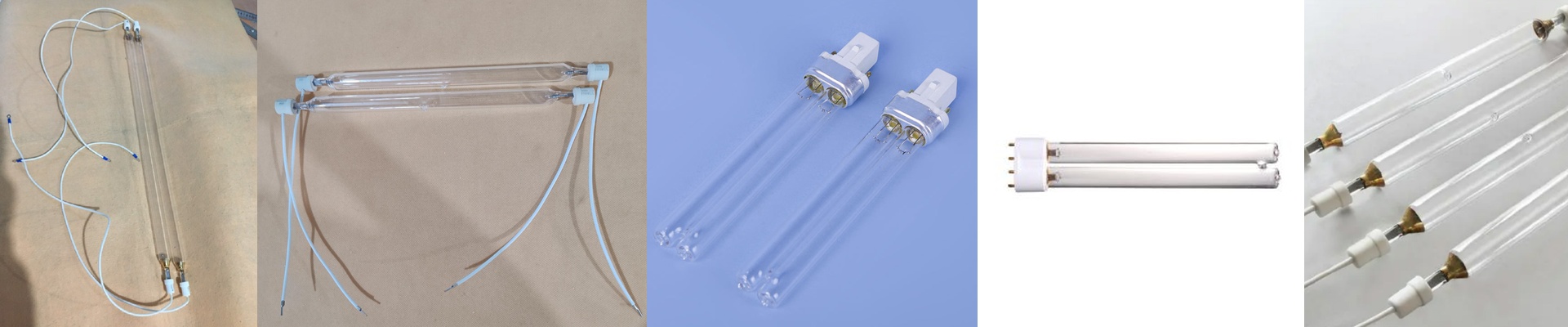
Most people think of UV lamps as something you use to scrub a surface clean. But in a textile mill? They’re basically our secret weapon for chemistry and hygiene. It all starts with a clean slate. Raw fabrics can show up with all sorts of microscopic gunk that can ruin an entire batch or mess up a cleanroom. To stop that, we run the fabric through UV-C arrays. It basically shreds the DNA of those pathogens before the material even touches the dye vat. It’s fast, and it means we aren’t fighting bacteria halfway through production.
Getting the Bond Right
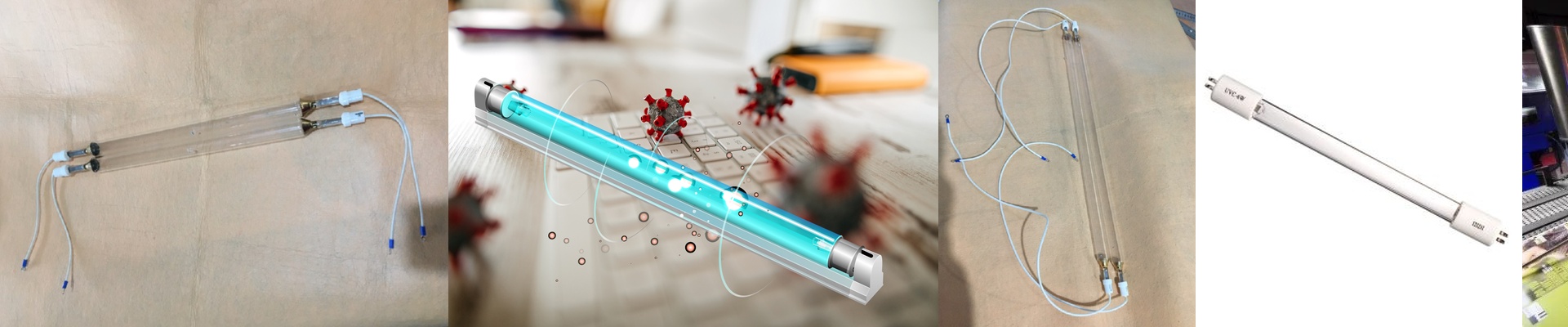
Once we move into printing or coating, the goal changes. We aren’t killing germs anymore; we’re trying to freeze liquid into a solid. We use specific UV wavelengths to trigger a reaction in the ink. It’s almost like magic—liquid resin hits the light and turns into a hard polymer instantly. But here’s the tricky part: you need the right amount of power. If the lamps start to dim or the belt is humming along too fast, the ink won’t cure. You’ll end up with that annoying “tackiness” or, even worse, the print starts peeling off. We obsess over the dosage (mJ/cm²) for a reason. Sure, a higher wattage lamp lets you crank up the line speed, but it generates a ton of heat. If your fans can’t keep up with that heat load, you’ll burn through your bulbs way faster than you’d like.
Where It Actually Happens
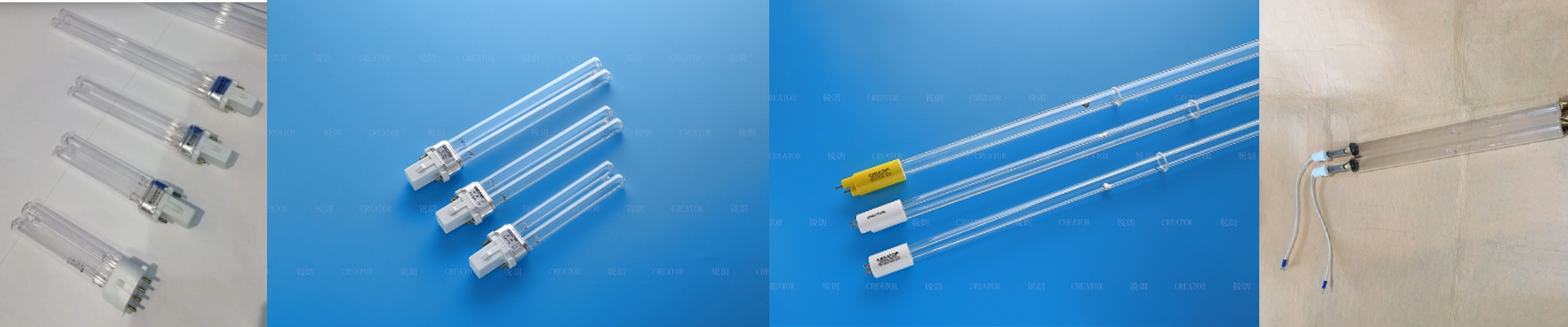
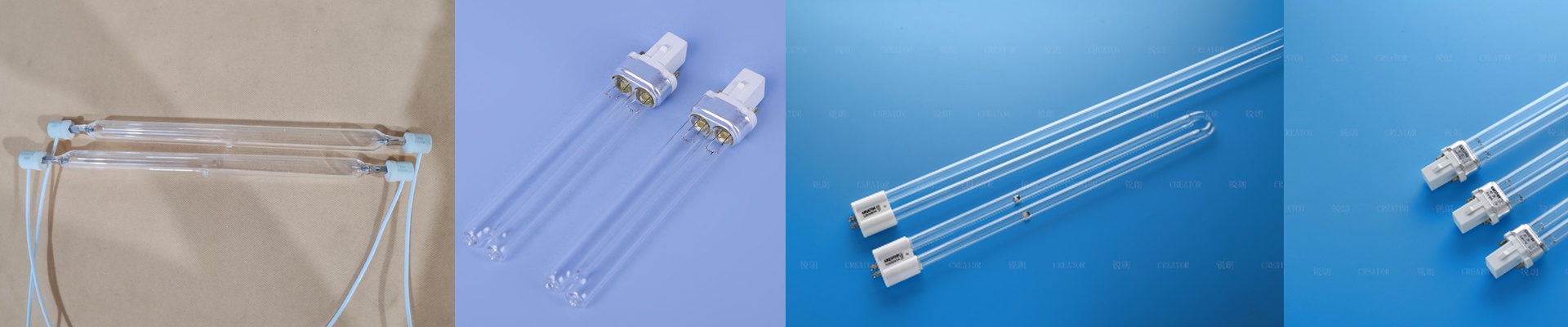
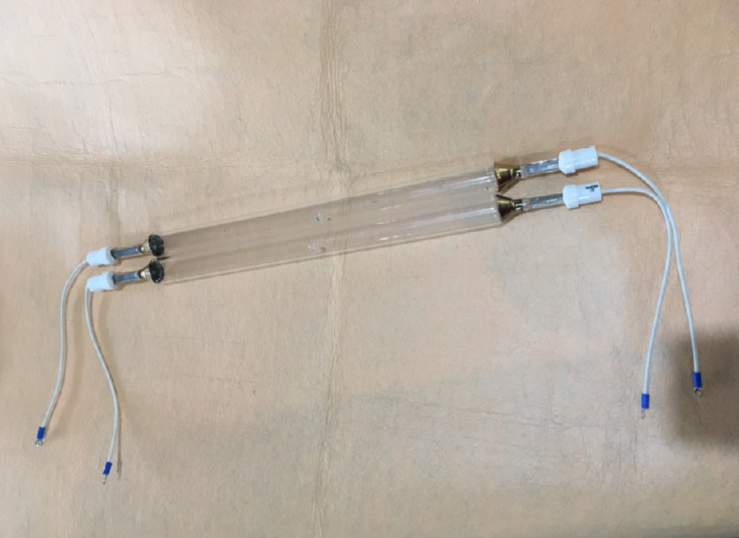
We tuck these lamps into a few different spots in the line: ***The Start:**Sterilizing the raw stuff. ***The Press:**Using UV-curable inks to get those crisp, sharp graphics. ***The Finish:**Adding those hydrophobic or flame-retardant coatings that actually stay put. The setup is pretty straightforward—the lamp length has to match the fabric width. We usually go with modular arrays. That way, if a bulb pops, you just swap it out. You don’t have to kill the whole production line just to change a light. One thing to watch out for, though, is the “sweet spot” with UV-C. While it’s great for killing bacteria, too much of it can actually eat away at synthetic fibers. You have to balance the time the fabric spends under the light. Get it right, and it’s sterile. Get it wrong, and you’ve weakened the garment.