Getting UV Curing Right in Your Textile Line
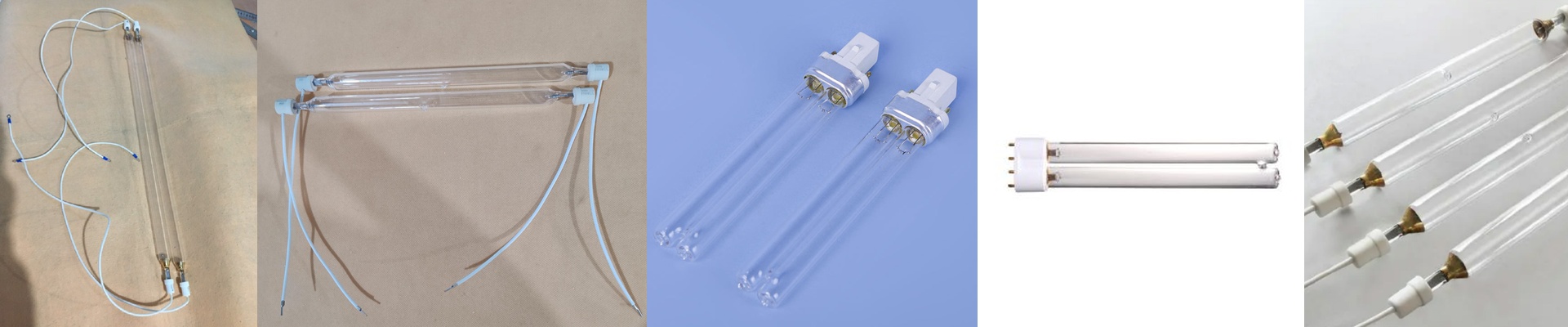
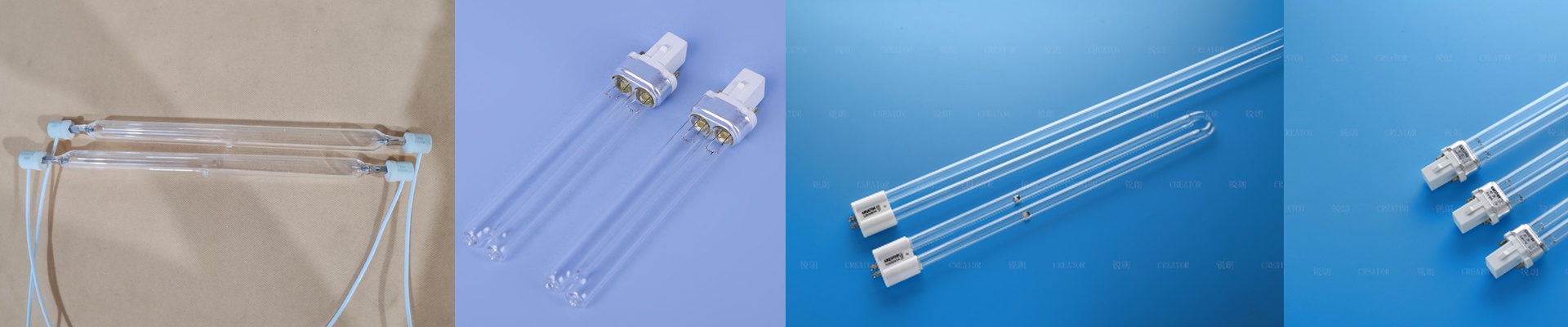
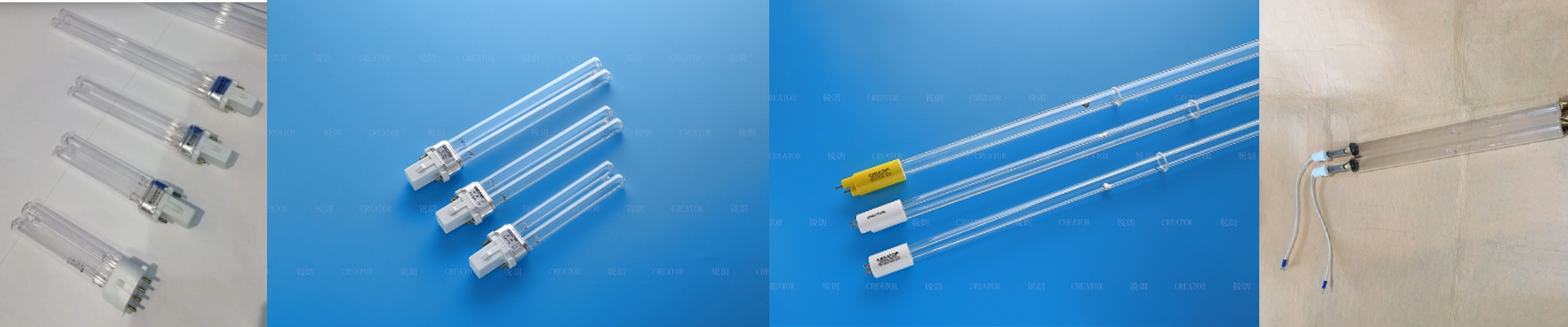
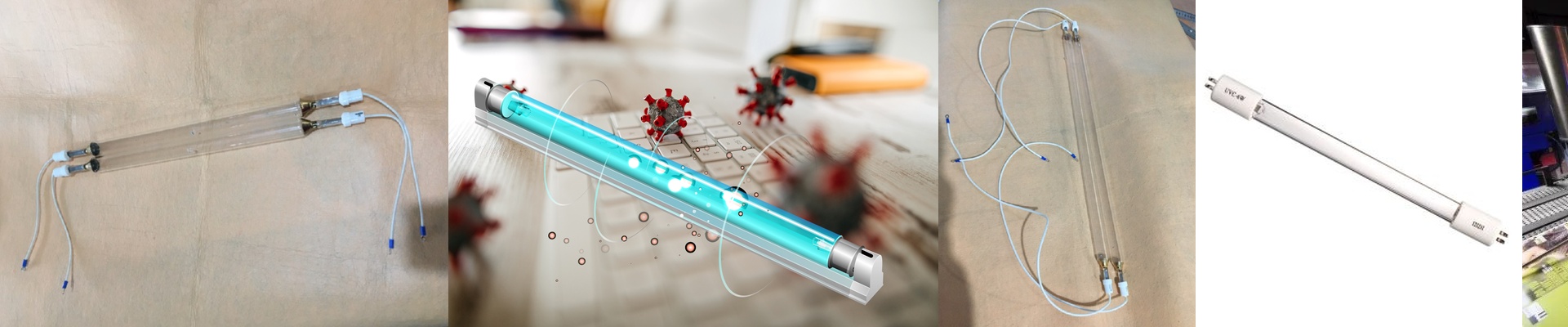
When you’re running an automated textile line, those UV lamps are doing a lot more than just shining light. They’re basically the “glue” that makes the whole process work. They snap the ink into a solid state the second it hits the fabric, which means no smudges and a print that actually stays put. Finding the Sweet Spot Here’s the thing about power: it’s all a balancing act. If your wattage is too low, the ink stays tacky. That’s a nightmare because you’ll end up with ruined fabric and a messy conveyor. But if you crank it up too high? You’ll scorch the material or end up with this weird yellow tint. We spend a lot of time tweaking the voltage and current. The goal is a steady, even glow across the entire width of the belt, regardless of how fast the fabric is flying by. The Hardware Side of Things The heart of the system is the quartz envelope. We use high-purity fused quartz because it lets the UV light through without blocking it. But these things gethot. Seriously hot. To stop them from burning out, we build in cooling fans or water-cooled jackets. You also need a rock-solid power supply. One big voltage spike and you’ve popped a filament, which is the last thing you want in the middle of a big run. Real-World Setup In a real factory, space is tight. You can’t have bulky equipment getting in the way. We design the mounts so you can swap out a dead tube in a flash. No one wants to shut down the entire line for hours just to change a bulb. Just a heads-up: while blasting the ink with high intensity speeds things up, it can mess with the ink’s chemistry. You’ve got to sync your belt speed with the lamp’s output perfectly. And please, don’t skimp on the cooling. If the heat load is too high, your lamps are going to die a lot faster than they should.