Getting the Most Out of Your Mercury UV Lamps
When we build these lamps, we aren’t just trying to get them to “turn on.” We’re aiming for a very specific window of light. In the world of mercury discharge, there’s a huge gap between a basic lamp and a precision tool. For us, it all comes down to spectral energy concentration. We aim for a 0.5% threshold. Why? Because you don’t want your energy turning into wasted heat. You want those photons hitting your resin’s photoinitiators or a pathogen’s DNA with total precision. It’s the difference between a flashlight and a laser.
Taming the Arc
Getting to that 0.5% mark is a bit of a battle. First, we have to be obsessive about the quartz envelope. If the quartz is “dirty” or has too many impurities, it just eats the shortwave UV. That shifts your spectrum and kills your output. We spend a lot of time spec-ing out tubes that don’t get in their own way. Then there’s the electrodes. We use a specific tungsten alloy to stop “spitting”—that annoying erosion that happens over time. When an electrode starts to go, the arc begins to wander. And a wandering arc is a nightmare for your energy concentration.
The Heat Struggle
Here’s the tricky part: pushing for high spectral density creates a ton of heat. To keep that 0.5% concentration, the lamp has to stay at a very specific temperature. If it’s too cold, the mercury won’t vaporize. Too hot? The spectral lines broaden and you lose that precision you paid for. You’ll need a cooling system that keeps the lamp jacket within a tight 5-degree window. If your airflow is patchy, your energy concentration will drift. Simple as that.
Making it Work on the Floor
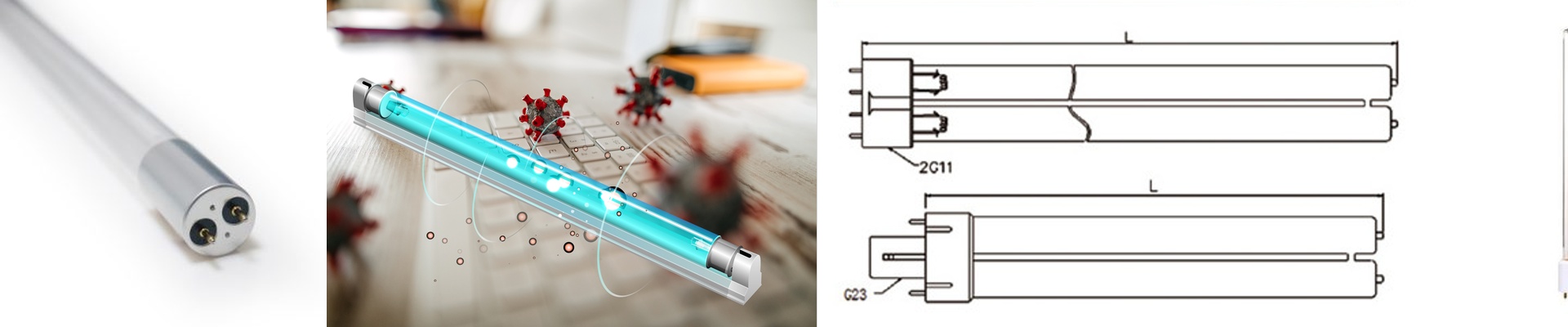
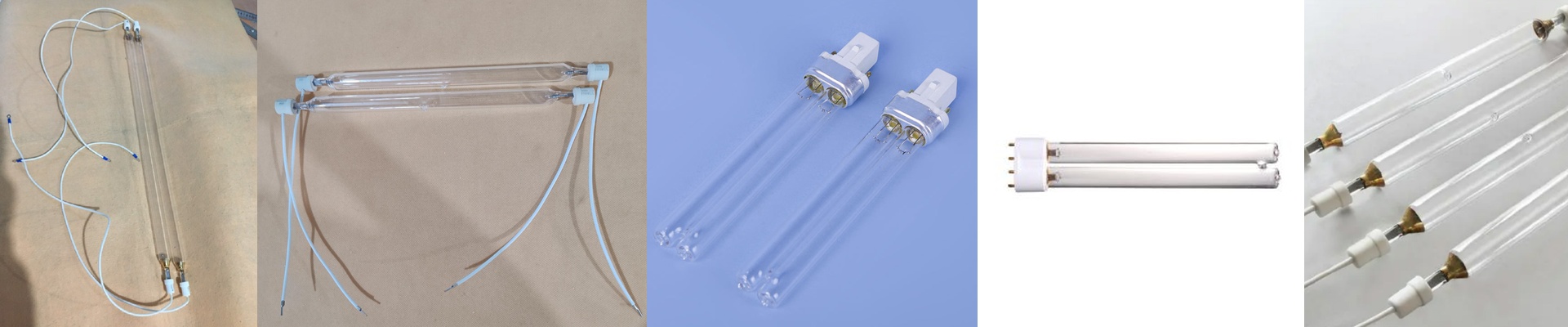
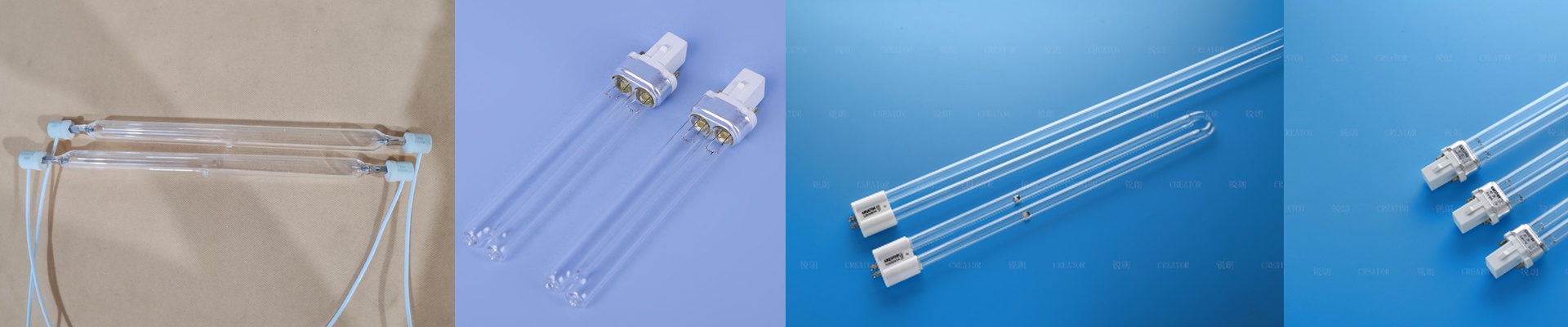
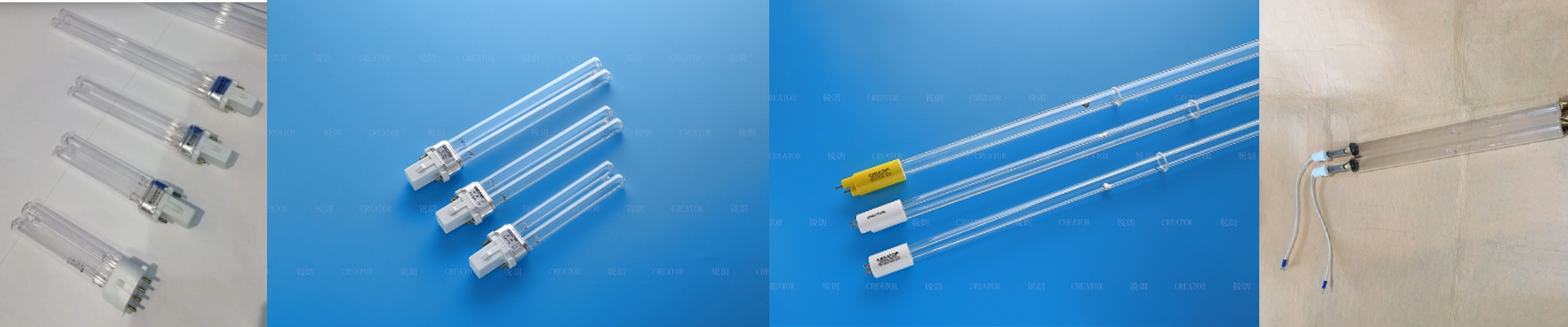
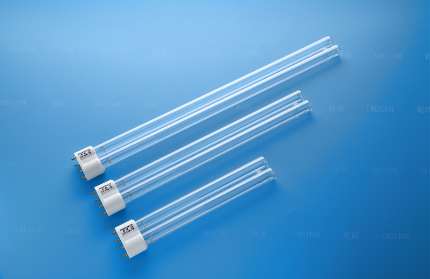
We designed these to be drop-in replacements for high-precision curing lines. We make sure the pin alignment is dead-on so you don’t have to deal with arcing at the socket. Just one tip: wire it up to a stable power supply. Any voltage ripple makes the arc flicker. That flicker shifts your spectral output and, before you know it, your line speed starts to drop.