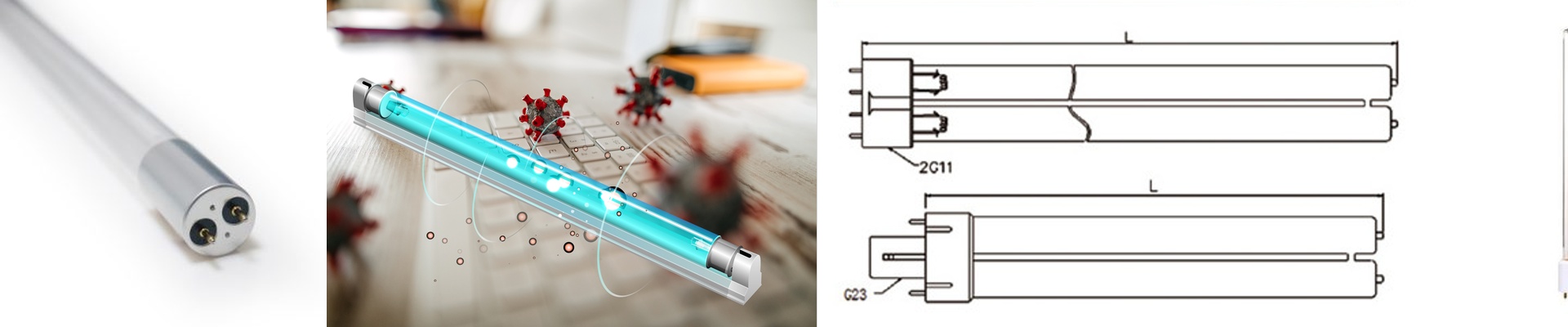
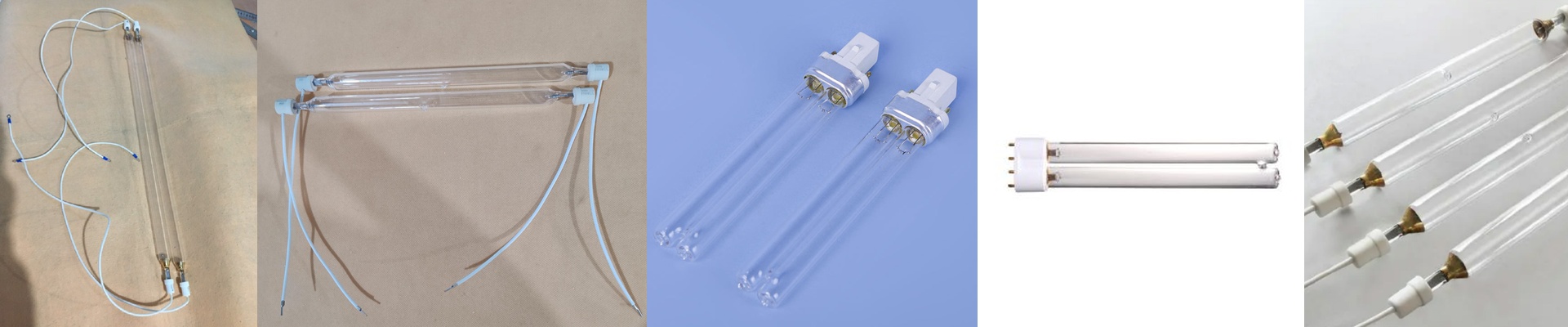
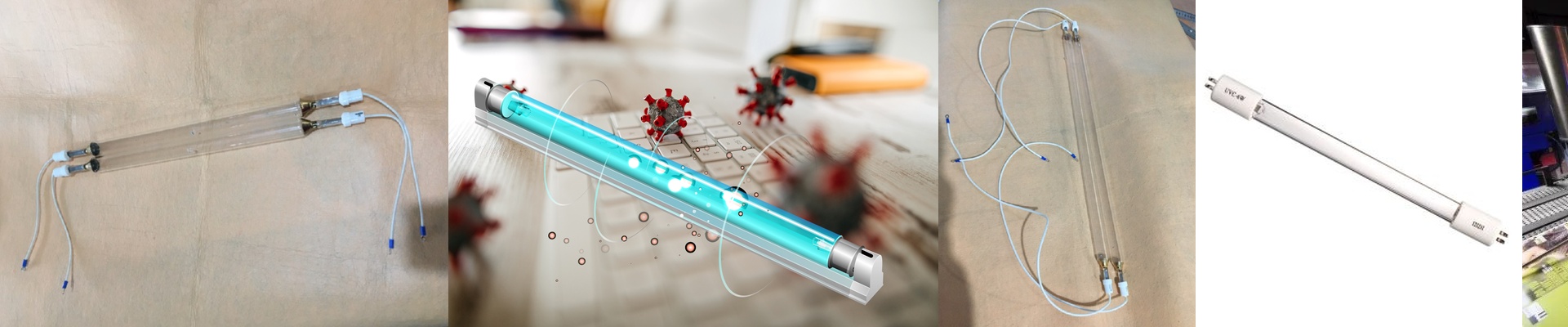
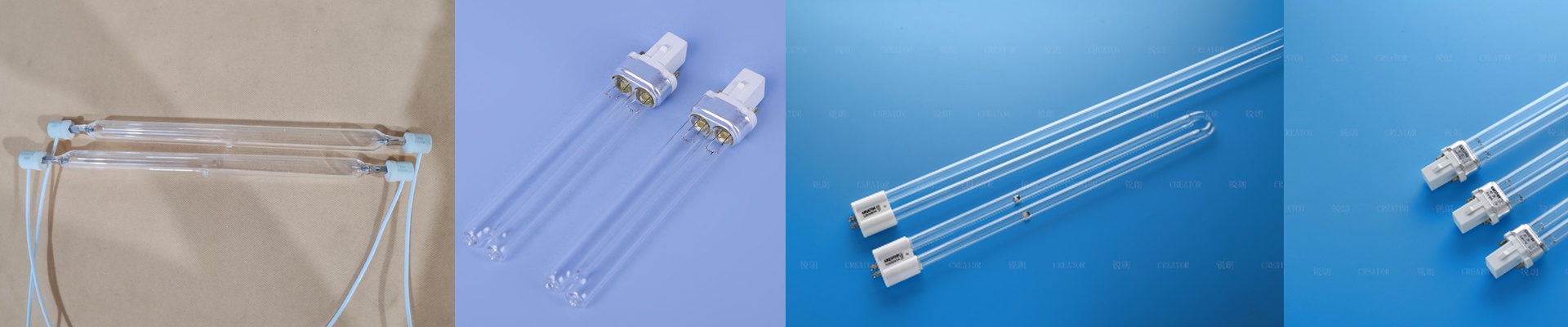
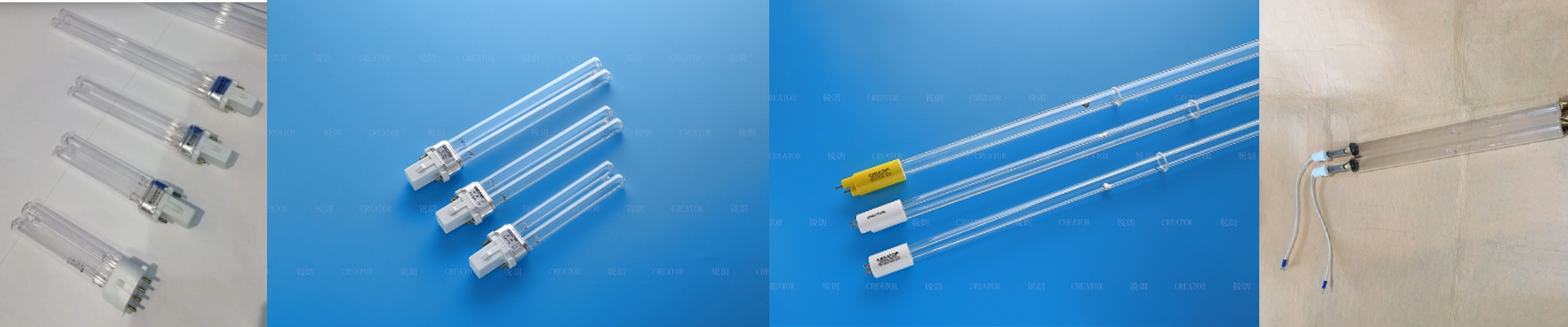
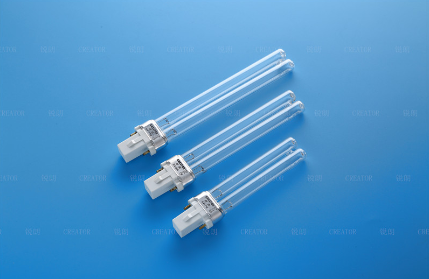
Out on the press floor, a UV lamp that’s supposed to be 365nm-dominant but falls short doesn’t just drag down throughput. It leaves you with uncured ink, adhesion that fails, and scrap that rework won’t fix. When your high-pressure mercury vapor system is expected to hold peak irradiance for thousands of hours, lamp selection is straight-up engineering—not a hunch. Here’s what matters under the hood. Western Quartz builds this UV lamp around a high-purity quartz envelope, sized and tuned for stable mercury vapor discharge and repeatable spectral output. In real life, that translates to consistent 365nm dominance for deep through-cure on thick ink and coating layers, backed by a balanced UVA profile that drives surface cure without cooking the substrate. At the arc distances you see in typical offset, flexo, and screen curing stations, the lamp hits high peak irradiance, so the photoinitiators in your ink system cross-link fast and clean. The reflector stays efficient thanks to a dichroic coating that bounces UV back onto the substrate while managing infrared—helping you keep substrate temperature in line. Why this matters in industrial printing: uptime and repeatability make or break yield. This lamp gives you a faster curing window without giving up cure depth. That means higher press speeds and fewer stops to chase quality. Energy use drops because you spend less time idling and less time re-running jobs that came off marginal. You can count on stable output across the lamp life curve, with units routinely running 5,000+ hours while keeping spectral stability tight—so your cure profile doesn’t drift in the middle of a run. A few field-proven details to keep it honest. Match the lamp to the fixture—arc length, end fittings, and reflector geometry have to line up. The lamp performs best when the power supply and reflector are clean and positioned correctly; even a little misalignment drops irradiance and shortens life. Run it in a well-ventilated chamber to prevent heat buildup and protect the quartz envelope. And for ozone, confirm whether your unit is ozone-free or ozone-generating, then route airflow accordingly.