Keeping Things Safe with UV Lamps in Textile Printing
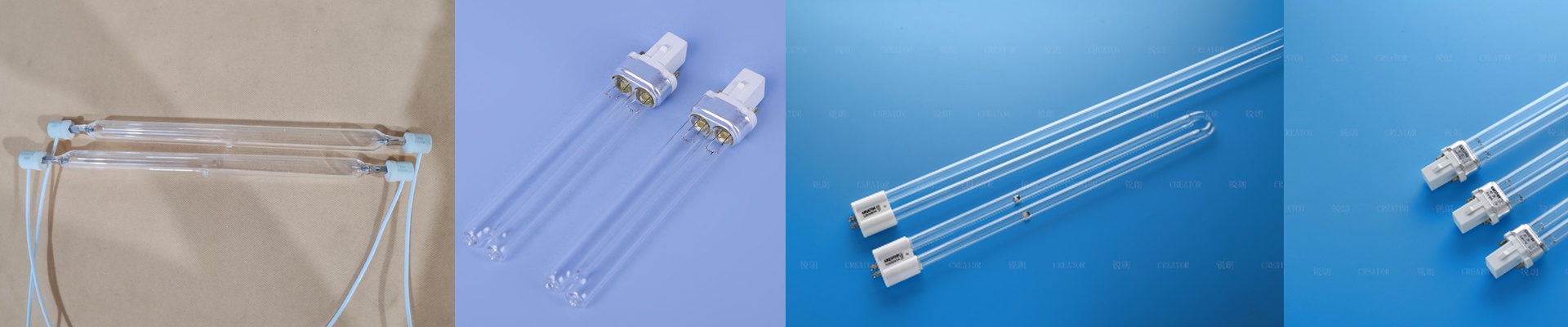
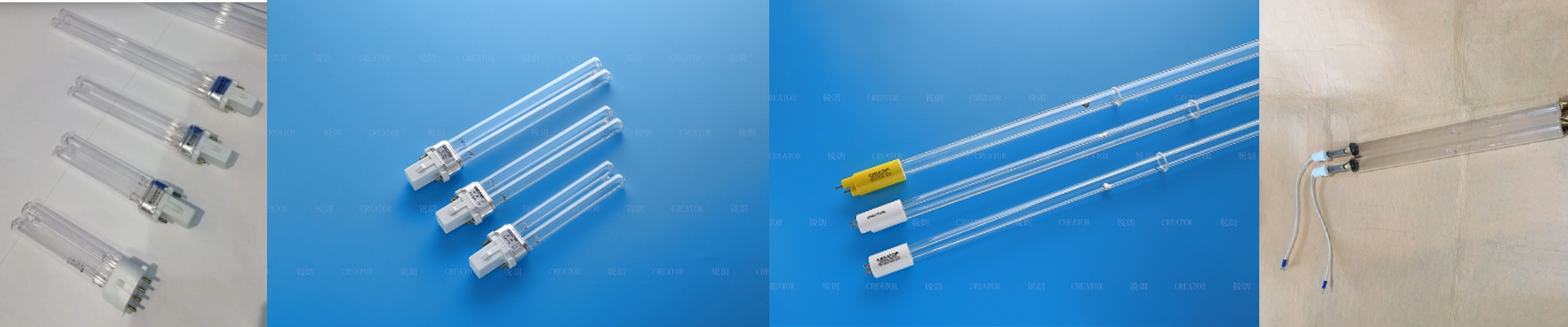
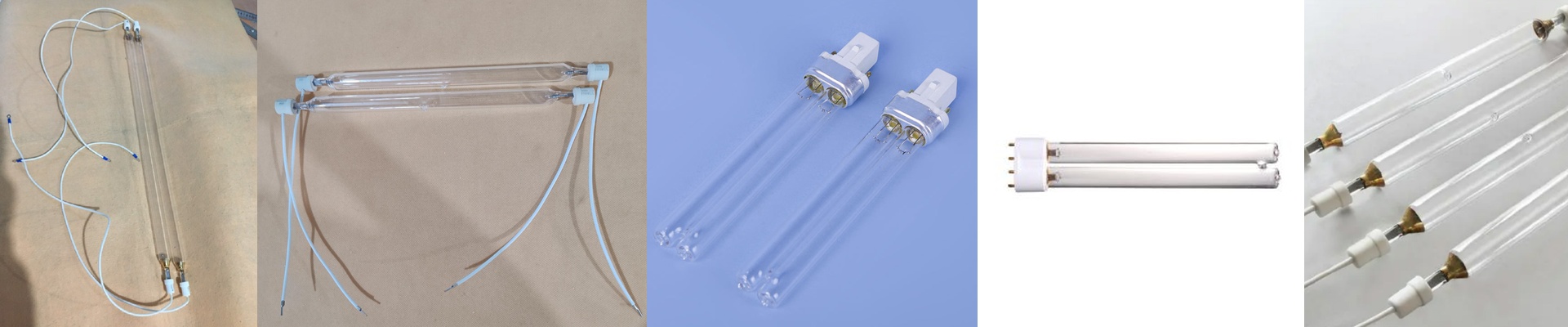
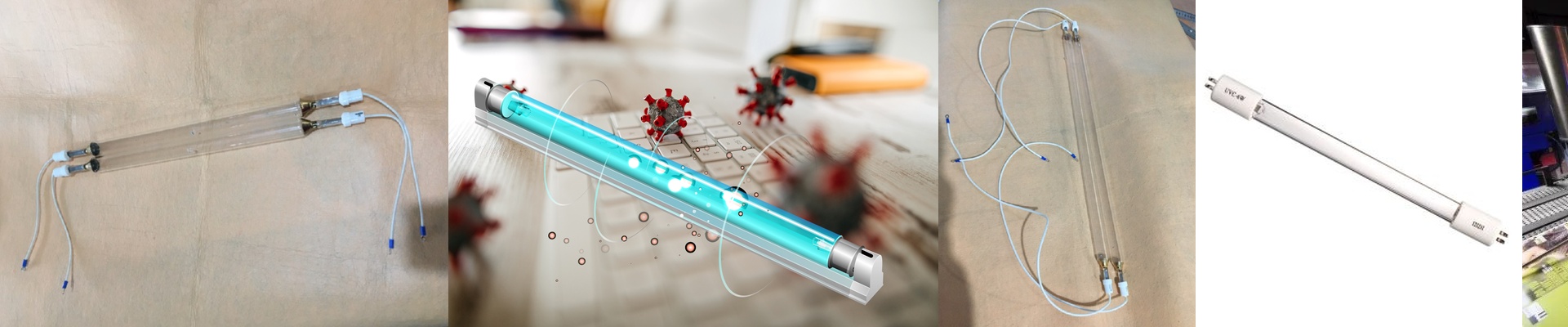
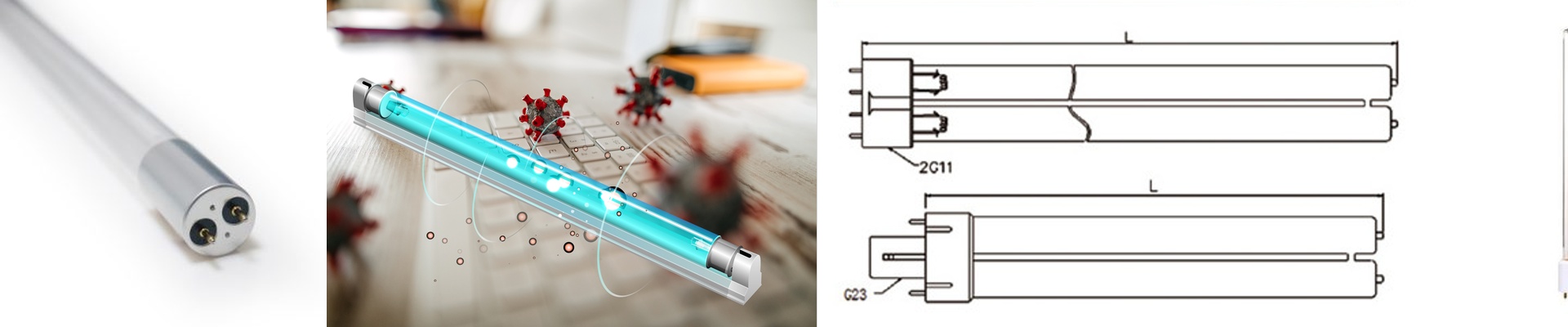
We use UV-C germicidal lamps in our textile printing for a few reasons. Sure, they kill germs, but they also help the ink cure properly and keep delicate fabrics from breaking down. But here’s the thing: you’re dealing with high-energy radiation. If you aren’t careful, you can hurt your team or ruin your materials.
Getting the Power Right
Most of our tubes hit that 253.7 nm sweet spot. That’s the frequency that actually breaks down the DNA of microbes. But you have to be careful with the intensity. If you crank up the wattage just to make the line move faster, you’ll end up scorching the fibers. Or worse, your crisp white fabrics will start turning a nasty yellow. It’s a balancing act. You want it clean, but not burnt.
Shielding and Safety
You can’t just leave these lamps exposed. That’s a recipe for disaster. We use aluminum reflectors in the housings. They push the light exactly where it needs to go—onto the fabric—and keep it from leaking out. And we never skip the interlock switches. The second a technician opens an access panel, the power has to cut out. Period. Oh, and don’t try to use regular glass for viewing ports. It doesn’t work. We use UV-opaque polycarbonate because it actually blocks the UVC rays.
Dealing with Ozone
Depending on the quartz you pick, you might be dealing with ozone. Lamps that run at 185 nm create O3 from the air. It’s actually pretty handy for getting into the folds of the fabric where the light can’t hit directly. But there’s a catch. Ozone is corrosive. If you don’t have a solid exhaust system pulling that gas out of the room, it’ll start eating through your metal frames and wiring insulation. Keep the air moving, or your machines will literally start to rot from the inside out.