Stop the Squeal: Why IR Heating Actually Works
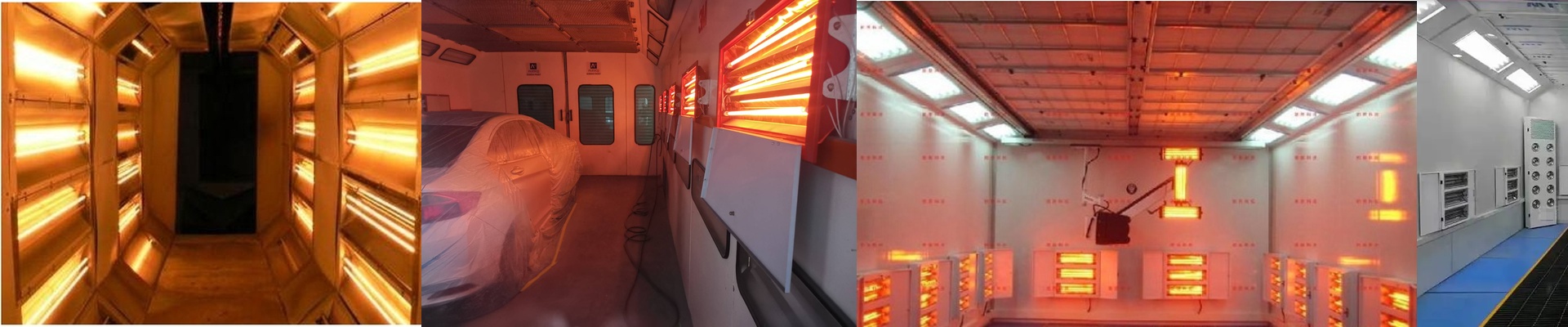
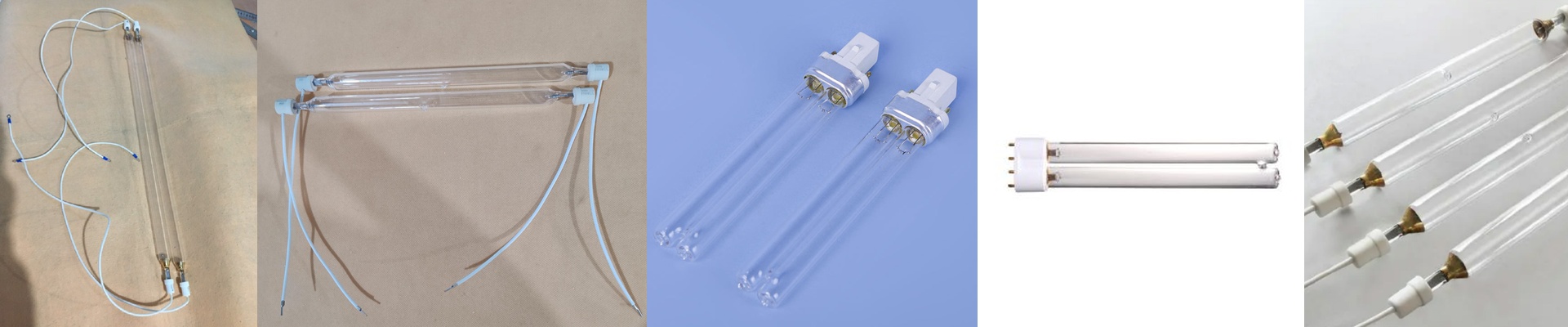
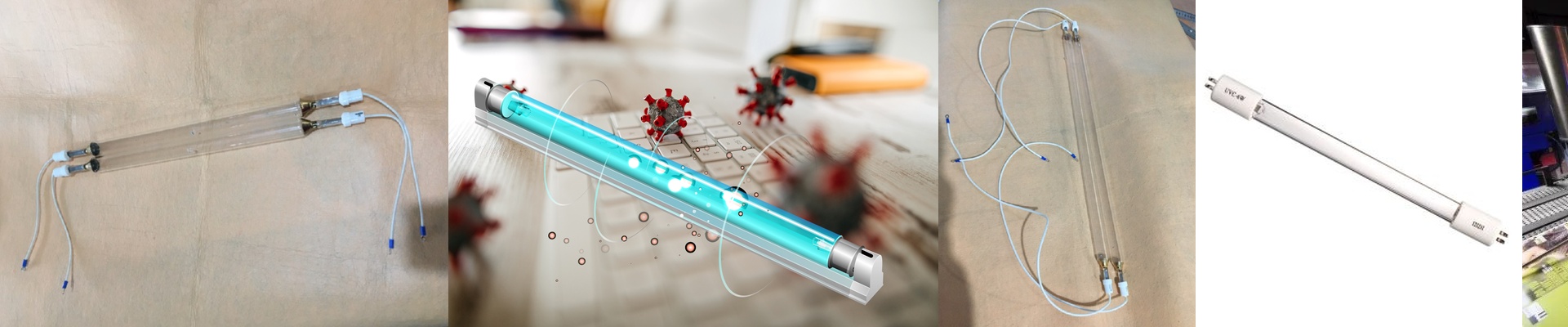
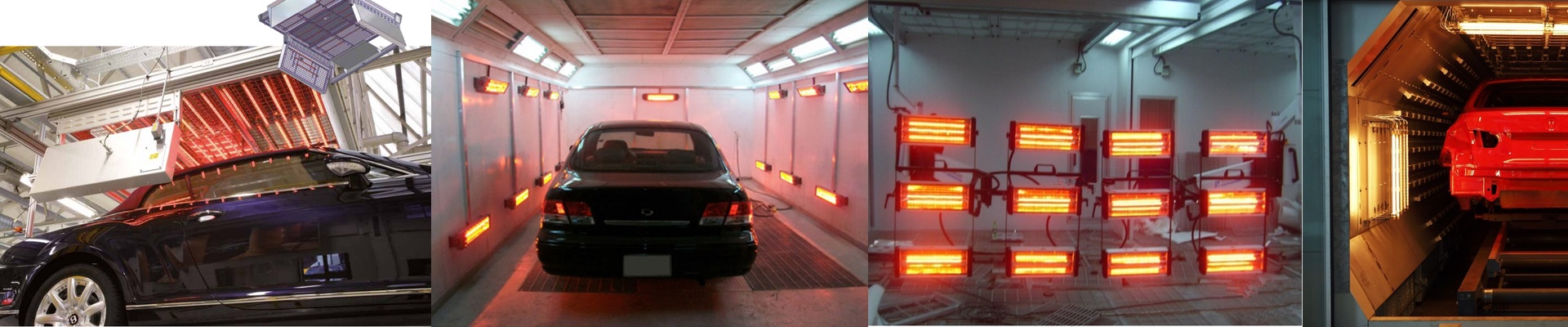
Nobody likes a noisy brake pad. That high-pitched squeal usually comes down to one thing: the material didn’t cure evenly. If you’re using old-school convection ovens, you’re basically waiting for heat to crawl from the outside in. By the time the core of the pad is actually cooked, the surface is overdone. This leaves you with a mess of internal stress and weird density gaps. When those pads hit a rotor, they vibrate. And that vibration is exactly what you hear as that annoying noise. Getting the heat where it matters We handle this differently using short-wave infrared (IR). Think of it like this: instead of heating the air around the part, IR goes straight through the surface. It hits the core of the brake pad at the same time it hits the outside. You get a consistent, solid cure from top to bottom. When the material is uniform, the structural glitches that cause the squealing just disappear. The trick to doing it right You can’t just throw some lamps at the parts and hope for the best. You need high-intensity emitters and a layout that covers every inch. But here is the catch: you can’t just blast them with maximum heat right out of the gate. If you do, you’ll blister the surface before the center even warms up. The secret is a staged approach. We start with a high-intensity burst to get the heat deep inside, then let it “soak” for a bit to stabilize. It’s a much gentler way to get a perfect result. What this looks like on the floor The biggest win? Your cycle times drop. You aren’t wasting hours waiting for a giant box of hot air to do its job. You’re heating the part directly. It’s fast. Really fast. Just remember that IR is line-of-sight. If your parts are stacked or something is blocking the light, you’ll end up with cold spots. You have to be smart about where the emitters go to make sure every square millimeter gets hit. And obviously, keep the shielding tight. You want the heat on the pads, not on your operators.