Stopping the “Snap Back” in Car Interiors
Ever pull a part out of the mold only to watch it warp right in front of you? It’s frustrating. You spent all that time on the setup, but because the internal stresses didn’t balance out during heating, the part just decides to move. Usually, it’s because the heat didn’t hit every curve and corner exactly right. If one spot is too cold or the cooling happens too fast, you get that annoying spring-back.
Why “One-Size-Fits-All” Heating Fails
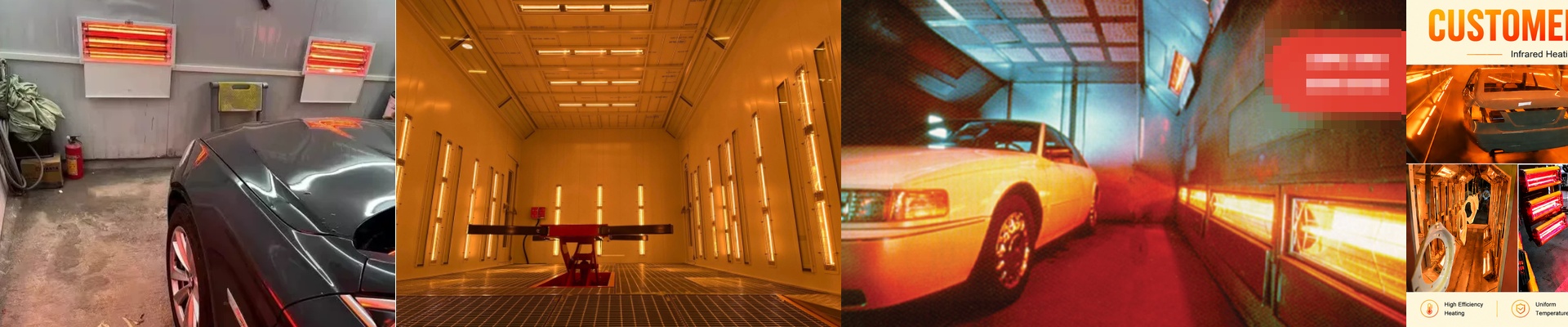
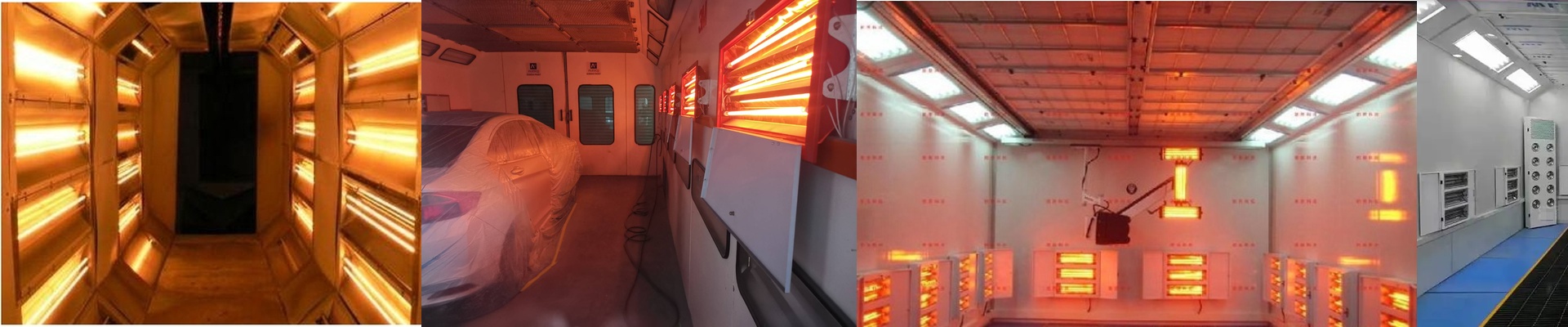
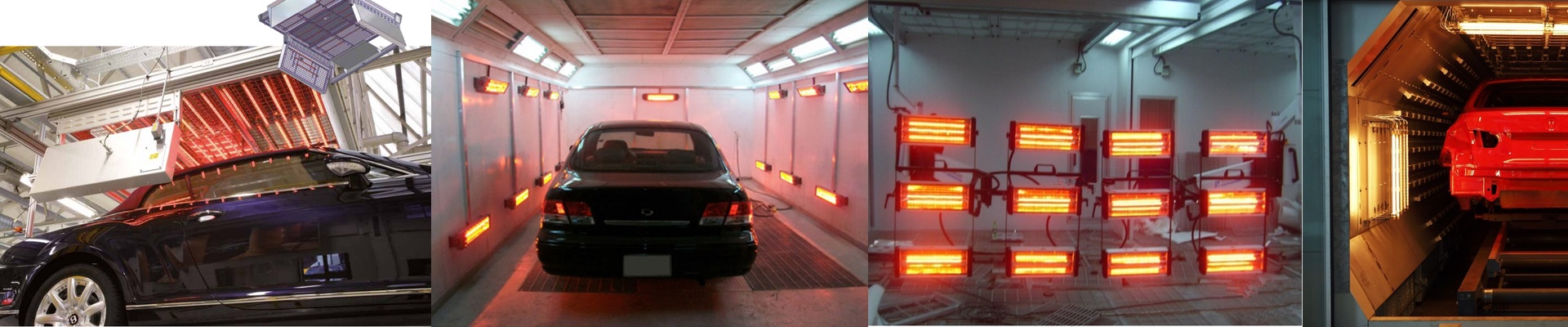
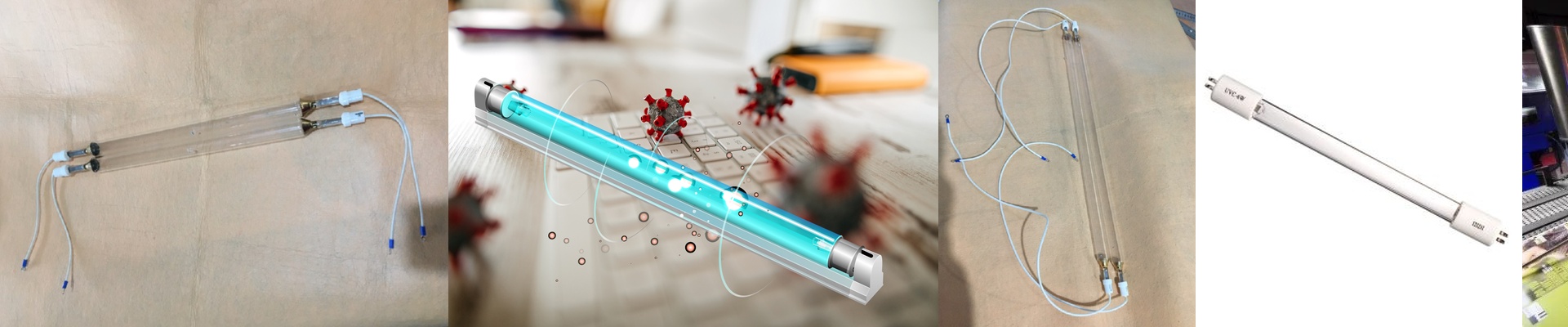
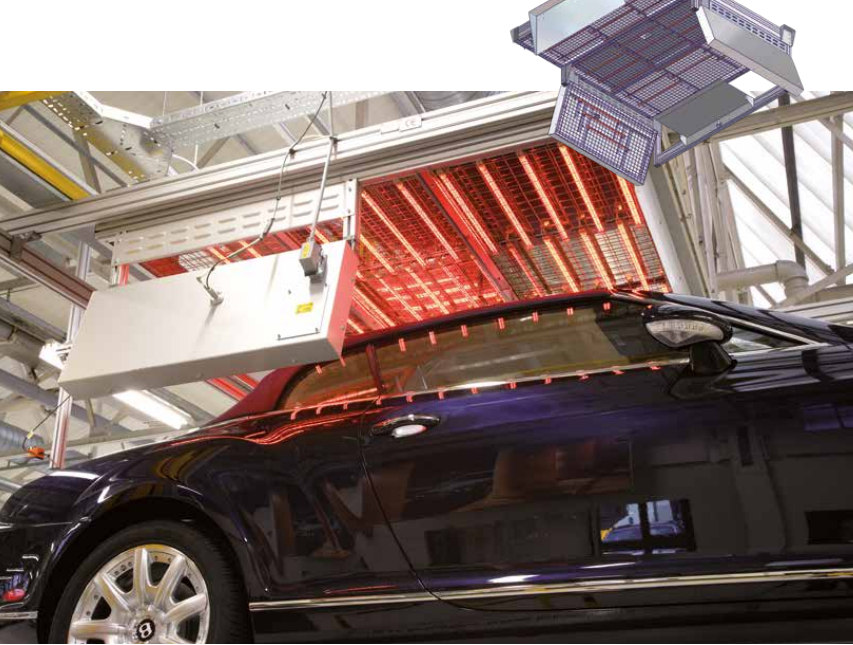
Most people try to heat everything uniformly. But here’s the thing: car parts aren’t uniform. You’ve got thick ribs and heavy mounting points sitting right next to thin walls. If you blast them all with the same heat, you’re going to fry the thin sections before the thick parts even get soft. We handle this with zoned infrared (IR) setups. Instead of one big heat source, we split the array into independent zones. This lets you pump more energy into the heavy-duty areas and dial it back on the edges. It’s like using a precision tool instead of a sledgehammer.
Getting the Shape to Actually Stay
If you want a part that stays put, you have to nail the heat soak. When you control the heat this precisely, you get rid of that residual tension. No more “snapping back” after ejection. Plus, we use short-wave IR. It ramps up fast. Really fast. And that keeps your cycle times from bloating.
The Catch (Because there’s always one)
Now, there is a trade-off. High-density IR arrays are powerful, but they put a massive heat load on your machine frame. If you go with a high-wattage zoned system, you can’t just ignore the ambient temperature. You need beefy cooling fans and solid heat shields. If you don’t vent that heat properly, it’ll bleed into your electronics. That’s how you end up with sensors drifting or components dying way before they should. It’s a simple fix, but it’s one you can’t afford to skip.