Getting Your IR Heating Wall Actually Right
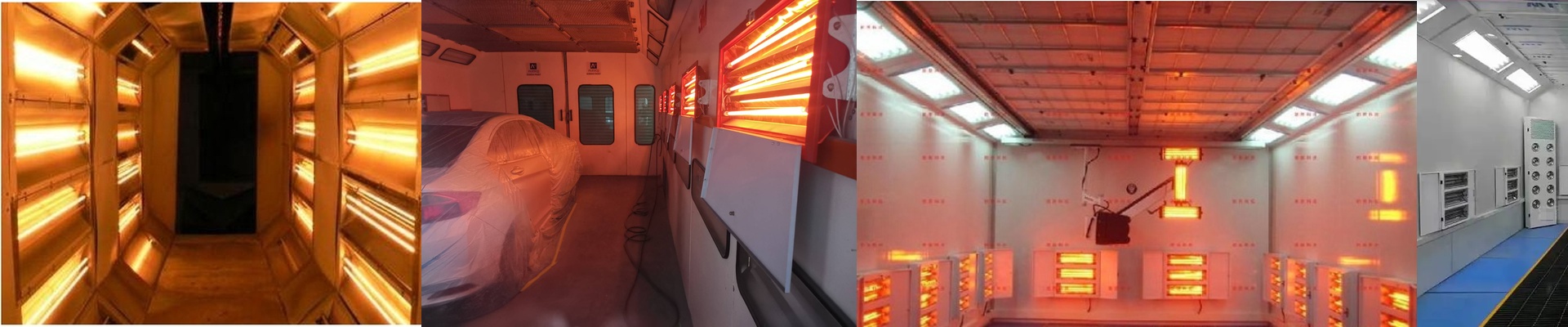
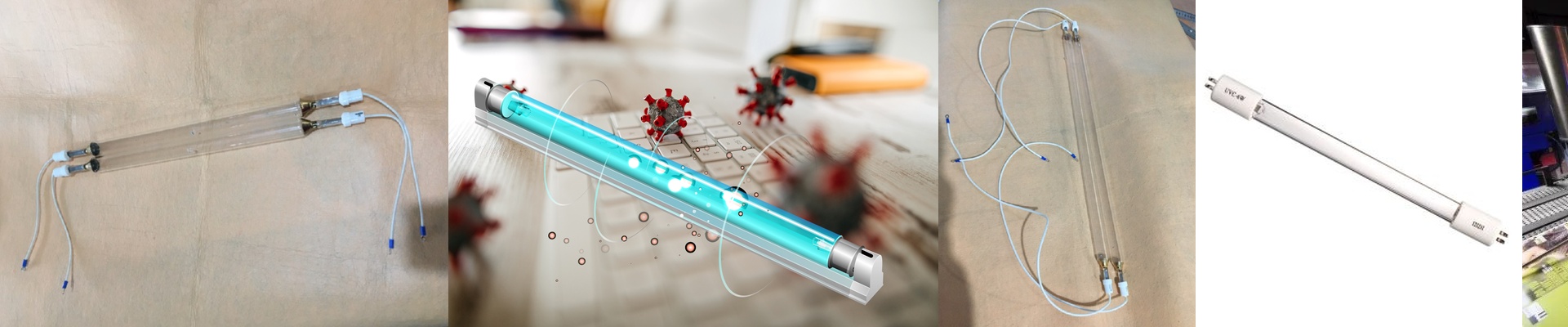
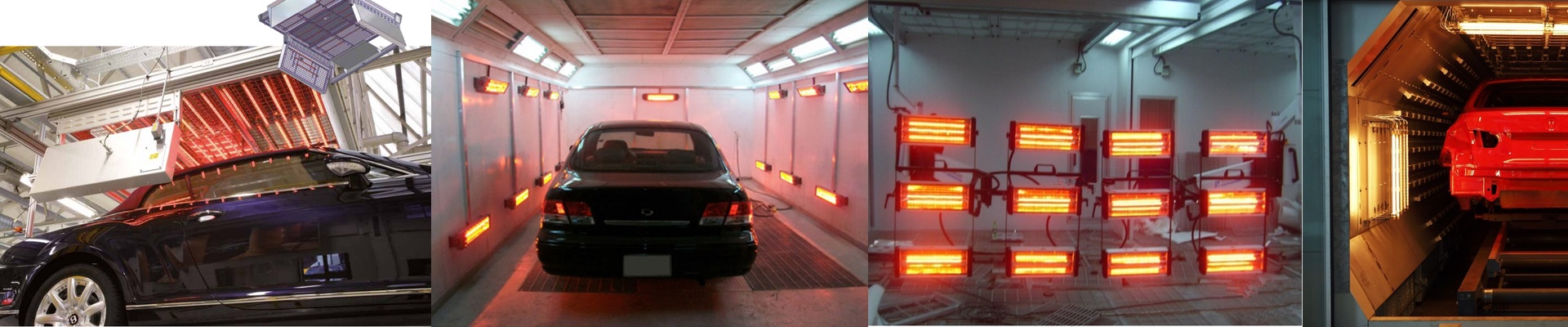
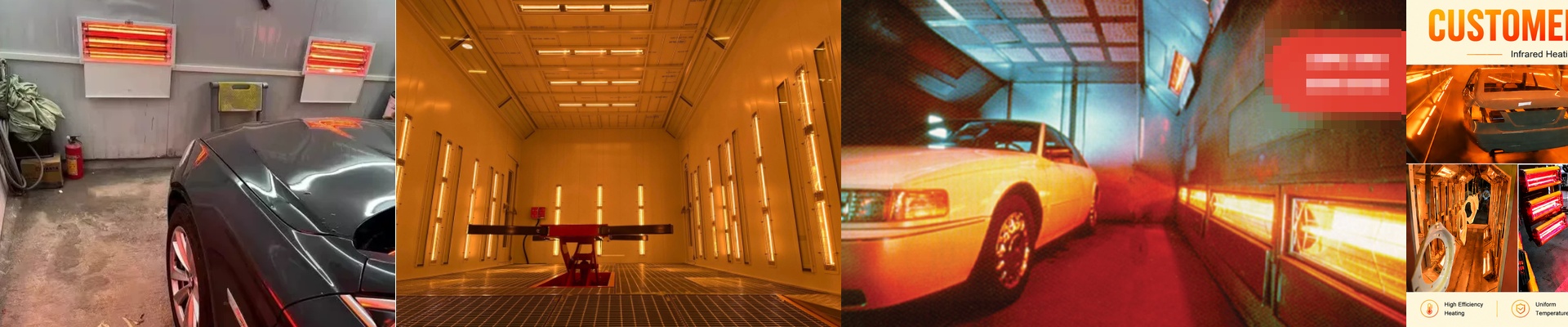
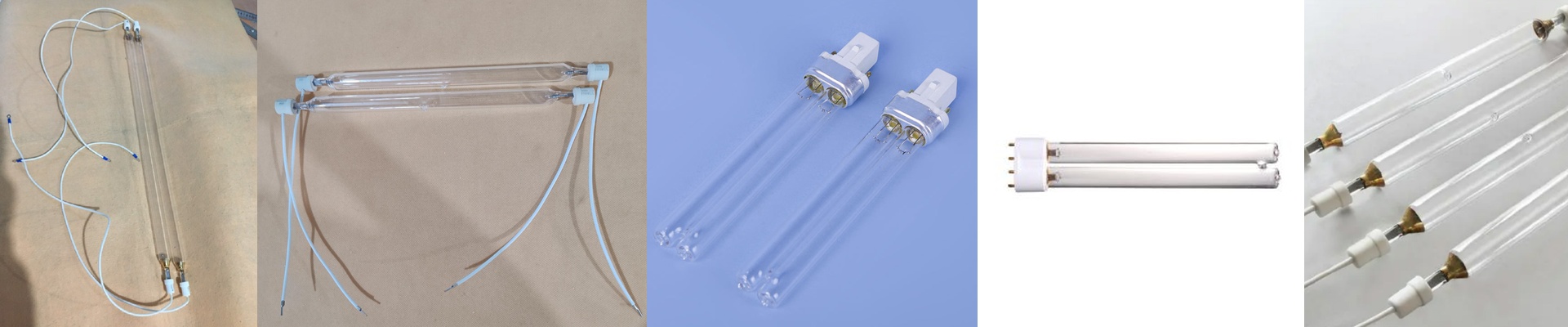
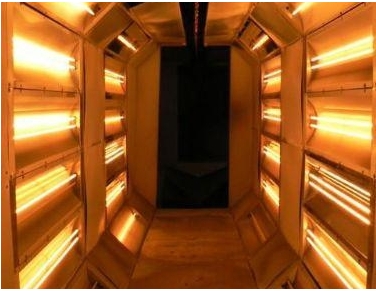
When we’re building heating walls for things like brake pads or paint booths, the real headache isn’t getting the heat—it’s getting it to land in the right spot. Think about it. You’ve got different vehicle models coming down the line, which means your parts are all over the place in terms of size. If you just slap your infrared lamps in a perfect, even grid, you’re asking for trouble. You’ll end up with cold spots on the big parts and scorched surfaces on the small ones. Nobody wants that. Dealing with the vertical layout We’ve stopped using “standard” grids. It just doesn’t work. Instead, we tweak the vertical spacing of the emitters to fit what you’re actually drying. For the shops running mixed batches, we group the lamps into zones that you can control independently. It’s a lifesaver. If you’re drying low-profile pads, you just kill the power to the top rows. You stop wasting electricity and, more importantly, you stop overheating your parts. Then there’s the “radiation cone” overlap. We tighten the gap between the tubes to create a wall of heat—like a thermal curtain. But you have to be careful. If you pack them too tight, you risk melting your mounting brackets. It’s a balancing act. The gear and the power draw We mostly lean on shortwave quartz lamps. They’re great because they hit the part instantly. You aren’t wasting time heating up all the air in the room; the heat goes straight into the material. We also use reinforced reflectors to push that heat forward so it doesn’t just soak into the wall itself. But here is the catch: power density. When you push 2000W or more through a small area, it’s a lot of heat, but it’s also a lot of stress on your electrical panels. I always tell people to spec their wiring for 125% of the total load. It’s a small extra cost that keeps you from smelling burnt wires during a peak cycle. The trade-off (because there’s always one) Here’s the thing: the more you customize the spacing to get a perfect dry, the harder the wall is to fix. A dense array of lamps means the wiring is tight. If a tube pops, your tech is going to be cursing while trying to find room to swap it out. To stop that from happening, we use slide-out trays. You just pull the whole lamp bank out, swap the part, and slide it back in. No need to tear the whole wall apart just to change a bulb.