How to Stop Brake Squeal with Short-Wave IR
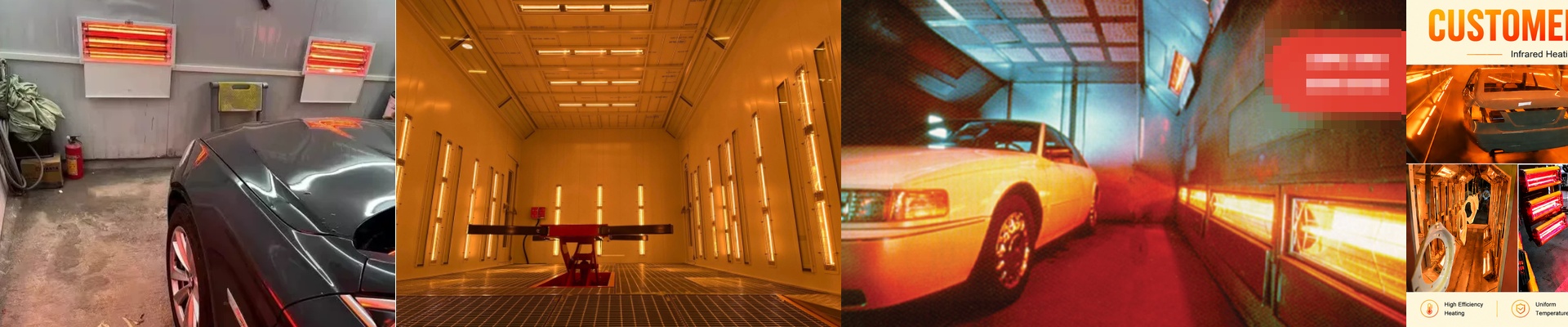
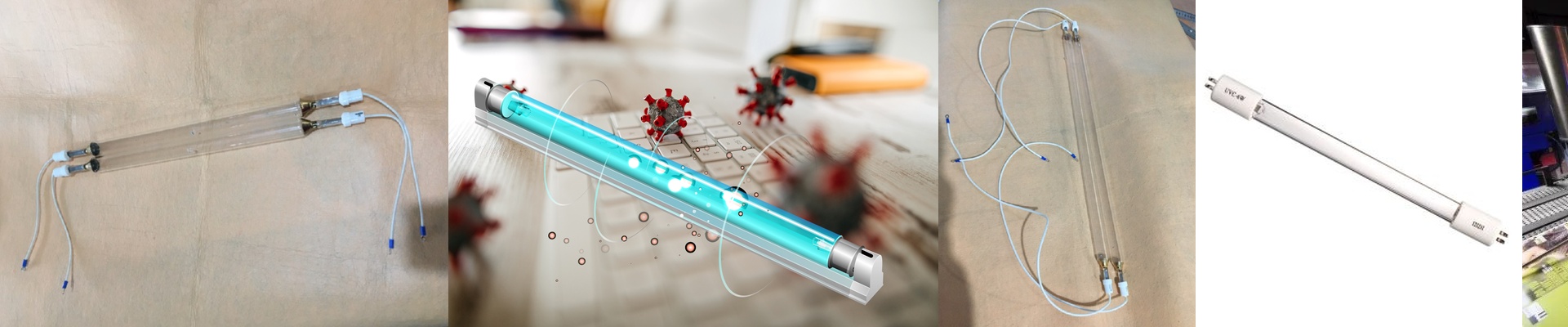
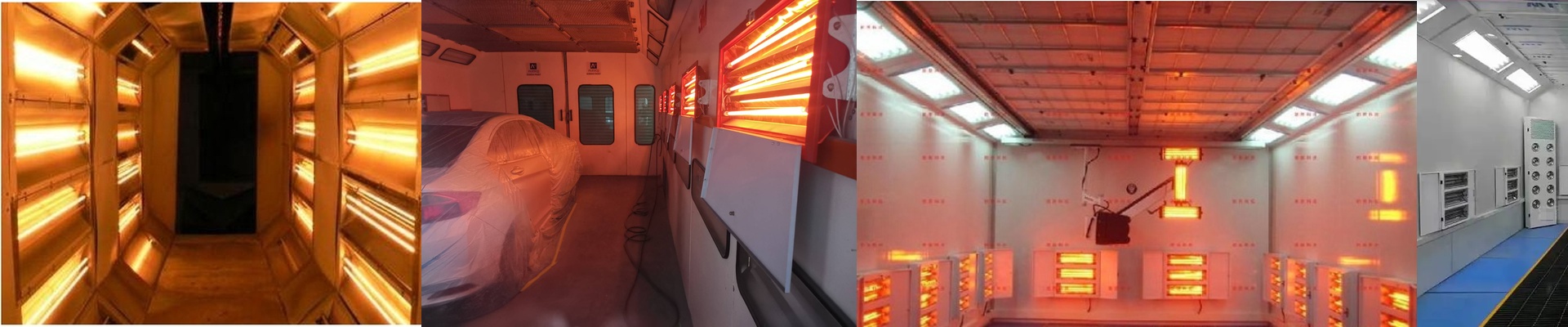
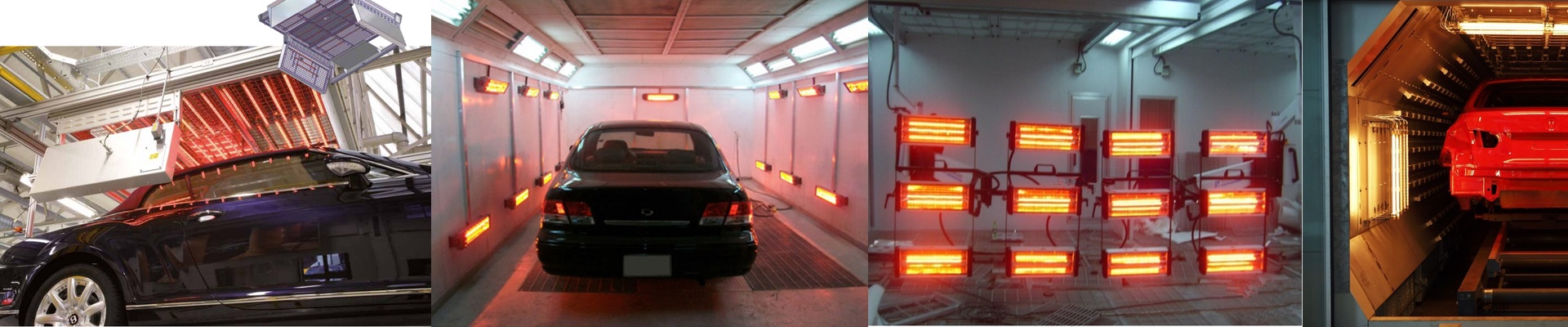
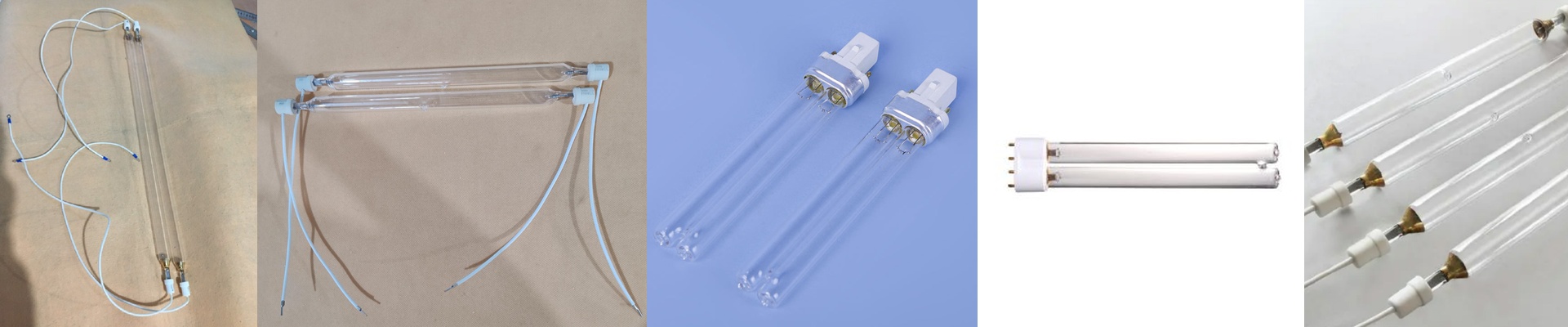
Ever wonder why some brake pads just won’t stop screaming? Usually, it comes down to how they were cured. If the outside of the friction material hardens too fast, the core stays soft. You end up with this weird gap in density and a bunch of internal stress. When you hit the brakes, that inconsistency turns into vibration. And vibration is exactly what you hear as that annoying high-pitched squeal. The problem with old-school ovens Most shops use convection ovens. They heat things from the outside in. It’s like trying to thaw a frozen steak in a hot pan—the edges burn before the middle even wakes up. We call it the “skin effect.” That’s where short-wave infrared (SWIR) comes in. Instead of waiting for heat to soak through, short-wave radiation just dives deep into the material. It doesn’t hang around the surface; it gets right into the molecules throughout the entire pad all at once. You get a steady, even temperature from the backing plate all the way to the top. Getting the tech right To make this work, we use high-watt density quartz lamps. These aren’t your average lightbulbs. They put out intense heat that specifically targets the resins in the brake pads. But you can’t just plug them in and hope for the best. You have to tune the wavelength. If it’s too long, you’re back to just heating the surface. Too short? The energy just bounces off. It’s a balancing act. You want the core to hit that magic curing temperature without scorching the outside. What happens on the shop floor Here is the best part: SWIR makes your cycle times plummet. You move parts through the line way faster. But a heads-up—these lamps put out a massive amount of heat. If your ventilation and cooling fans aren’t up to the task, your control electronics are going to fry. I always recommend wiring these into a precise PID controller. If the temperature spikes too high, the resin gets brittle. But if you nail the ramp-up rate, those density gaps disappear. No gaps, no vibration. No more squealing.