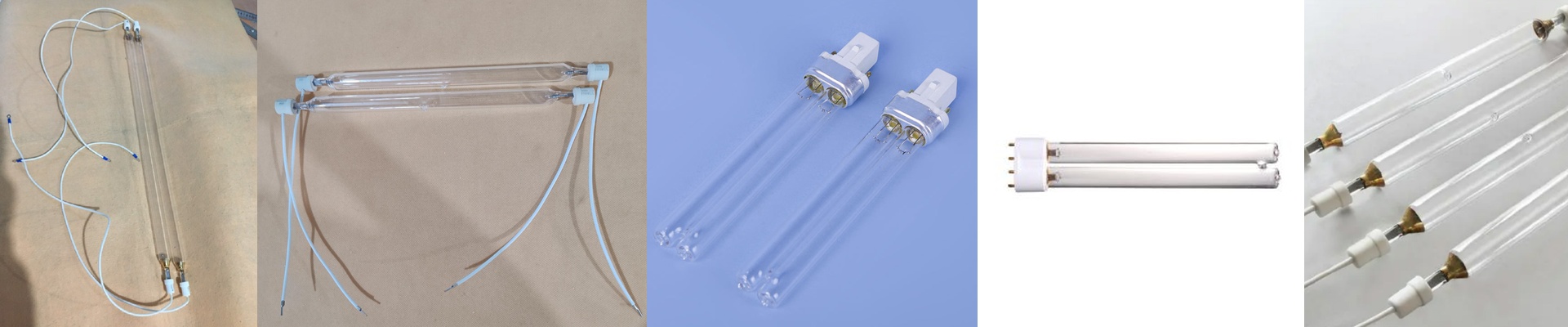
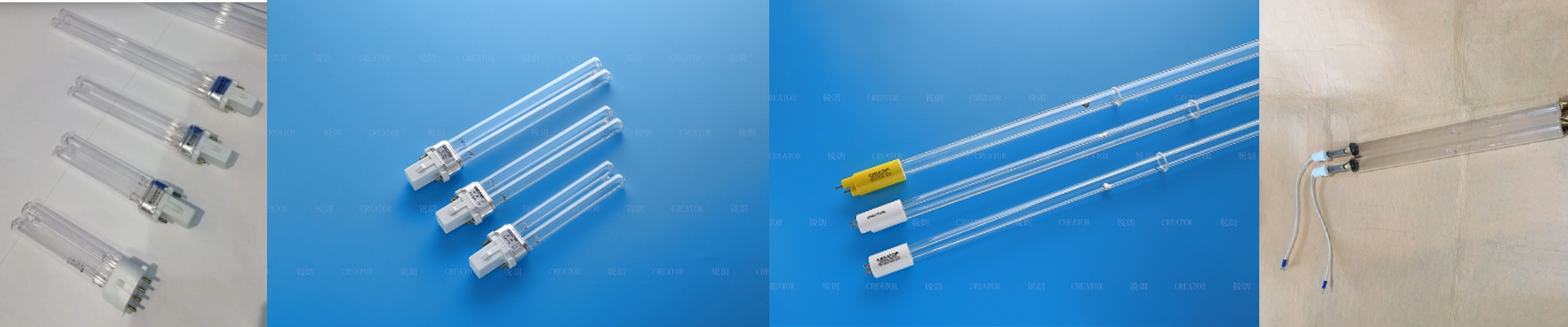
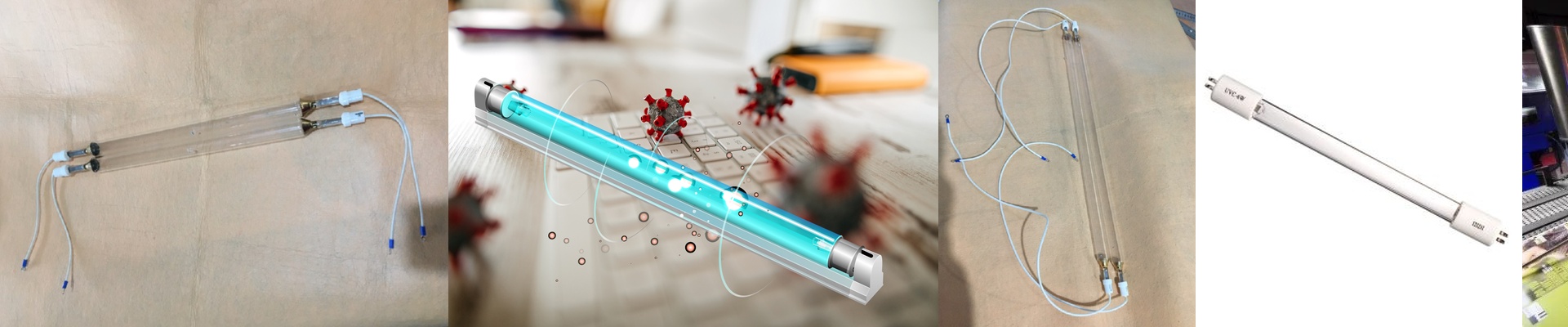
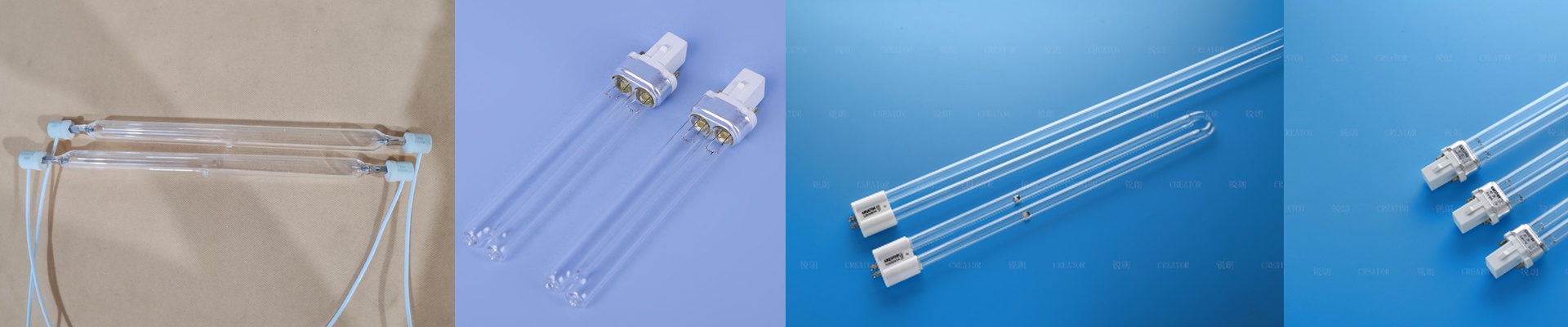
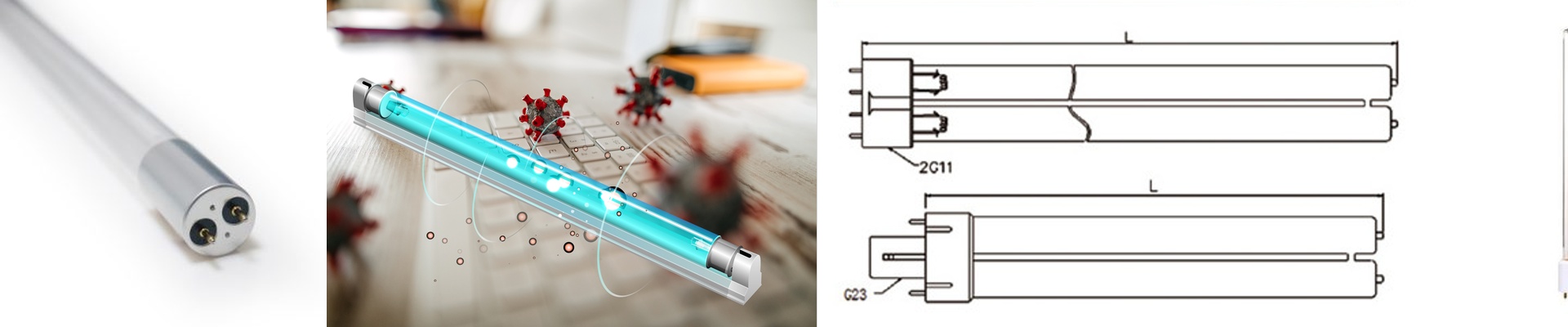
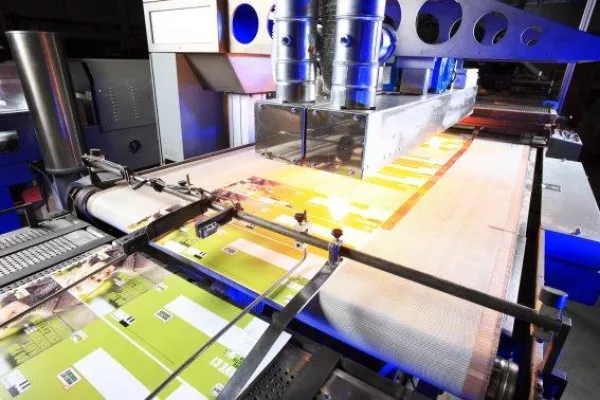
On the PCB line, the solder mask cure is where yield lives or dies. Fine traces and micro-vias need a UV cure that goes deep without cooking the substrate. If the spectrum is off or the output drifts, you end up with under-cured ink—adhesion fails, and bridging shows up on high-density boards. What matters under the hood We run a 3000W gallium iodide UV bulb, tuned for the 365nm band where solder mask photoinitiators absorb cleanly. The gallium iodide doping narrows the bandwidth and keeps excess IR in check, so board temperature stays manageable while peak irradiance stays high. At 3000W rated output, the lamp delivers the energy density needed for rapid cross-linking. Matched to a high-reflectivity dichroic reflector, you’re typically pushing past 800 mJ/cm² at the substrate plane. Run it within the specified voltage window, keep arc stability tight, and the spectrum holds steady over 2,000 hours—irradiance drops less than 8%. Why this works on the floor In solder mask curing, that 365nm peak lines up with the ink’s photoinitiator absorption, so cross-linking is uniform across dense features and tight clearances. The focused spectrum cuts down surface-only curing, which means you get through-cure without skinning. The payoff: fewer rejects, consistent pencil hardness, and solvent resistance that meets IPC test criteria. Multi-layer boards move faster, and you get stable adhesion on 50μm lines, all within the 3000W envelope and reflector efficiency. A few practical notes Match lamp orientation and focal distance to your printer’s reflector geometry. If it’s misaligned, irradiance at the board drops—and you’ll drive hot spots on the bulb. Make sure the ballast is compatible with gallium iodide ignition and current control; otherwise you’ll see spectral drift. For ozone-free operation, confirm the quartz envelope and reflector coating have the right cutoff rating. Plan replacements around 2,000–3,000 hours. That keeps spectral stability consistent and the cure profile the same shift after shift.
خط تولید PCB جایی است که فرایند پخت ماسک لحیم تعیینکننده بازده است. ردهای باریک و میکروویاسها نیاز به پخت UV دارند که عمقی باشد بدون اینکه بستر را دچار آسیب حرارتی کند. اگر طیف نور اشتباه باشد یا خروجی ناپایدار شود، جوهر بهطور کامل پخته نمیشود، چسبندگی از بین میرود و در بردهای با چگالی بالا پلزدگی ایجاد میشود.
آنچه در زیر پوشش اهمیت دارد
ما از لامپ UV گالیوم یدید 3000W استفاده میکنیم که برای باند 365nm تنظیم شده است؛ جایی که فوتوانیشییتورهای ماسک لحیم بهخوبی جذب میکنند. دوپینگ گالیوم یدید باعث باریکتر شدن پهنای باند و کنترل اشعه مادون قرمز اضافی میشود، بنابراین دمای برد قابل کنترل باقی میماند و همزمان شدت تابش اوج بالا حفظ میشود.
با خروجی اسمی 3000W، لامپ چگالی انرژی مورد نیاز برای پیوند متقاطع سریع را فراهم میکند. این لامپ با رفلکتور دایکروئیک با بازتابندگی بالا جفت شده که معمولاً بیش از 800 mJ/cm² در سطح بستر تولید میکند. در محدوده ولتاژ مشخص شده کار کنید، پایداری قوس را حفظ کنید و طیف نور در بیش از 2000 ساعت ثابت میماند—شدت تابش کمتر از 8% افت میکند.
چرا این روش در خط تولید موفق است
در پخت ماسک لحیم، قله 365nm با جذب فوتوانیشییتور جوهر همراستا است، بنابراین پیوند متقاطع در سراسر ویژگیهای دقیق و فاصلههای کم یکنواخت انجام میشود. طیف متمرکز باعث کاهش پخت سطحی میشود که به معنی پخت کامل بدون ایجاد پوسته است.
نتیجه: ردهای کمتر، سختی مدادی یکنواخت و مقاومت در برابر حلال که معیارهای آزمون IPC را برآورده میکند. بردهای چندلایه سریعتر حرکت میکنند و چسبندگی پایدار روی خطوط 50μm ایجاد میشود، همه اینها در محدوده 3000W و کارایی رفلکتور انجام میشود.
چند نکته عملی
جهتگیری لامپ و فاصله کانونی را با هندسه رفلکتور چاپگر خود هماهنگ کنید. در صورت عدم تراز، شدت تابش روی برد کاهش مییابد و نقاط داغ روی لامپ ایجاد میشود.
اطمینان حاصل کنید که بالاست با روشن شدن و کنترل جریان گالیوم یدید سازگار است؛ در غیر این صورت شاهد تغییر طیف خواهید بود. برای عملکرد بدون اوزون، مطمئن شوید که پوشش کوارتز و رفلکتور دارای درجه قطع مناسب هستند.
تعویضها را در بازه زمانی 2000 تا 3000 ساعت برنامهریزی کنید. این کار ثبات طیفی را حفظ کرده و پروفایل پخت را در هر شیفت یکسان نگه میدارد.